

 South Africa
Researchers call for shift in global sexual health to include local knowledge
Experts argue that sexual health interventions should move beyond exporting programs from the Global North to include community-led approaches and local traditions.
 Health Desk 2 min read
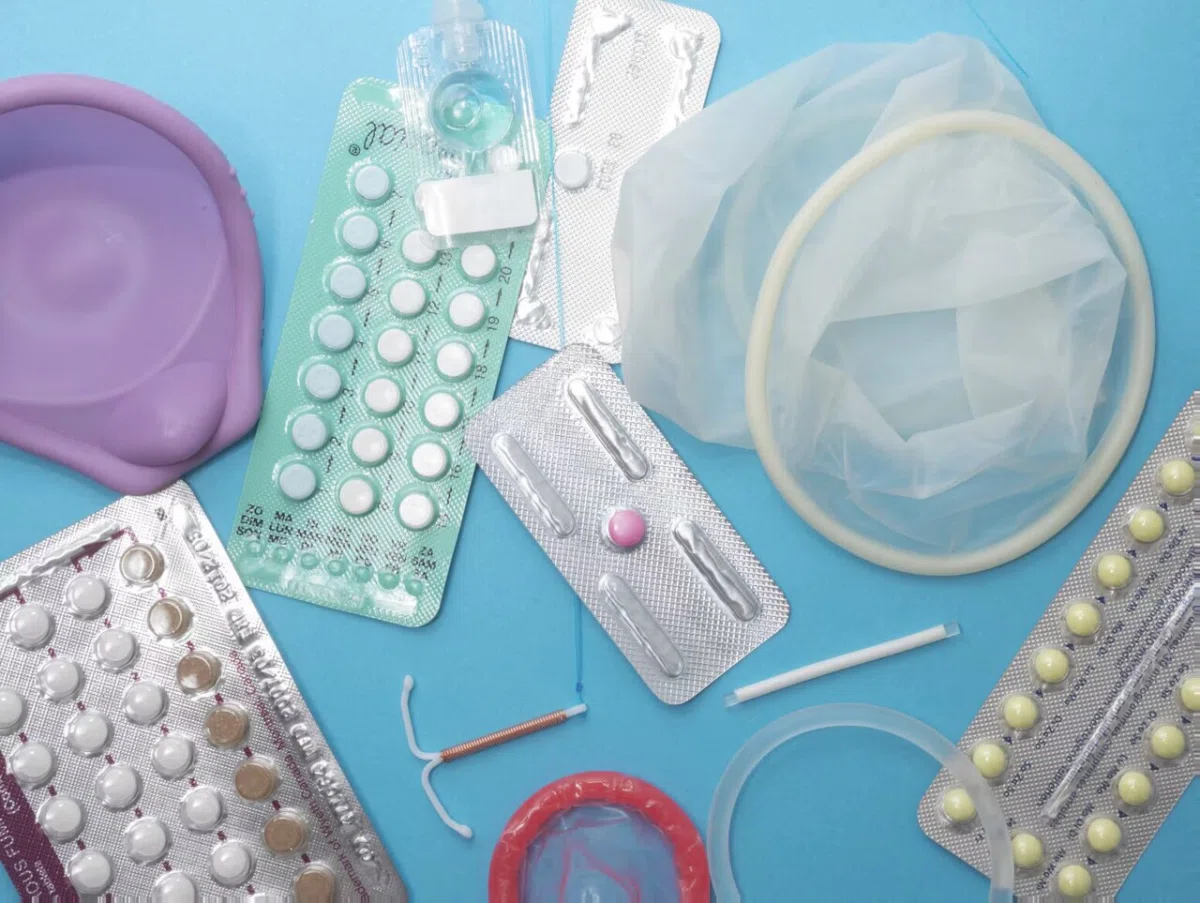
Global sexual health frameworks often rely on expertise and programs exported from the Global North to the Global South. Researchers, donors and international organisations have historically defined success and determined which questions matter most, such as how to increase contraceptive uptake or reduce maternal deaths.
Despite decades of investment, more than 1 billion people live with sexually transmitted infections worldwide, and over 374 million new cases of four major infections occur every year. Additionally, an estimated 225 million women who wish to avoid pregnancy are not using effective contraception.
Researchers from Columbia University argue that Global South communities are treated as places where interventions are delivered rather than where new ideas emerge. They suggest that current models often overlook pleasure, intimacy, bodily autonomy and well-being by focusing narrowly on metrics like HIV incidence.
Alternative ways of understanding health exist in various traditions. In Somalia, oral poetry can serve as a source of knowledge about bodies and well-being. Researcher Ngāhuia Murphy uses Māori cosmologies to describe menstruation and reproduction as sacred and life-giving, challenging colonial narratives.
Experts recommend that funders and practitioners work alongside communities to co-create approaches that value local knowledge and cultural traditions.
Key facts
- More than 1 billion people are living with sexually transmitted infections worldwide.
- An estimated 225 million women who wish to avoid pregnancy are not using effective contraception.
- In a review of 33 pleasure-inclusive interventions, 25 were conducted in the United States.
Three perspectives
Neutral
Global sexual health efforts have saved countless lives through programs to reduce HIV and expand contraceptive access.
Positive
There is a growing recognition that global sexual health requires more equitable collaboration and shared leadership.
Negative
Interventions designed primarily around externally defined priorities can miss what people actually need and may overlook sexual violence.
Your week in news, every Wednesday
The biggest stories of the week for your edition, in your inbox every Wednesday morning, your time. Free, and you can unsubscribe at any time.