

Muhammed Krubally serves as Gambia's first visually impaired magistrate
Magistrate Muhammed Krubally uses screen readers and smart glasses to preside over more than 1,000 cases since becoming the country's first visually impaired magistrate in 2016.
 Politics Desk 2 min read
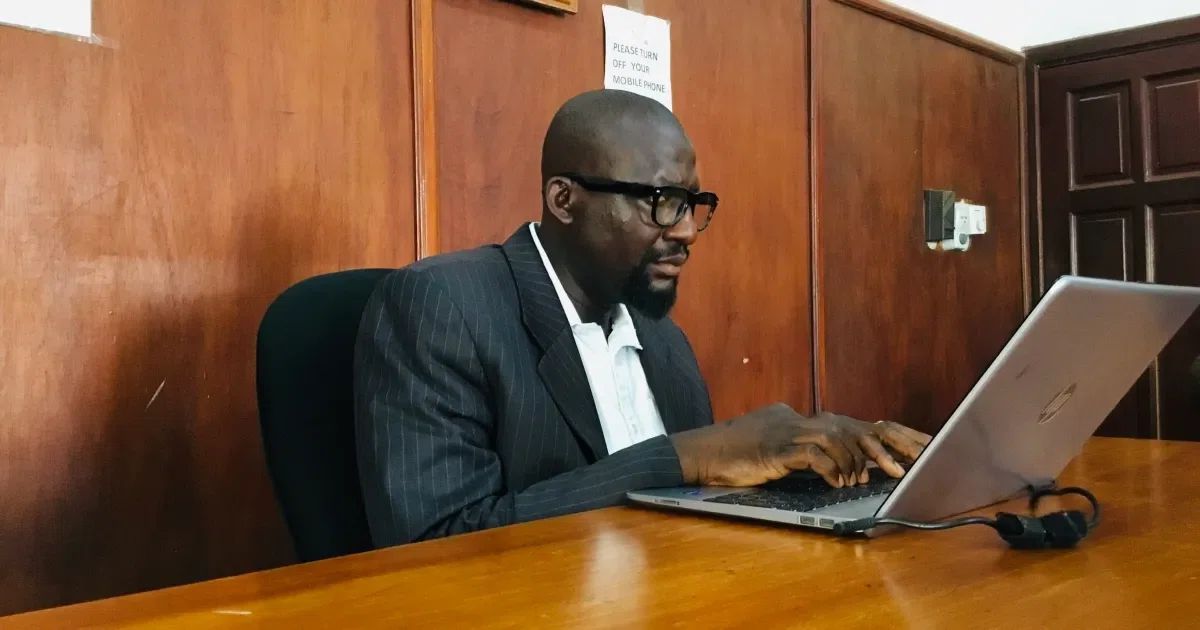
Muhammed Krubally has presided over more than 1,000 civil and criminal cases since joining the bench. In 2016, he became the Gambia's first visually impaired magistrate, a fact identified by the Gambia Organisation of the Visually Impaired.
At the Banjul Magistrates' Court, Krubally uses JAWS, a screen reader, to navigate his computer and read documents and judgements. He also uses AI-enabled smart glasses to access information and carry out tasks independently.
Krubally grew up in a village in the Gambia's Central River Region as the second of nine children. He entered the judiciary to change the system and make it inclusive, aiming to be a voice for people with disabilities.
Despite the 2021 Persons with Disabilities Act, barriers remain for people with disabilities in accessing services, education, and employment. Ndey Yassin Secka-Sallah, the country's only visually impaired parliamentarian, said she used to depend on colleagues to know what was being discussed in the National Assembly.
Lamin Colley, head of the GOVI Resource Centre for the Blind, said not much has changed since the disability act was passed. He attributed this to insufficient government funding for disability issues in the national budget.
Key facts
- Muhammed Krubally became the Gambia's first visually impaired magistrate in 2016.
- Krubally has presided over more than 1,000 civil and criminal cases.
- Ndey Yassin Secka-Sallah is the country's only visually impaired parliamentarian.
Three perspectives
Neutral
Muhammed Krubally uses assistive technology to preside over cases in the Banjul Magistrates' Court.
Positive
Krubally aims to use his position to make the system more inclusive for people with disabilities.
Negative
Lamin Colley stated that limited learning materials and insufficient government funding affect support for students with disabilities.
Your week in news, every Wednesday
The biggest stories of the week for your edition, in your inbox every Wednesday morning, your time. Free, and you can unsubscribe at any time.