 Australia
Study finds 35 per cent of suspected peanut allergy babies are actually tolerant
A landmark Australian study involving 1,800 children found that many babies diagnosed with peanut allergies could safely consume the allergen.
 Health Desk 2 min read
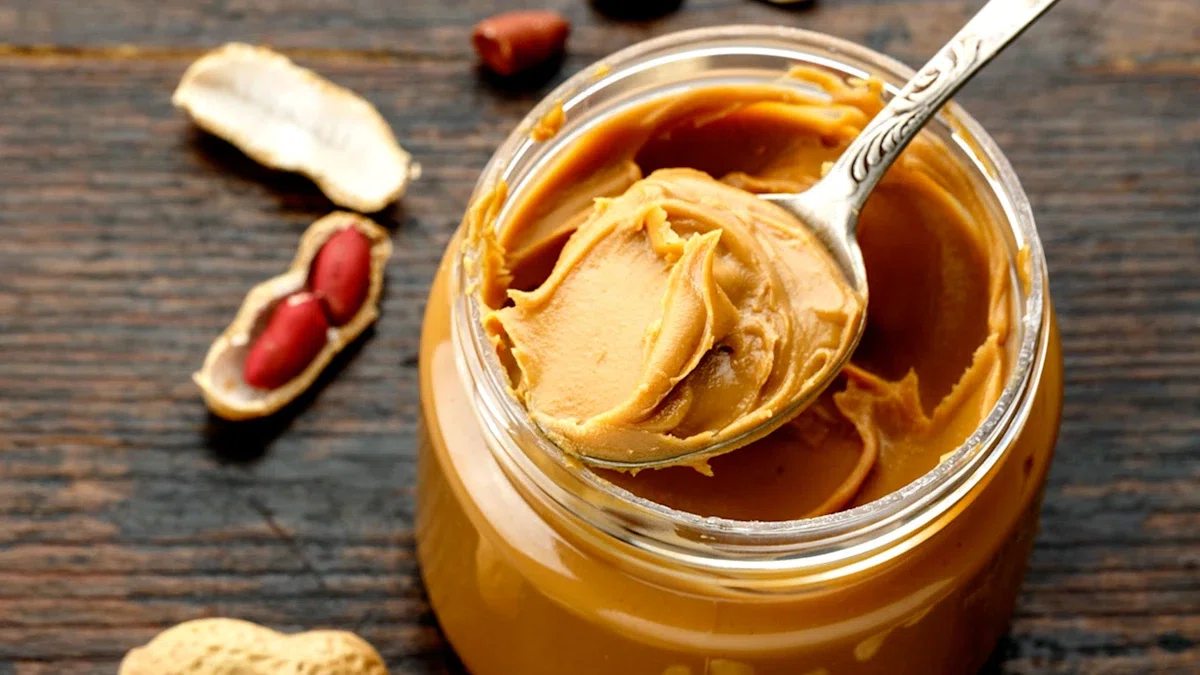
More than one in three babies thought to have a peanut allergy did not have the condition when tested later in life, according to a landmark Australian study. The study, conducted by the Murdoch Children’s Research Institute (MCRI) and the National Allergy Centre of Excellence (NACE), found that 35 per cent of babies who had recently reacted to peanut butter or tested positive through blood or skin prick tests could safely eat peanuts and showed no signs of an allergy.
The research tested 1,800 children with the help of 10 paediatric hospitals across Australia. As part of the study, 778 babies were exposed to increasing doses of peanut under doctor supervision to check for signs of an allergy. Of these babies, 271 showed no signs of any allergy and are now considered not to be allergic to peanuts.
Kirsten Perrett, MCRI Population Allergy Group leader and NACE director, said the results may change how peanut allergy diagnosis is managed in Australia. She said clinical history and allergy testing alone were not enough to accurately diagnose peanut allergy in many cases. Oral food challenges are not currently used routinely for every infant with suspected peanut allergy.
Australian Medical Association President Dr Michael Bonning said these babies would now be able to consume products with peanuts at an age-appropriate level. He said the trial re-challenges children to ascertain whether they have a peanut allergy or have become tolerant. Dr Bonning said Australia's high rate of peanut allergies reflects the cautious nature of parents and the medical system.
Dr Bonning said that in the medical profession, doctors want to make sure children are not put at risk and are often willing to label children with a peanut allergy if they have had a reaction. He stressed that it is important for parents to work closely with a GP or an allergist when working to confirm peanut allergy diagnoses.
Key facts
- One in 30 Australian children are diagnosed with a peanut allergy.
- 35 per cent of babies with suspected peanut allergies showed no allergic reaction during the study.
- The study involved 1,800 children and 10 paediatric hospitals across Australia.
Three perspectives
Neutral
The study found that 35 per cent of babies with suspected peanut allergies showed no signs of an allergy when tested with increasing doses of peanut.
Positive
The findings could change the way peanut allergies are diagnosed and allow some children to consume peanut products at an age-appropriate level.
Negative
Clinical history and allergy testing alone were not enough to accurately diagnose peanut allergy in many cases.
Your week in news, every Wednesday
The biggest stories of the week for your edition, in your inbox every Wednesday morning, your time. Free, and you can unsubscribe at any time.