 Uganda
US Sanctions ICC
The US has imposed sanctions on the International Criminal Court, threatening reparations for Northern Uganda war victims. The ICC has rejected the sanctions, calling them an assault on the rule of law.
 Global Newsflix 2 min read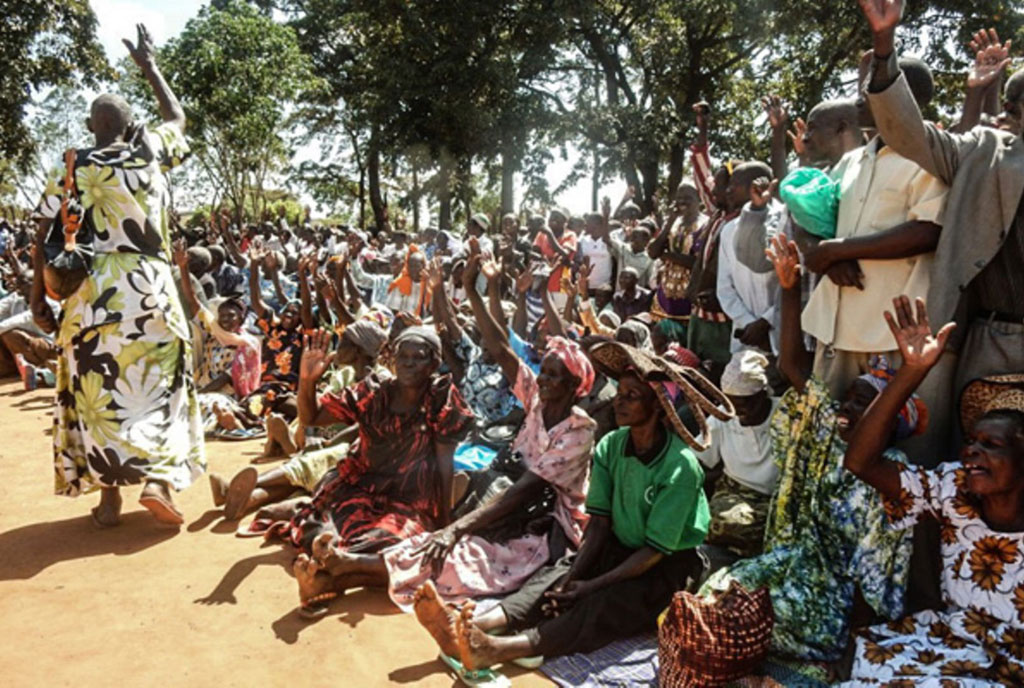
The United States has imposed sanctions on the International Criminal Court, a move that threatens to disrupt reparations for victims of war crimes in Northern Uganda. The sanctions target the court's operations, including its ability to deliver financial support to victims.
The Trust Fund for Victims, an independent body mandated to deliver reparations and rehabilitation to survivors of ICC-adjudicated crimes, has expressed deep concern over the sanctions. The fund warned that the financial freeze risks inflicting harm on vulnerable communities worldwide.
The ICC had ordered £52.4 million to be paid to direct and indirect victims of former LRA commander Dominic Ongwen, who was jailed for war crimes and crimes against humanity. The ruling designated a symbolic individual payment of £750 to each registered survivor alongside community rehabilitation programs.
The US sanctions prohibit financial institutions and service providers from conducting transactions with the ICC, putting the delivery of reparations in jeopardy. The ICC has rejected the sanctions, saying they are an attempt to obstruct the course of justice and prevent the court from doing its job.
ICC President Tomoko Akane said the court will continue to discharge its mandate with independence and impartiality. The court has called on states to take concrete actions to ensure the continuity of its activities.
The sanctions have been condemned by human rights advocates, who warn that they will have a devastating impact on victims of mass atrocities. The Trust Fund for Victims has reaffirmed its determination to mobilize resources and maintain its operations, calling on governments and corporations to step in.
The US Secretary of State, Marco Rubio, announced the sanctions, which represent a major escalation in the US administration's efforts to dismantle the court. The ICC has said it will not be deterred by the sanctions and will continue to work towards justice for victims of grave crimes.
Key facts
- The US has imposed sanctions on the International Criminal Court
- The sanctions threaten to disrupt reparations for Northern Uganda war victims
- The ICC has rejected the sanctions, calling them an assault on the rule of law
- The Trust Fund for Victims has expressed deep concern over the sanctions
Three perspectives
Neutral
The sanctions have sparked a diplomatic crisis, with the ICC and human rights advocates condemning the move. The US administration has vowed to continue its efforts to dismantle the court. The situation is being closely watched by the international community.
Positive
The ICC's determination to continue its work despite the sanctions is a testament to its commitment to justice. The Trust Fund for Victims' efforts to mobilize resources and maintain its operations are a positive step towards supporting victims of mass atrocities.
Negative
The sanctions will have a devastating impact on victims of mass atrocities, who rely on the ICC for justice and reparations. The US administration's efforts to dismantle the court are a blow to the international justice system.
Your week in news, every Wednesday
The biggest stories of the week for your edition, in your inbox every Wednesday morning, your time. Free, and you can unsubscribe at any time.