

 United States
Boston researchers analyze 189 colorectal cancer tumors to study young-onset cases
A study of more than 850,000 cells found differences in tumor composition and gene expression that may lead to tailored therapies for younger patients.
 Health Desk 2 min read
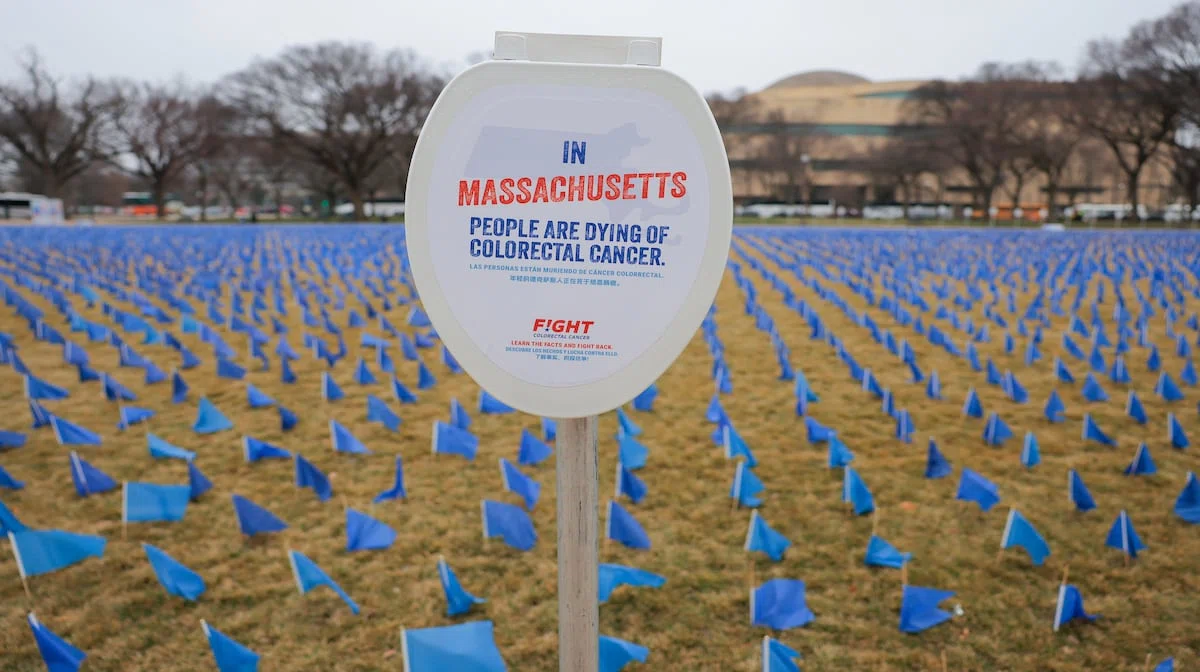
Researchers from Dana-Farber Cancer Institute, Mass General Brigham, and the Broad Institute published a study Thursday analyzing 189 colorectal cancer tumors. The analysis included patients ranging from their 20s to 90s, including 54 patients diagnosed before age 50. Scientists examined more than 850,000 cells to find potential insights into how the cancer might differ in younger people.
The study revealed that tumors in younger patients appeared to have a higher proportion of stromal cells, which are connective and supporting cells. Studies of other solid cancers have linked these stromal cells to chemotherapy resistance. Researchers also found differences in how genes are expressed in the tumors of younger people.
Dr. Kimmie Ng, a senior author and director of the Young-Onset Colorectal Cancer Center at Dana-Farber Cancer Institute, said the dataset is the largest to date for colorectal cancer and includes the highest number of young patients. She said the research serves as a guidepost for future research efforts.
In the United States, colorectal cancer is the leading cause of cancer death among people younger than 50. According to the American Cancer Society, rates of colorectal cancer in this age group rose nearly 3 percent each year from 2013 through 2022.
Ana Anderson, a senior author and core faculty member of the Gene Lay Institute of Immunology and Inflammation at Brigham and Women’s Hospital, said the disease has been a bit of a black box. She said the study provides a research direction and a path to find therapies specifically for young-onset colon cancer.
Dr. John Paul Shen, an associate professor at the University of Texas MD Anderson Cancer Center, said the large quantity of detailed data is hugely valuable for experiments in labs around the world. However, he and other experts noted the dataset is drawn from a limited number of people.
Key facts
- The study analyzed 189 tumors and more than 850,000 cells.
- Tumors in younger patients showed a higher proportion of stromal cells.
- Colorectal cancer rates in Americans under 50 rose nearly 3 percent annually from 2013 to 2022.
Three perspectives
Neutral
The study analyzed 189 colorectal cancer tumors from patients aged 20 to 90 to identify cellular differences.
Positive
The findings provide a research direction that could lead to tailored therapies for young-onset colon cancer.
Negative
Experts noted that while the cellular analysis is expansive, the dataset is drawn from a limited number of people.
Your week in news, every Wednesday
The biggest stories of the week for your edition, in your inbox every Wednesday morning, your time. Free, and you can unsubscribe at any time.