

Malawi plans museum to document Arab slave trade and British intervention
The government intends to build a museum and preserve sites to highlight the history of slavery in East and Central Africa.
 Politics Desk 2 min read
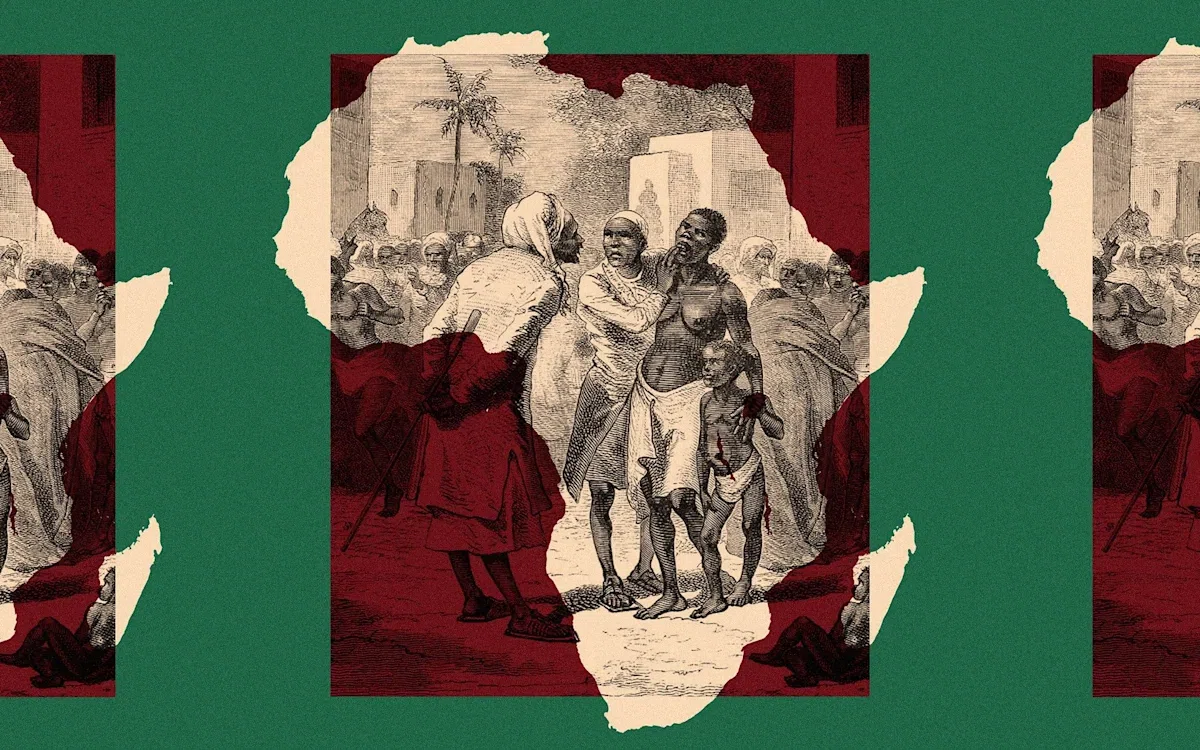
The Malawi government is overseeing plans to build a museum dedicated to slavery and preserve mosques and markets linked to the trade. The country aims to have these sites inscribed as World Heritage sites to send an international message about this neglected chapter of history.
Through its department of museums, Malawi will also conserve ruined forts built by colonial forces to protect Africans from marauding slavers.
Dr Oris Malijani, the project leader, said the plans would help correct misperceptions because slavery in East and Central Africa is almost forgotten and not discussed. The trade was once rife in Nkhotakota, where vessels sailed to the Lake Malawi outpost from the 1840s until around five generations ago in search of human cargo.
African slaves were seized by hunting parties, gathered in stockades by the shore, and dispatched by the sultanates of Arabia. According to the Institute of Commonwealth Studies, around 11 million people were transported from the African interior to the Arab world from around 800 to 1900.
British forces intervened to curb the eastward trade on the urging of David Livingstone and subsequent missionaries. After Britain declared a protectorate in 1891, Harry Johnston used troops and gunboats to dismantle slaving networks, including the defeat of the self-declared Sultan Mlozi in 1895.
Key facts
- Malawi plans to build a slavery museum and preserve mosques and markets as World Heritage sites.
- Around 11 million people were transported from the African interior to the Arab world between 800 and 1900.
- The British declared a protectorate in 1891 and used troops to dismantle slaving networks.
Three perspectives
Neutral
Malawi is planning to build a museum and preserve historical sites to document the history of the Arab slave trade and British colonial intervention.
Positive
The government project aims to preserve historical monuments and correct misperceptions about the history of slavery in East and Central Africa.
Negative
The Arab-led Saharan and Indian Ocean slave trades have been largely absent from postcolonial demands for apologies and financial reparations.
Your week in news, every Wednesday
The biggest stories of the week for your edition, in your inbox every Wednesday morning, your time. Free, and you can unsubscribe at any time.