

EU unveils Digital Fairness Act to crack down on influencer marketing
The new rules would allow the bloc to fine companies up to 6 percent of annual turnover in large-scale cases.
 Celebrity Desk 2 min read
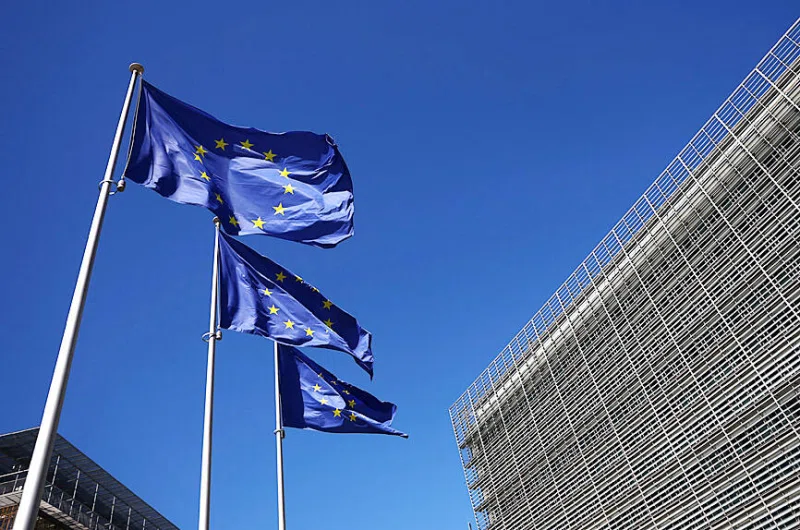
The EU yesterday unveiled new rules to crack down on influencer marketing, ban online features that trick Europeans and force platforms to give users the right to turn off “addictive” features. The bloc’s executive unveiled an update of consumer rules dubbed the “Digital Fairness Act” that would give it the power to slap fines on companies of up to 6 percent of their annual turnover in large-scale cases.
The proposal includes a ban on “dark patterns,” which is the practice of tricking users into making unwanted purchases or opting in to certain settings without their knowledge. It will ban offering minors “pay-to-win” or “pay-to-progress” features and require in-game virtual currencies to show their real-world value.
Platforms would be obliged to remind consumers when a free trial period ends with details about the end date and how much it would cost to continue. They would also be obliged to provide users with access to human customer service operators when users demand it. Additionally, the EU wants users to know the full price of an order before checkout, banning “drip pricing” where fees are hidden until the end.
Agustin Reyna, the European Consumer Organization legal and economic affairs director, said the proposal is a “much-needed tool to give consumers back control of how much time and money they spend online.”
The group also said there were “significant holes” in the draft plans, noting firms could still pay influencers to promote risky investments.
Key facts
- The Digital Fairness Act would allow fines of up to 6 percent of a company's annual turnover.
- The proposal includes a ban on dark patterns and pay-to-win features for minors.
Three perspectives
Neutral
The EU unveiled the Digital Fairness Act to update consumer rules and address gaps in digital practices.
Positive
The proposal aims to make a safer online space for everyone and give consumers back control of how much time and money they spend online.
Negative
Finance Watch stated the proposal lacks ambition to protect consumers in financial services and noted firms could still pay influencers to promote risky investments.
Your week in news, every Wednesday
The biggest stories of the week for your edition, in your inbox every Wednesday morning, your time. Free, and you can unsubscribe at any time.