

Democrats debate restoring congressional authority over tariffs
Following a congressional victory, lawmakers discuss reining in presidential tariff power and setting trade objectives.
 World Desk 2 min read
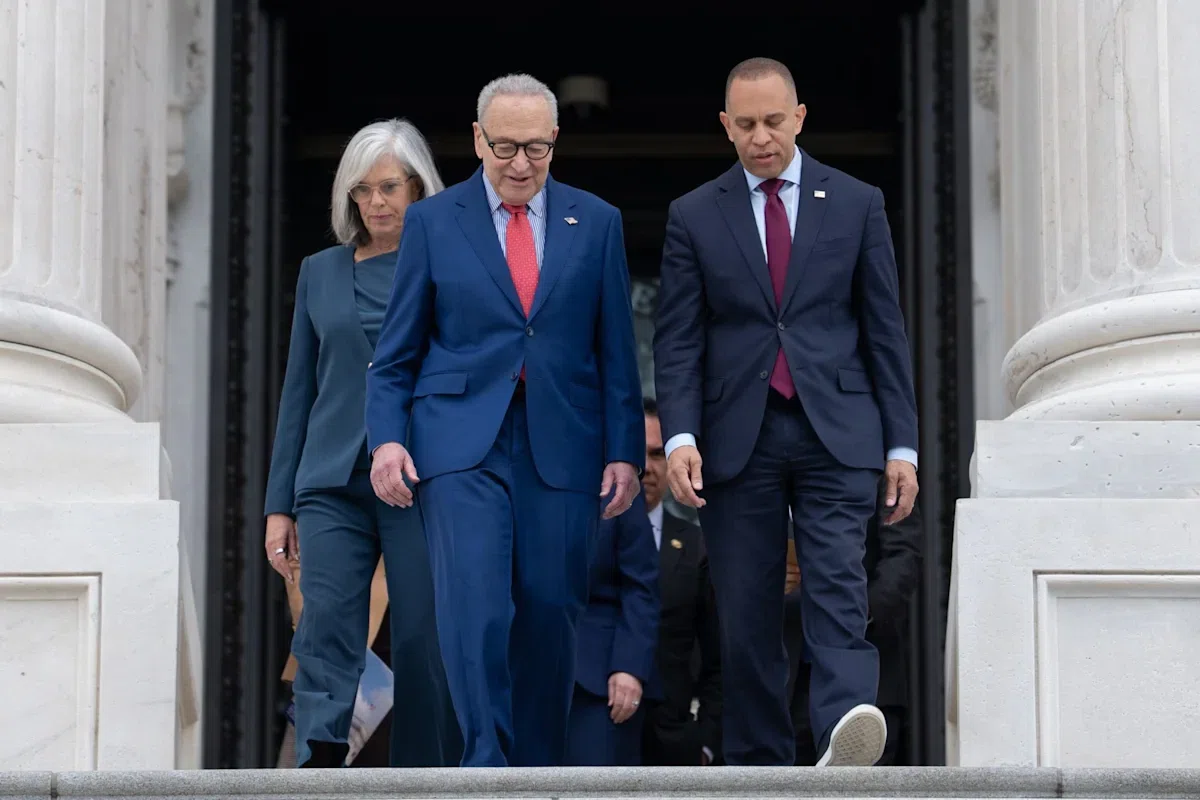
Democrats are debating whether and how to restore congressional authority over tariffs days after winning Congress. Some members of the party are focusing on reining in sweeping tariffs on allies like Canada, while others hope a 2029 Democratic President might direct expansive tariffs toward progressive priorities such as raising labor standards.
The debate involves whether to take tariff power back from the president or to focus on Congress's role in setting trade objectives. Both the Trump and Biden administrations pursued similar trade policies that relied on decades-old tariff statutes, which alienated allies and raised consumer prices.
In Cambodia, while the United States and the European Union considered withdrawing trade benefits in 2019 over worker-rights violations, China pledged $588 million in aid.
The Agreement on Reciprocal Trade between the United States and Cambodia, negotiated in months in 2025, committed Cambodia to protect internationally recognized labor rights, including freedom of association and prohibitions against forced labor. However, the International Labor Organization recently found that Cambodia still violates those standards.
A new Democratic majority could focus on reviving deliberative processes in trade policy. This includes requiring transparent, participatory consultations at home and requiring trade partners to consult their businesses and workers before agreeing to labor and environmental commitments.
Key facts
- Democrats are debating how to restore congressional authority over tariffs.
- The International Labor Organization recently found that Cambodia violates internationally recognized labor rights standards.
Three perspectives
Neutral
Democrats are debating whether to restore congressional authority over tariffs and how to direct trade policy.
Positive
A new Democratic majority could revive deliberative processes and require participatory consultations for trade policy.
Negative
Both the Trump and Biden administrations used unilateral trade policies that alienated allies and raised consumer prices.
Your week in news, every Wednesday
The biggest stories of the week for your edition, in your inbox every Wednesday morning, your time. Free, and you can unsubscribe at any time.