

Nurses overlooked in One Health movement, new paper says
Nurses are already practicing One Health principles but lack representation in governance and decision-making, according to a study in CABI One Health.
 Health Desk 2 min read
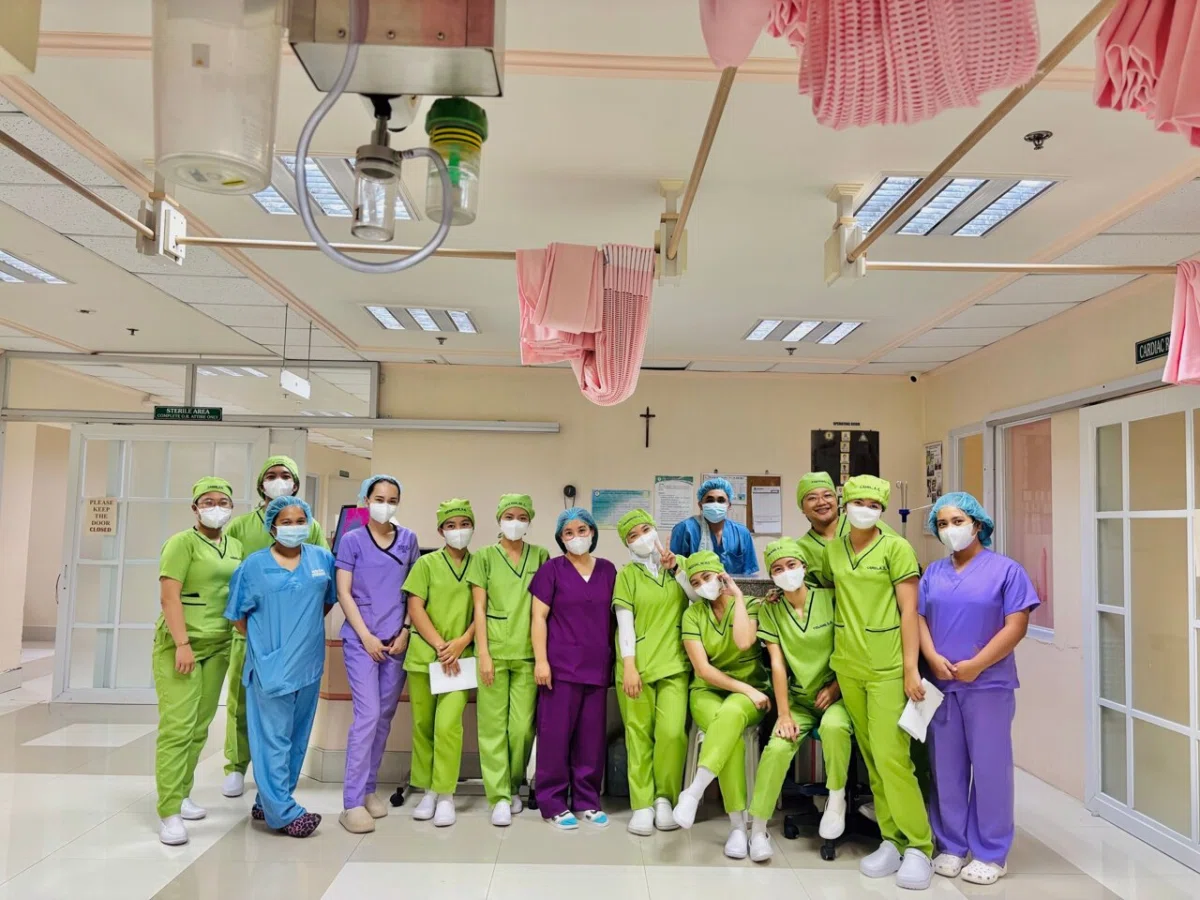
Nurses are one of the most important parts of the health care workforce, yet their contribution is overlooked in the growing One Health movement. This movement seeks to connect human, animal, and environmental health.
Nurses work across clinical care, community and environmental health, infection prevention, and emergency response. They are skilled frontline first responders central to screening, patient monitoring, education, communication, and community engagement during outbreaks. Their capabilities place them at the center of pandemic preparedness, detection, and response, including surveillance, reporting, and case management.
Lead author Paulo Ferrinho, a professor at Universidade Nova de Lisboa in Portugal, said nurses contribute to One Health in many settings, but their contributions often remain invisible. This lack of recognition limits their participation in governance, education, and strategic decision-making. Nurses remain underrepresented in modern One Health governance and need meaningful representation in local and global decision-making alongside medicine, veterinary science, environmental health, and public health.
The risks to nurses are significant. During the 2014–2016 Ebola outbreak in West Africa, more than 28,600 people were infected and 11,325 died. A WHO analysis identified 815 confirmed and probable Ebola infections among health workers in Guinea, Liberia, and Sierra Leone by March 2015; of those whose outcome was known, two-thirds died.
The authors call for One Health to become a more explicit part of nursing education, including training in zoonotic disease, environmental health, antimicrobial resistance, climate-related health risks, and systems thinking. Strengthening the role of nurses should include appropriate education, authority, resources, remuneration, and protected time.
Key facts
- Nurses are underrepresented in One Health governance despite their roles in pandemic preparedness and response.
- During the 2014–2016 Ebola outbreak, two-thirds of health workers in Guinea, Liberia, and Sierra Leone with known outcomes died.
- Authors suggest nursing education should include training in zoonotic disease and antimicrobial resistance.
Three perspectives
Neutral
Nurses work across clinical care, community, and environmental health but are often not explicitly recognized as part of the One Health movement.
Positive
Giving nurses a more visible role as educators and leaders contributing to policy could strengthen global health systems.
Negative
Failing to recognize and empower nurses will leave health systems less prepared and less resilient during the next outbreak.
Your week in news, every Wednesday
The biggest stories of the week for your edition, in your inbox every Wednesday morning, your time. Free, and you can unsubscribe at any time.