 United States
USDA proposes SNAP rule that could cut 6 million people from food aid
The Trump administration proposal would restrict categorical eligibility, potentially reducing public enrollment in the program by 17 percent.
 Politics Desk 3 min read
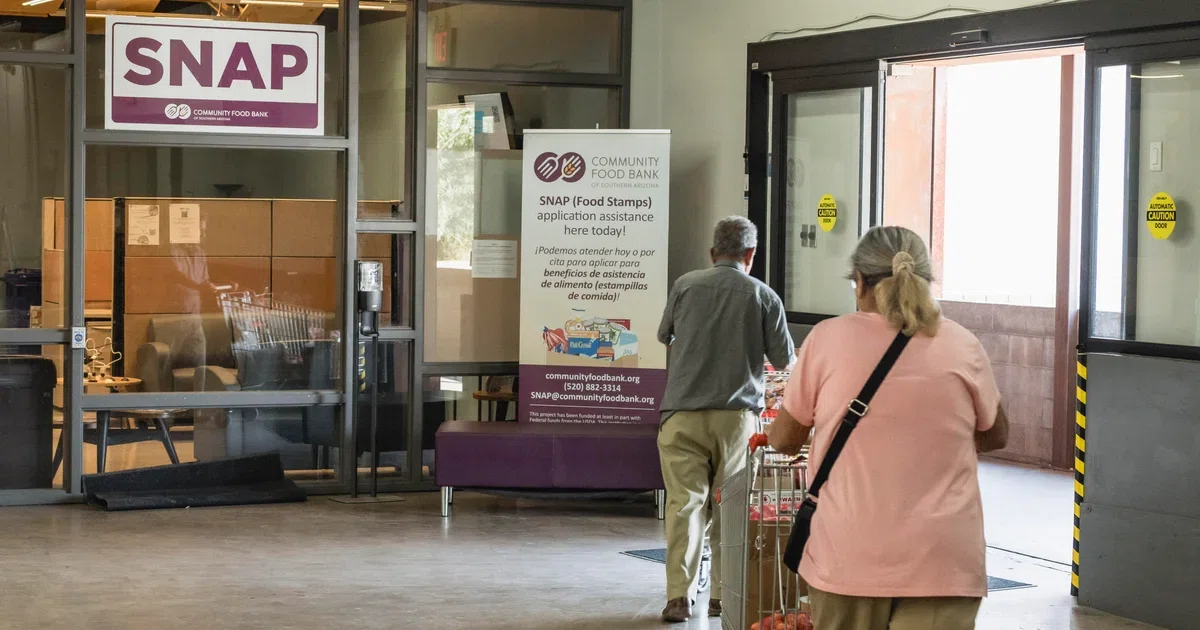
The U.S. Department of Agriculture introduced a proposal on Tuesday to tighten eligibility requirements for the Supplemental Nutrition Assistance Program (SNAP). The Agriculture Department projects that if adopted, the rule would reduce public enrollment in the program by roughly 17 percent. The USDA estimates that 6.3 million people would lose access to SNAP in 2029, the year the proposal would take effect.
The proposed rule would restrict broad-based categorical eligibility, a policy used by more than 40 states. This policy allows households to qualify for food stamps if they receive benefits through Temporary Assistance for Needy Families (TANF), even if they are outside normal SNAP income thresholds. Under the new rule, households above SNAP income thresholds would not qualify for food stamps if they receive non-cash TANF benefits, such as job training or childcare assistance.
White House spokeswoman Allison Schuster said the Trump administration wants to ensure SNAP serves only eligible Americans who need it most. She said the administration will continue to stop fraudsters from stealing from these programs and take cost-saving steps to make life more affordable. A USDA spokesperson said the current standards mean households with $1 million in wealth but no income could technically receive food stamps. The spokesperson added that correcting this loophole is long overdue.
Anti-hunger advocates and some lawmakers criticized the proposal. Rep. Angie Craig, a Democrat from Minnesota and ranking member of the House Agriculture Committee, called the proposal heartless and cruel. Ty Jones Cox, vice president for food assistance at the Center on Budget and Policy Priorities, said the administration is continuing attacks on vital food assistance. Gina Plata-Nino, SNAP director for the Food Research and Action Center, said the administration is continuing a path of making sure SNAP is dismantled.
The USDA said the rule would also impact access to other federal assistance programs. Nearly 1.8 million children would lose access to free school lunches, while 5,500 low-income women would lose access to supplemental food aid for women and children. The Center on Budget and Policy Priorities said the rule would cut off SNAP benefits for people with a gross household income just above 130% of the poverty line, or about $35,500 per year for a family of three.
Key facts
- The USDA estimates 6.3 million people would lose access to SNAP in 2029 if the rule is adopted.
- The proposal would restrict broad-based categorical eligibility for households receiving non-cash TANF benefits.
- The Agriculture Department projects the rule would reduce public enrollment in SNAP by roughly 17 percent.
Three perspectives
Neutral
The USDA proposed a rule to change how TANF benefits affect SNAP eligibility to prevent households with high assets from accessing the program.
Positive
The Trump administration stated the proposal aims to ensure SNAP serves only eligible Americans who need it most and to stop fraudsters from stealing from the program.
Negative
Critics say the rule would cut off more than 6 million people from food aid and increase food insecurity.
Your week in news, every Wednesday
The biggest stories of the week for your edition, in your inbox every Wednesday morning, your time. Free, and you can unsubscribe at any time.