

Fijians turn to solar power as energy costs and fuel prices rise
Residents in Rukurukulevu village are adopting solar panels to reduce dependence on the national grid amid high electricity bills and global energy pressures.
 Climate Desk 2 min read
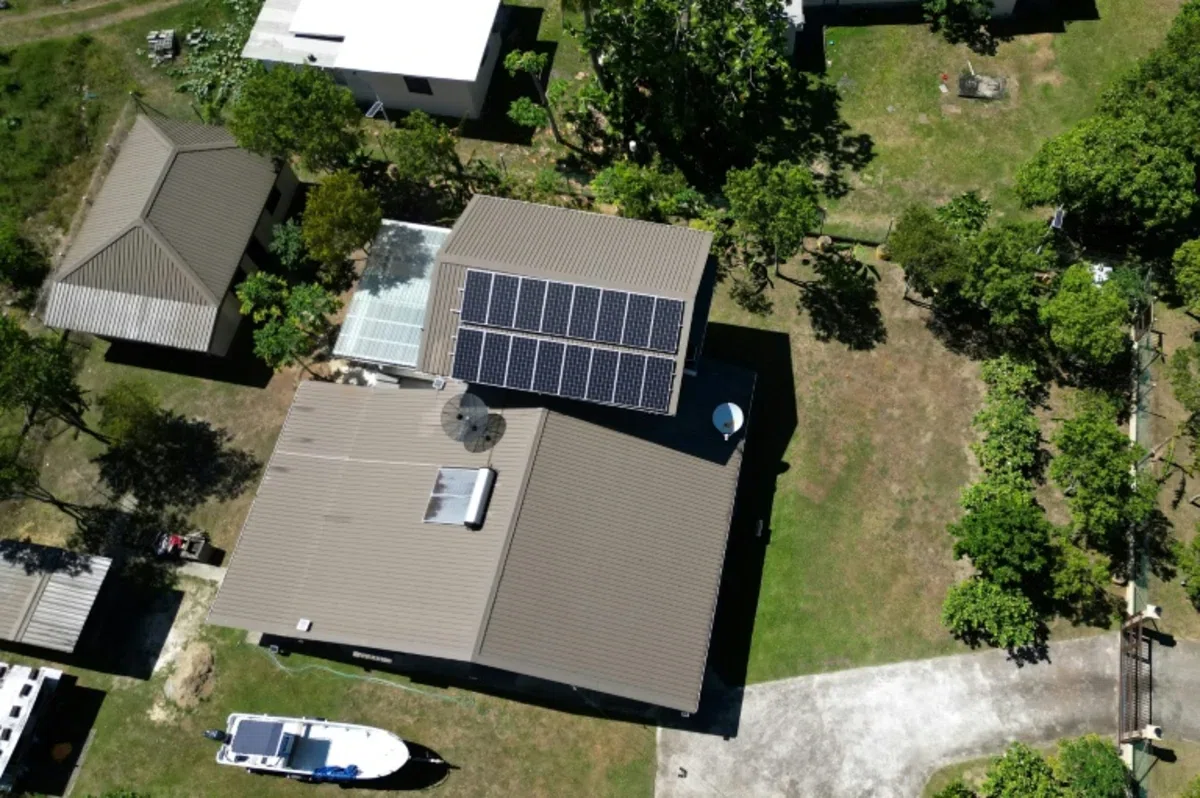
Residents in Rukurukulevu village are turning to solar power to move away from dependence on the national grid as fuel prices rise. Some houses in the village pay over FJ$100 per month for electricity, while the church, community halls, and the minister's house pay between FJ$200 and nearly FJ$300 a month.
Village spokesman Vereniki Nalio said he pays about FJ$60 per month for electricity, which he described as very, very high. Nalio said the global energy squeeze led villagers to consider switching to renewables after fuel shipments from the Gulf slowed following attacks by the United States and Israel on Iran in February.
A basic solar power system costs around FJ$3,000, which is a higher up-front cost but an increasingly reasonable price for theoretically unlimited, free electricity. The village hopes to install solar panels on communal buildings to reduce the shared cost of powering them.
Government minister Ro Filipe Tuisawau blamed rising energy prices on an overreliance on fossil fuels and El Nino. Tuisawau said Fiji spends as much as 12 percent of its GDP on importing fossil fuels, which is a huge drain on resources.
The strong El Nino phenomenon has brought weather patterns that are drying up Fiji's hydroelectric dams.
Fiji is aiming for 90 percent renewable energy generation by 2035. The government plans to spend FJ$2 billion on solar and hydropower development over the next decade, including FJ$460 million in solar farms over the next four years.
Key facts
- Fiji aims to reach 90 percent renewable energy generation by 2035.
- The government plans to spend FJ$2 billion on solar and hydropower development in the next decade.
Three perspectives
Neutral
Fijians are increasingly using solar panels to manage high electricity costs and energy instability.
Positive
The government plans to invest FJ$2 billion in solar and hydropower development to reach 90 percent renewable energy by 2035.
Negative
Rising energy prices and El Nino-driven droughts could lead to water and power rationing within four weeks.
Your week in news, every Wednesday
The biggest stories of the week for your edition, in your inbox every Wednesday morning, your time. Free, and you can unsubscribe at any time.