ASEAN loses control over Myanmar diplomatic process as powers court junta
Min Aung Hlaing has conducted high-profile visits to neighbouring states while the regional bloc's consensus-based position faces irrelevance.
 Politics Desk 3 min read
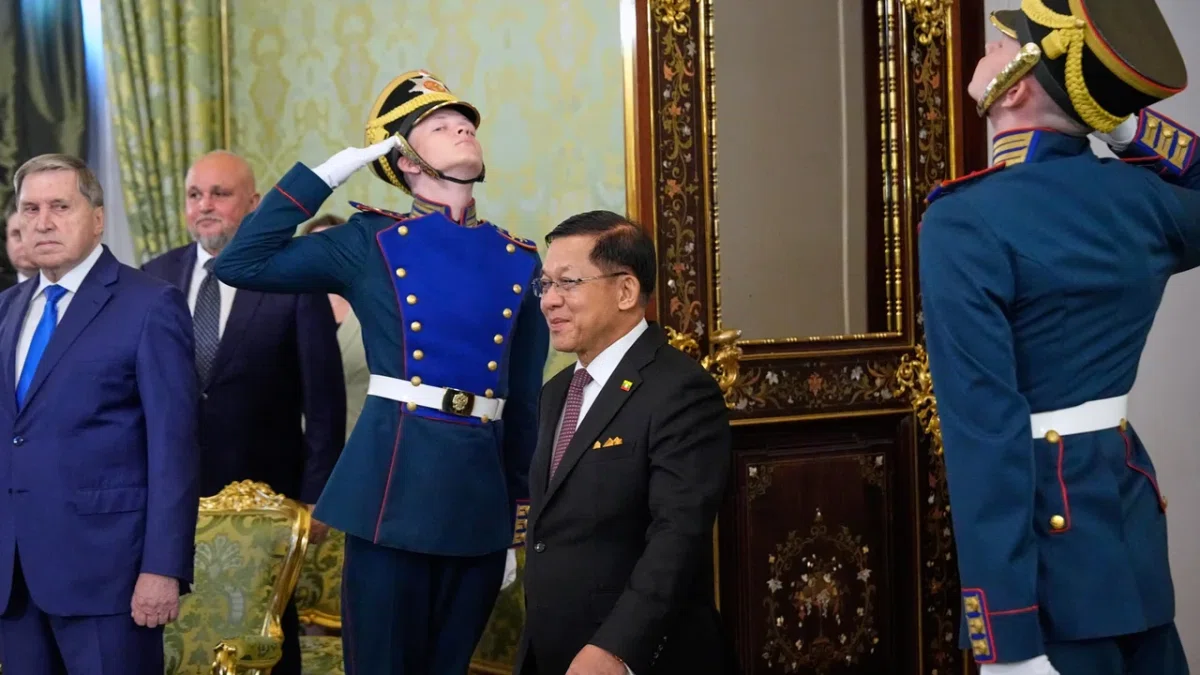
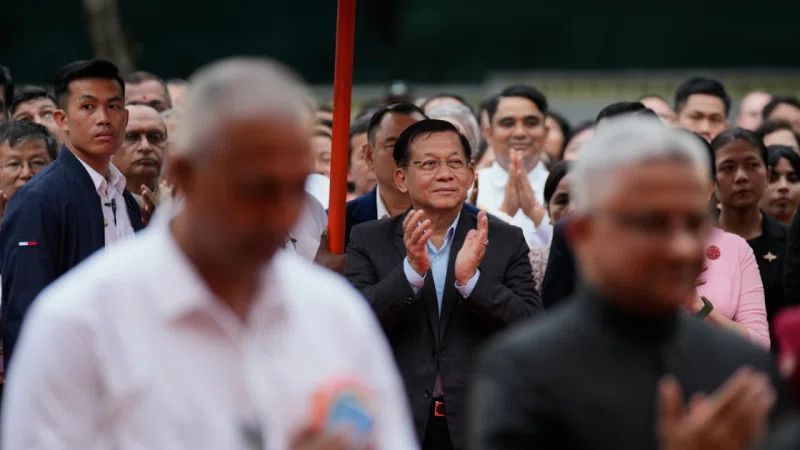
Myanmar junta leader Min Aung Hlaing has conducted a series of high-profile visits to neighbouring states including China, India, Russia, Thailand, and Vietnam. These visits have effectively outmanoeuvred the Association of Southeast Asian Nations (ASEAN), which did not recognise the results of the military's fraudulent elections in January and has barred high-level representatives from Myanmar from attending its summits.
The United States held secret talks with the Myanmar government in Tokyo in June, which paved the way for a meeting between senior US officials and Min Aung Hlaing in Naypyidaw in September. US Assistant Secretary of State for Intelligence and Research Michael Vance led the delegation to Naypyidaw with the aim of releasing detained American businessman Adam Castillo. The visit served as a pretext for engagement that the Trump administration had been considering for some time.
China has been a key proponent of the Min Aung Hlaing government, backing the military's elections and pressuring ethnic armed groups along the northern border to enter ceasefire negotiations. Beijing's influence tilted the balance of power in the military's favour following losses to resistance forces in late 2023. In October, a Chinese delegation led by Peng Xiubin held a meeting in Myanmar with nine political parties, including the Union Solidarity and Development Party.
ASEAN has maintained that its Five Point Consensus is the preferred diplomatic path to resolve the crisis. The plan calls for an end to violence, dialogue among all parties, mediation by a special envoy, humanitarian assistance, and a visit by that envoy to meet all parties. Philippine Secretary of Foreign Affairs Teresa Lazaro, the current special envoy for Myanmar, said Myanmar's return to full participation in ASEAN meetings is still far off.
ASEAN appears to have lost control over the diplomatic process as regional leaders and great powers rush to shore up influence. Min Aung Hlaing has travelled to five of the group's 11 members this year alone, with reports that he may soon visit Indonesia and Brunei. While Thailand is expected to advocate for full normalisation of Myanmar's membership when it takes the ASEAN chairmanship in 2028, the bloc's consensus-based position may be irrelevant.
Key facts
- Min Aung Hlaing has visited China, India, Russia, Thailand, and Vietnam this year.
- US Assistant Secretary of State Michael Vance led a delegation to Naypyidaw in September.
- China's influence tilted the balance of power in the military's favour after losses in late 2023.
- ASEAN's Five Point Consensus remains the bloc's preferred diplomatic path.
Three perspectives
Neutral
Washington, Beijing, New Delhi and Moscow are all courting Naypyidaw as ASEAN's leverage fades.
Positive
The Trump administration's openness to a new approach has brought great power competition back to Myanmar.
Negative
ASEAN finds itself in the uncomfortable position of being undermined by its own member-states.
Your week in news, every Wednesday
The biggest stories of the week for your edition, in your inbox every Wednesday morning, your time. Free, and you can unsubscribe at any time.