

Over half of primary school-age children in Afghanistan are outside formal education
A joint UNESCO and UNICEF report finds 53 per cent of primary school-age children remain outside formal general education as restrictions on girls continue.
 World Desk 2 min read
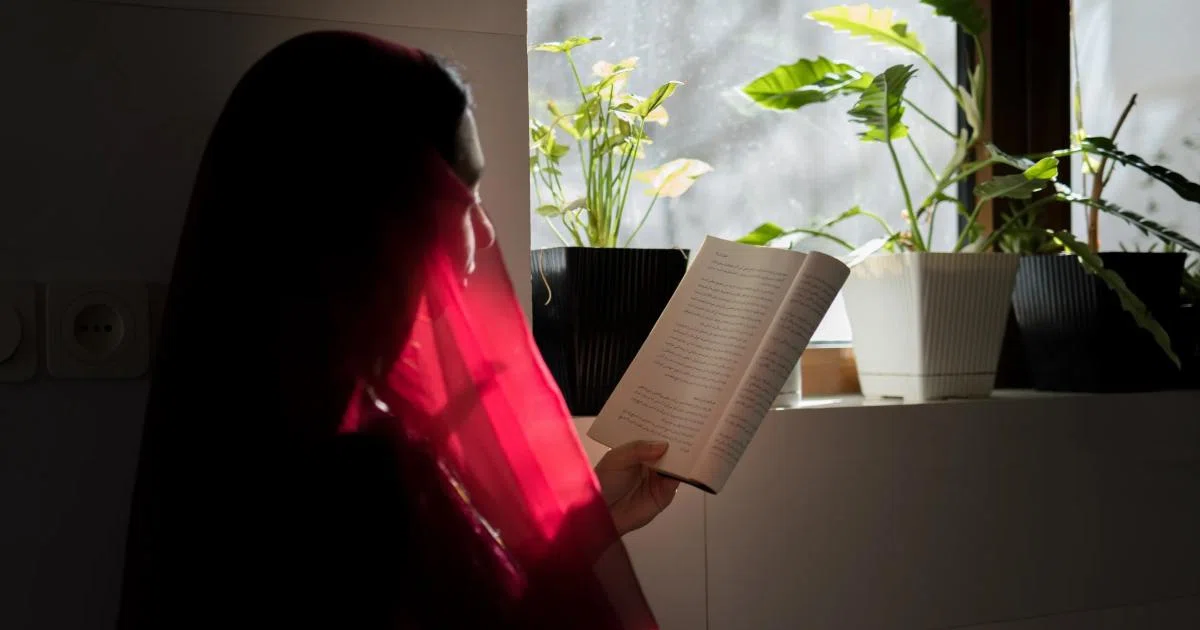
More than half of primary school-age children in Afghanistan remain outside formal general education, according to a new joint report by UNESCO and UNICEF. The report states that 53 per cent of these children are not in formal schooling, even as demand for education remains pressing.
Afghanistan is the only country in the world to formally prohibit access to education for girls and women beyond the primary level. Since 2021, more than 2.6 million Afghan girls have been deprived of secondary education.
The school-age population grew from approximately 10.4 million in 2019 to 11.5 million in 2024, which places pressure on schools, teachers, and education services. Additionally, approximately 1.23 million Afghans returned to the country during the year as of September 2026, including more than 245,000 children requiring education support.
Higher education enrolment in 2026 was around 208,000 students, which is far below the 2020 level of approximately 430,000. This follows the continued exclusion of women from university.
A national assessment of more than 55,000 pupils across 34 provinces found that less than half of Grade 4 students reached minimum proficiency in language for Grade 3. Only one in four students reached minimum proficiency in mathematics for that grade.
Community-based education, literacy and skills development programmes, distance and digital learning, and private tutoring remain the few learning pathways for adolescent girls. By October 2026, approximately 5,300 community-driven classes were serving around 162,000 learners, 64 per cent of whom were girls.
Key facts
- 53 per cent of primary school-age children in Afghanistan are outside formal general education.
- More than 2.6 million girls have been denied access to secondary education since 2021.
- University enrolment in 2026 was approximately 208,000, compared to about 430,000 in 2020.
Three perspectives
Neutral
The Afghanistan Education Situation Report 2026 shows that while 6.6 million children were enrolled in public primary schools in 2025, enrolment is no longer keeping pace with population growth.
Positive
Families and communities have shown resilience and continue to seek education for their children, including in areas where schools are inaccessible.
Negative
The continued exclusion of girls and women from education, recurrent emergencies, and insufficient investment are widening the gap between demand and the system's capacity.
Your week in news, every Wednesday
The biggest stories of the week for your edition, in your inbox every Wednesday morning, your time. Free, and you can unsubscribe at any time.