

El Niño could drive food inflation in 2027, Bank of England says
The Bank of England identified the weather phenomenon as a factor that could increase food prices and potentially influence interest rates.
 Climate Desk 2 min read
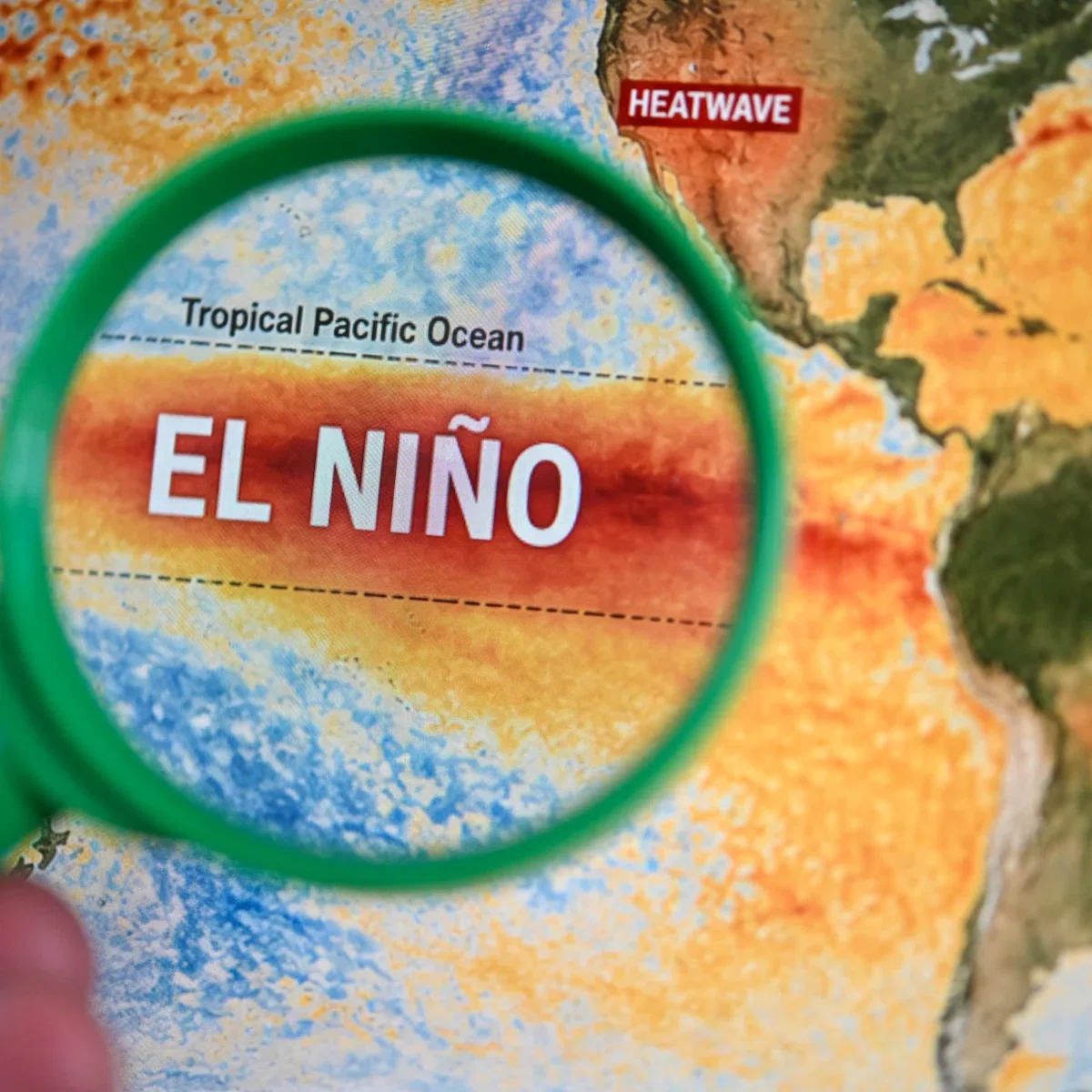
The Bank of England has identified El Niño as a key factor that could drive food inflation in 2027. This weather phenomenon, which drives variations in temperature and winds across the Pacific, could increase supermarket prices and possibly interest rates.
This year's El Niño is already the strongest on record and is expected to peak later this year. It could cause global economic problems if it negatively affects major agricultural producers or transport routes. Poor harvests can cause international agricultural prices to rise, while higher energy costs can make fertiliser, processing, and transportation more expensive.
The UK government has pledged £15 million to help vulnerable countries, including Zambia, Malawi, and Kenya, prepare for droughts, floods, and food shortages caused by this year's El Niño.
The Bank of England said the potential effects of El Niño are likely to emerge gradually rather than causing immediate widespread food shortages or dramatic price rises. Many food manufacturers and retailers use risk management techniques to limit exposure to sudden price changes, which can initially shield consumers from international shocks.
The Bank of England also warned that a strong El Niño alongside renewed energy disruption could put much greater pressure on food prices. If extreme weather affects major shipping routes, the effects on import prices could become stronger.
Key facts
- The Bank of England identified El Niño as a factor that could increase food inflation in 2027.
- The UK government pledged £15 million to help countries like Zambia, Malawi, and Kenya prepare for weather-related food shortages.
- This year's El Niño is the strongest on record and is expected to peak later this year.
Three perspectives
Neutral
The Bank of England views El Niño as a potential source of risk and volatility rather than a certain prediction that food prices must rise.
Positive
The UK government has pledged £15 million to help vulnerable countries such as Zambia, Malawi, and Kenya prepare for droughts, floods, and food shortages.
Negative
A strong El Niño alongside renewed energy disruption could put much greater pressure on food prices.
Your week in news, every Wednesday
The biggest stories of the week for your edition, in your inbox every Wednesday morning, your time. Free, and you can unsubscribe at any time.