 Australia
NASA aims for 2028 moon landing with faster, simpler plan
Administrator Jared Isaacman says a new strategy for the Artemis mission could return astronauts to the moon by 2028 despite a space rehearsal running three months behind schedule.
 Space Desk 2 min read
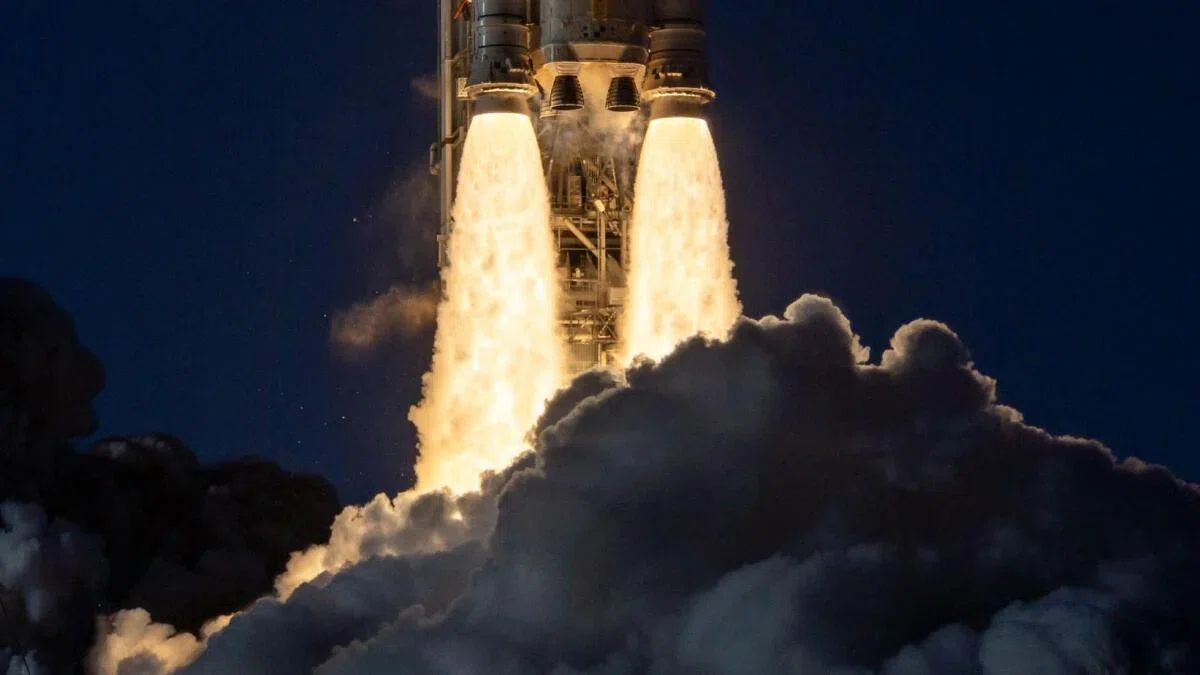
NASA leaders said Friday that a faster, simpler plan can still put astronauts on the moon in 2028, despite a space rehearsal running three months behind schedule. Administrator Jared Isaacman made the case at Kennedy Space Center in Florida, where crews have started stacking the mega moon rocket for the expedited Artemis III mission.
The new plan for the Artemis IV mission scraps a distant orbit around the moon where landers were once expected to pick up the crew, and it also cuts the number of rocket launches each landing needs. The two-week spaceflight around Earth would see four astronauts — Randy Bresnik, Andre Douglas, Frank Rubio, and Luca Parmitano — in the Orion spacecraft, connecting with two landers built by Jeff Bezos' Blue Origin and Elon Musk's SpaceX in orbit.
Isaacman warned that NASA is in a new space race with China, which could land its own people on the moon within about three years. He said the agency must overcome institutional inertia and displaced priorities that have held America's space program back.
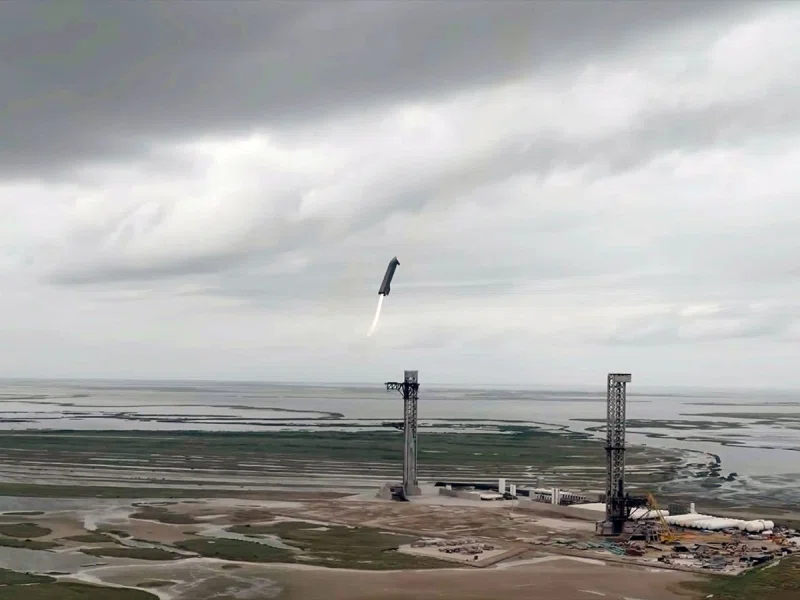
The plan depends on unproven technology, such as SpaceX's Starship lander, which requires other Starships to fly up as tankers and pump fuel into it in space. SpaceX plans its first full attempt early next year.
Blue Origin plans to launch three smaller spacecraft that work like tugboats to haul its lander to a lunar orbit. However, the company must get flying again after its New Glenn rocket failed to launch following a mishap in May that destroyed its launch pad.
To save time, NASA and contractor Axiom Space are developing a pared-down spacesuit for the first short moonwalks that would weigh about 250 pounds. The agency also scrapped an expensive, delayed new top section for its rocket and instead picked a stretched version of one that United Launch Alliance already builds.
Key facts
- NASA aims to put astronauts on the moon in 2028.
- The Artemis IV mission will use a new plan that scraps a distant lunar orbit and reduces the number of rocket launches required.
- SpaceX plans its first full attempt at transferring fuel between Starships early next year.
Three perspectives
Neutral
NASA is keeping both SpaceX and Blue Origin in the running before picking which company carries astronauts to the moon first.
Positive
NASA engineers redesigned and built a new connection for the Space Launch System rocket in less than five months for a fraction of the original cost.
Negative
The new plan for the moon-landing mission leaves almost no margin for error.
Your week in news, every Wednesday
The biggest stories of the week for your edition, in your inbox every Wednesday morning, your time. Free, and you can unsubscribe at any time.