 Australia
Report recommends including food access in national child care quality standards
Researchers found one in 10 child care centres do not provide food, with the lowest provision rates in Tasmania and small rural towns.
 Health Desk 2 min read
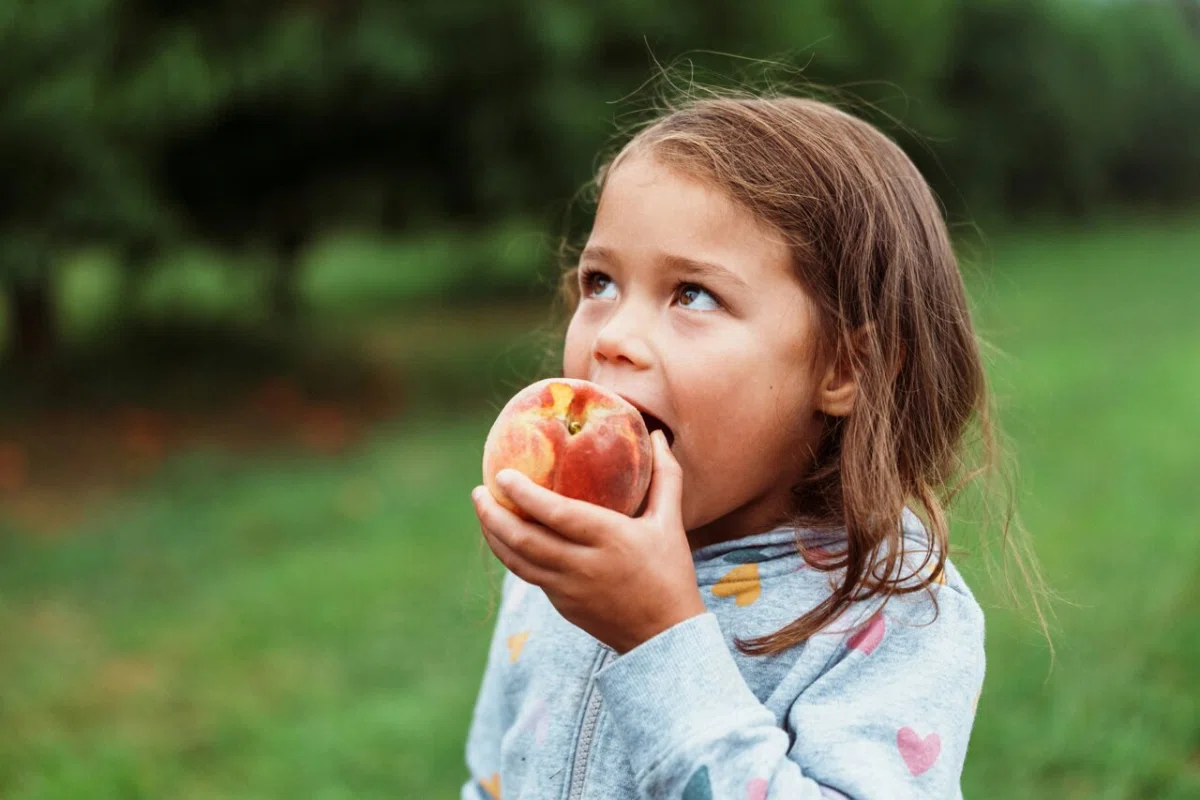
A report on Australia's child care services has recommended that access to nutritionally adequate food be included in national quality standards. The report, titled "Food where it matters most," is the first national mapping of food provision in full-day child care services for children from birth to age 6.
Researchers from The University of Queensland and Social Ventures Australia examined food insecurity and food provision in early childhood education and care (ECEC) settings over the past two years. Karen Thorpe, a professor at UQ's Queensland Brain Institute, said one in 10 child care centres did not provide food. Thorpe said food provision is not required by national law and is not monitored in the quality assessment of child care services.
The study found the most significant gaps in small rural towns, where only 58% of services provided food. Tasmania had the lowest rate of food provision in Australia, with 66% of full-day child care centres providing food compared to 87%–94% in other states and territories.
Dr. Bonnie Searle, a nutritionist and research fellow at UQ's Queensland Brain Institute, said food insecurity is a significant and growing issue for Australian children. She said it is associated with poorer health, developmental vulnerability, reduced educational outcomes and lifelong disadvantage. Searle said between 16% and 43% of Australian households with children experience food insecurity, with particularly high rates among low-income and single-parent families.
Emma Sydenham, director of early childhood at Social Ventures Australia, said the findings point to an opportunity for governments to act. She said the organisation is calling on the Australian government to establish a targeted Food Provision in ECEC program, initially focused on 50 communities where children are at greatest risk of food insecurity.
Other recommendations include the establishment of an ECEC Commission with a mandate to recognise food as essential educational infrastructure and a core component of quality ECEC. Barriers to adequate, high-quality food include cost, limited space and lack of staff training.
Key facts
- One in 10 child care centres in Australia do not provide food.
- Only 58% of child care services in small rural towns provide food.
- Tasmania has the lowest food provision rate at 66% of full-day centres.
- Between 16% and 43% of Australian households with children experience food insecurity.
Three perspectives
Neutral
A report by researchers from The University of Queensland and Social Ventures Australia examined food provision in Australian early childhood education and care settings.
Positive
The report recommends that governments recognise access to nutritious food as a fundamental condition for children's learning and development.
Negative
Food insecurity is associated with poorer health, developmental vulnerability, and reduced educational outcomes for children.
Your week in news, every Wednesday
The biggest stories of the week for your edition, in your inbox every Wednesday morning, your time. Free, and you can unsubscribe at any time.