

Jade smuggling grows in Myanmar as conflict fuels illicit trade
The jade-smuggling trade is growing in Myanmar, exposing how the global hunger for precious minerals can finance and fuel conflict.
 Crime & Justice Desk 2 min read
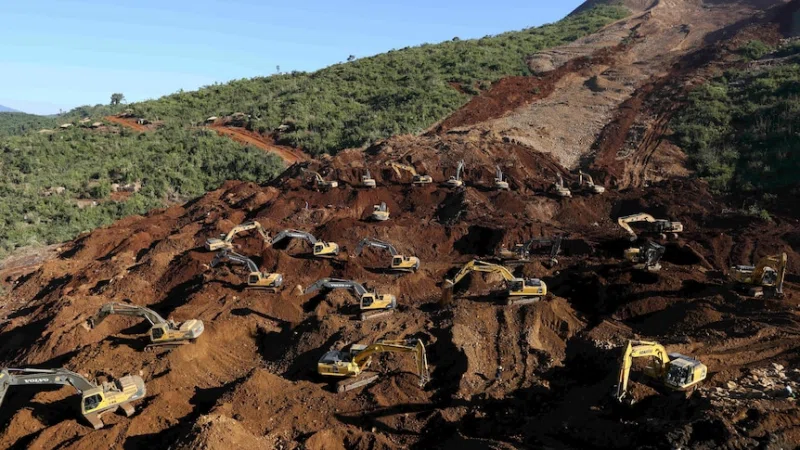
The jade-smuggling trade is growing in Myanmar, exposing how the global hunger for precious minerals can finance and fuel conflict. Most stones are now smuggled directly over the border to China via two main back roads, bypassing established markets in Mandalay and official emporiums in Naypyidaw where stones could be taxed and auctioned.
Drivers describe routes that avoid towns and wind through jungle with steep climbs, mud, and boulders, often driving alongside active combat zones. Armed men run checkpoints every 10 to 15 kilometres, with some belonging to the Kachin Independence Army (KIA) and others aligned with the military. Drivers sometimes face unpredictable threats such as landmines, heavy artillery shells, or air strikes.
Since the 2021 coup, the KIA launched a major offensive two years ago, capturing large stretches of land along the Chinese border. The mines are now divided between the KIA's political arm, the Kachin Independence Organisation (KIO), and the military, with a contested zone in the surrounding areas. Controlling Hpakant is lucrative because controlling territory now means controlling unofficial taxation.
Aung Kyaw, a driver who asked to use a pseudonym for safety, said he earns about 700,000 kyat ($477) a trip, which is more than double his previous mining wage. He said despite the risk of being killed, it was a solid income. Miner Sai Myo Htwe said more Chinese buyers have been travelling directly to the mines since the coup to identify raw stones to be smuggled out.
A 2015 report from Global Witness estimated Myanmar's jade production was worth as much as $31 billion to $45 billion a year, with 90 per cent of Hpakant-mined jade smuggled into China. While the military and KIA fight for territory, they also cooperate to share jade profits, which enriches armed elites while denying local communities the benefits.
Key facts
- Most jade from Hpakant is smuggled directly to China via back roads instead of through official markets.
- The jade industry is worth billions of dollars, but smuggling makes the total value unclear.
- Mining areas are currently divided between the military and the Kachin Independence Organisation (KIO).
Perspectives
Neutral
Jade is mostly sold to buyers from China, where it is thought to symbolise purity of spirit and bring good luck.
Negative
The jade-smuggling trade fuels conflict and enriches armed elites while denying benefits to local communities.
Your week in news, every Wednesday
The biggest stories of the week for your edition, in your inbox every Wednesday morning, your time. Free, and you can unsubscribe at any time.