

Researchers find 3,000 organisms in deep reef structures near Palau
Scientists retrieved autonomous reef monitoring structures after 10 years to study mesophotic coral ecosystems.
 Science Desk 2 min read
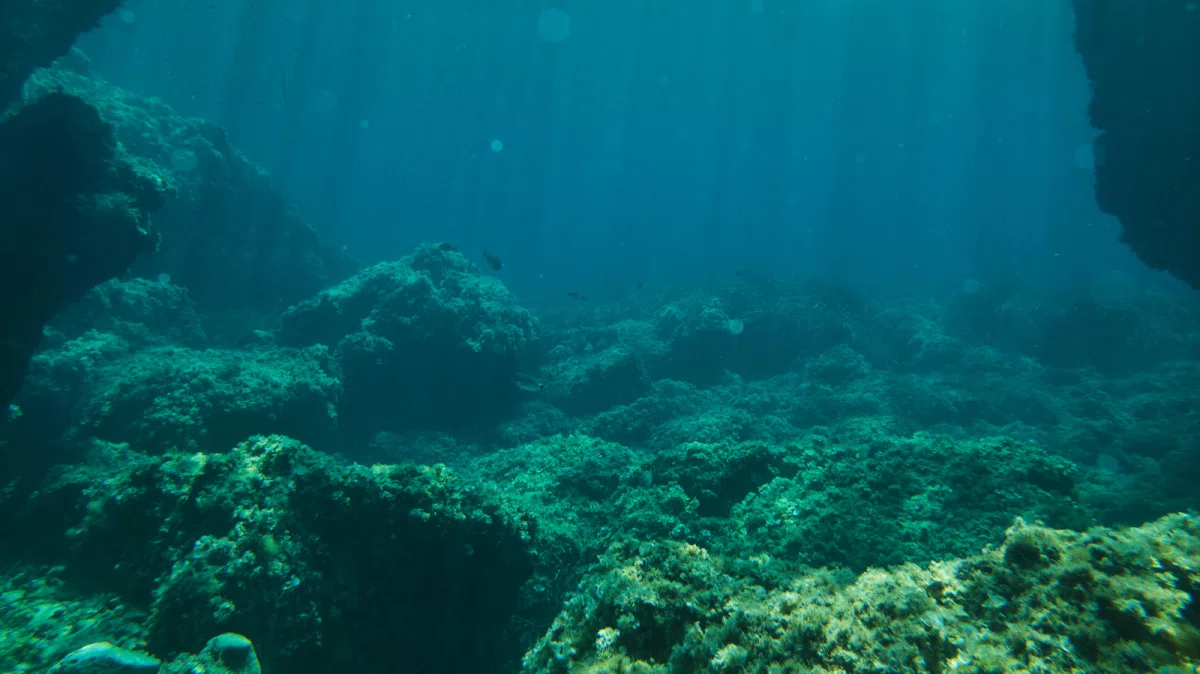
A research team found close to 3,000 organisms in autonomous reef monitoring structures, or ARMS, deployed around Palau. Researchers are working to identify these organisms and may reveal multiple previously unknown species.
The ARMS were placed 300 feet beneath the waves and stayed there for 10 years before scientists retrieved them. These structures consist of several plates with uniform separations that allow organisms to colonize the surface and find refuge between layers, eventually becoming miniature reefs.
The retrieved structures were placed in containers of seawater and sent to the Palau International Coral Reef Center for study. In the lab, researchers disassembled the structures, photographed the plates, and used genetic testing to attempt to catalog the organisms.
The study focuses on mesophotic coral ecosystems, also known as deep reefs, which are found from 100 feet to nearly 500 feet beneath the surface. At these depths, the water is colder and there is far less light than in shallow reefs.
Scientists are studying how these species interact, such as organisms that filter water or consume dead material and algae. This research aims to clarify the roles mesophotic reefs play and identify where they are most vulnerable to stresses like overfishing and climate change.
Studying deep reefs is difficult because divers must spend most of their time descending and ascending to avoid decompression sickness. While remotely operated submersibles are used, cameras often cannot see animals hiding in cracks and crevices.
Key facts
- Researchers found close to 3,000 organisms in the Palau ARMS.
- The autonomous reef monitoring structures were retrieved after 10 years.
- Mesophotic reefs are located between 100 feet and nearly 500 feet deep.
Three perspectives
Neutral
Scientists retrieved autonomous reef monitoring structures from 300 feet deep to study mesophotic coral ecosystems.
Positive
The research may reveal multiple previously unknown species and help inform ways to protect deep reefs from climate change and overfishing.
Negative
Deep reef study is limited because divers face decompression sickness risks and cameras cannot see into all reef crevices.
Your week in news, every Wednesday
The biggest stories of the week for your edition, in your inbox every Wednesday morning, your time. Free, and you can unsubscribe at any time.