

Health ministry urges families to protect health during dry weather
The Ministry of Health and Medical Services and WHO advise families to manage water shortages and extreme heat as food gardens deteriorate in parts of the Solomon Islands.
 Health Desk 2 min read
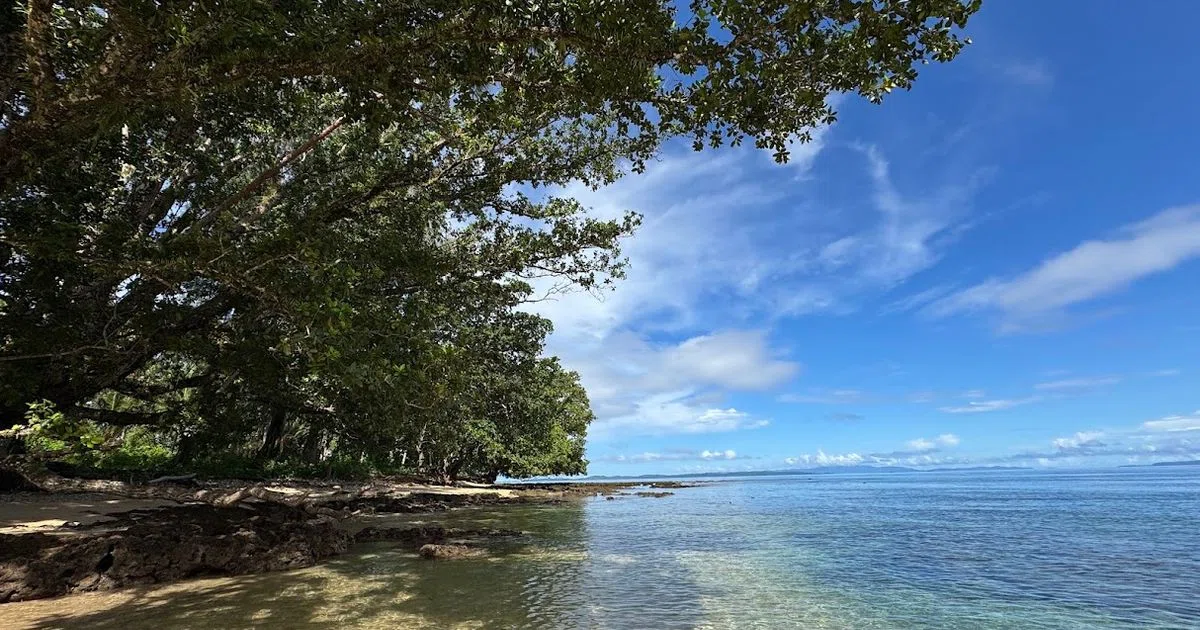
The Ministry of Health and Medical Services (MHMS), supported by the World Health Organization (WHO), is urging families to protect their health as prolonged dry weather brings water shortages, extreme heat, and damaged food gardens to parts of the Solomon Islands. Drying water sources, empty household tanks, and deteriorating food gardens have been reported in Western Province, Choiseul, and other affected areas.
Families are changing daily routines, such as walking longer distances to collect drinking water and adjusting water use. The dry weather has also disrupted livelihoods, work, food production, and schools. Shifts in rainfall and temperature can affect food security, air and water quality, and health services, and can change how diseases spread through mosquitoes, rats, and contaminated water.
Unsafe water and limited hygiene increase the risk of diarrhoeal disease and other infections, while extreme heat can cause dehydration and heat-related illness. Crop losses also threaten nutrition and food security. Children, pregnant women, older people, and those with chronic conditions are particularly vulnerable.
Acting Permanent Secretary of Health Dr Gregory Jilini said the Public Health Emergency and Surveillance Unit of MHMS is actively monitoring the situation through the national disease surveillance system. He said the priority is to inform communities and work with provincial health authorities to spot health problems early. Dr Jilini urged everyone to look out for neighbors, especially children, older people, and families struggling to find enough water.
WHO Representative in Solomon Islands, Dr Howard Sobel, urged early action, stating that no family should have to choose between having enough water to drink and maintaining basic hygiene. Families should store water in clean, covered containers, use water carefully, and avoid strenuous outdoor activities during periods of extreme heat.
Communities reliant on rainwater, rivers, and household tanks should monitor water sources and prevent contamination. The MHMS and WHO urge the public to follow official information from the Solomon Islands Meteorological Service and the Solomon Islands National Disaster Management Office.
Key facts
- Dry weather is causing water shortages and damaged food gardens in Western Province and Choiseul.
- The Ministry of Health and Medical Services is monitoring the situation through the national disease surveillance system.
- Extreme heat and unsafe water increase risks of dehydration and diarrhoeal disease.
Three perspectives
Neutral
The Ministry of Health and Medical Services and the WHO are advising communities on health protection during a period of prolonged dry weather.
Positive
The Public Health Emergency and Surveillance Unit of MHMS is actively monitoring the situation to spot health problems early.
Negative
Drying water sources and crop losses are threatening food security and increasing the risk of disease.
Your week in news, every Wednesday
The biggest stories of the week for your edition, in your inbox every Wednesday morning, your time. Free, and you can unsubscribe at any time.