 Australia
Food insecurity affects more than 3.5 million Australian households
Rising fuel and cost-of-living pressures have increased the number of households facing food insecurity to over 3.5 million, according to Foodbank.
 Cost of Living Desk 2 min read
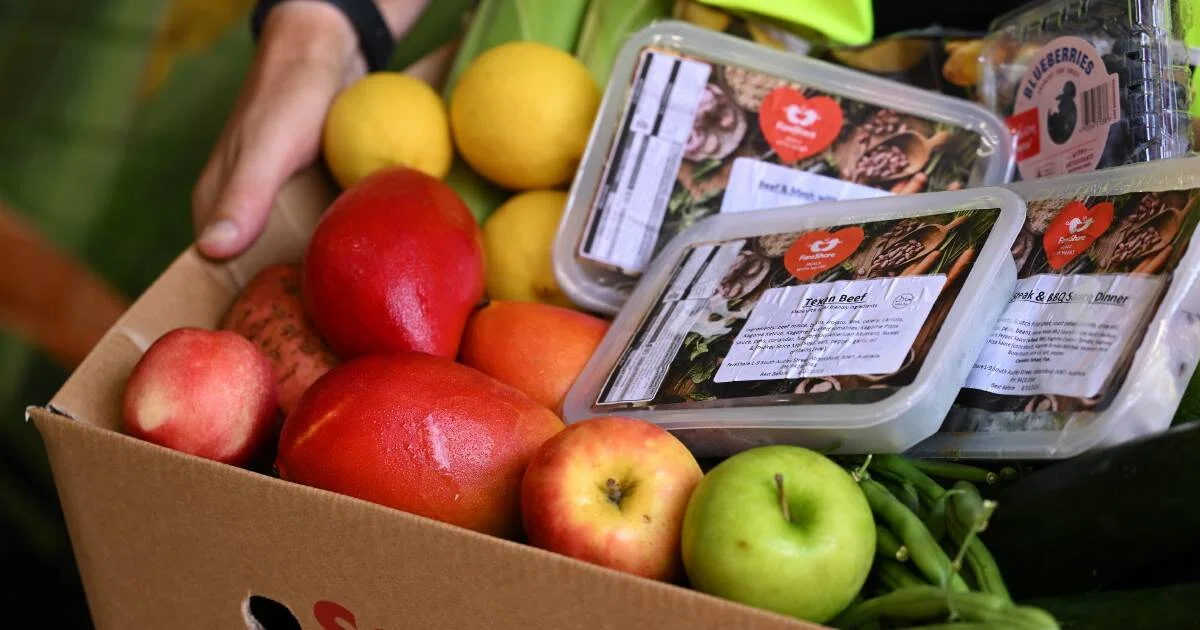
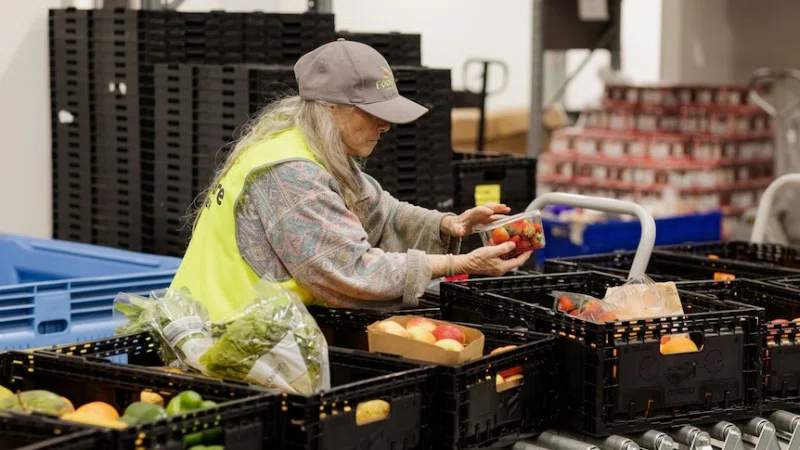
More than 3.5 million households are experiencing food insecurity as rising fuel and cost-of-living pressures hit Australians. This rate appeared to be easing two years ago.
Foodbank chief Kylea Tink said more households are falling into food insecurity than ever before. The gap between those who have and those who do not is getting wider.
Couples with children and 18- to 34-year-olds are at increasing risk of food insecurity in every corner of the country. Further economic pressures could worsen the situation, as the Reserve Bank has projected higher unemployment in coming months and a possibility of another interest rate rise.
Ms Tink said food relief agencies cannot fix the root causes of hunger alone. She said if the federal government raised the rate of the pension, single parents payments, and youth allowance, it would have a significant impact on the rate of food insecurity.
School breakfast programs have seen improvements in outcomes, particularly state government-supported schemes in NSW and Victoria. Ms Tink is pushing for direct funding from each level of government instead of "scattergun throwing cash into the wind".
A child with access to a nutritious breakfast is more likely to participate more effectively and turn up to school from the very beginning.
Key facts
- Food insecurity now represents more than 3.5 million households.
- 18- to 34-year-olds and couples with children are at increasing risk.
- The Reserve Bank has projected higher unemployment in coming months.
Three perspectives
Neutral
Food insecurity affects more than 3.5 million households due to rising fuel and cost-of-living pressures.
Positive
State government-supported school breakfast programs in NSW and Victoria have seen real improvements in outcomes.
Negative
The gap between those who have and those who do not is getting wider as working-family incomes fail to stretch.
Your week in news, every Wednesday
The biggest stories of the week for your edition, in your inbox every Wednesday morning, your time. Free, and you can unsubscribe at any time.