

Cop31 climate talks begin in Turkey amid fossil fuel divisions
Poorer nations seek funding for floods and droughts as the world approaches the 1.5C warming limit.
 Climate Desk 2 min read
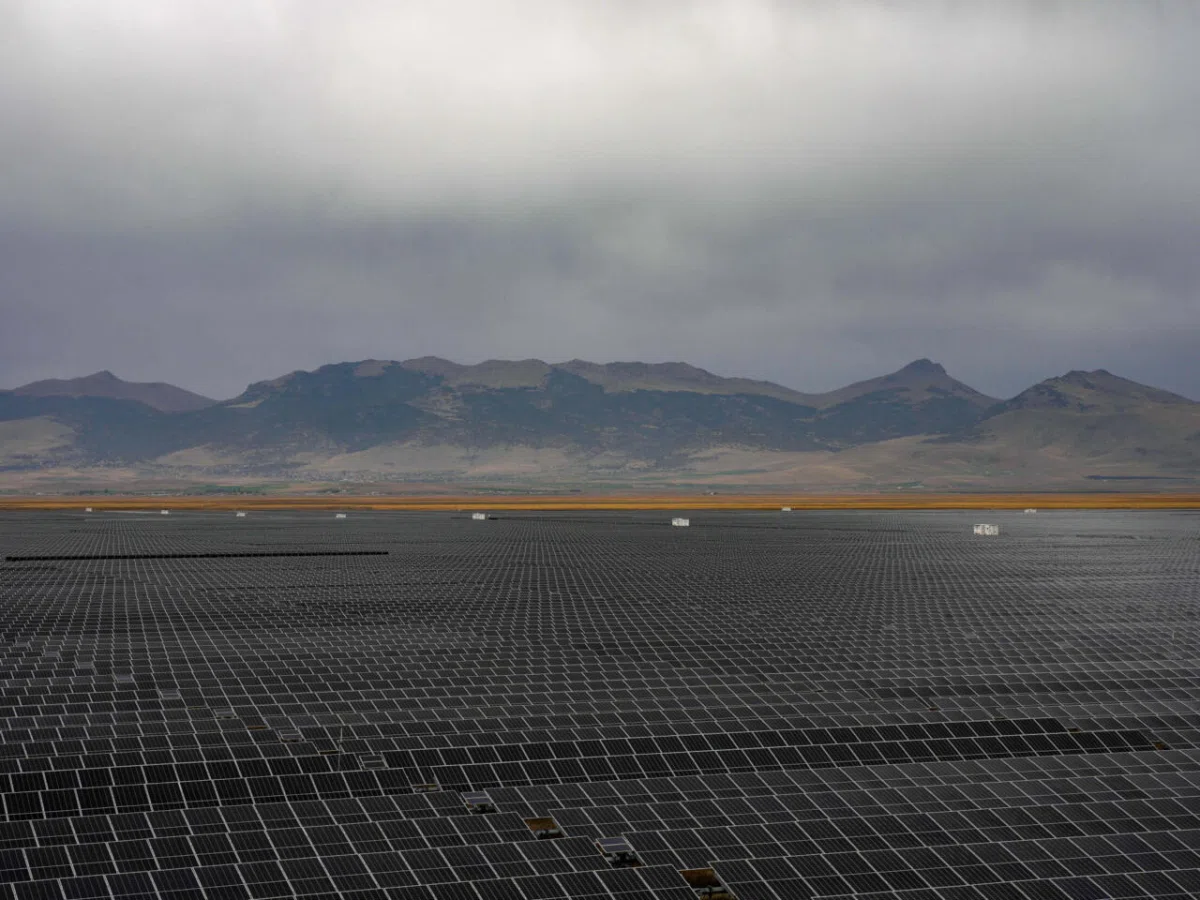
United Nations climate talks get under way in Turkey on Monday. The summit occurs as the world heads beyond the 1.5C warming limit and countries remain divided over fossil fuels.
Under an unusual arrangement, Turkey holds the presidency while Australia’s climate minister, Chris Bowen, leads the negotiations. Delegates from the United States will attend the summit but will not take part in negotiations.
The transition away from fossil fuels is a key and divisive issue at the Cop31 summit. Scientists have warned for several years that the world is approaching the 1.5C warming limit set by the Paris Agreement.
Adapting to a hotter world with stronger flood defences and safer homes will cost developing countries around $305 billion a year by 2035 at today’s prices, according to the UN Environment Programme. Wealthy countries provided around $30 billion for such protection in 2024, which is barely a tenth of that amount.
African negotiators have asked for dedicated talks on a pledge to triple support, raising the prospect of an early dispute over the summit agenda. Nana Antwi-Boasiako Amoah, who chairs the group representing African countries at UN climate talks, said the problem is not only how much, but on what terms. He called for predictable grants rather than loans.
Turkey is promoting a voluntary target for electricity to meet 35 percent of global energy use by 2035, though the proposal does not require that electricity come from clean sources.
Key facts
- Cop31 climate talks began on Monday in Turkey.
- Developing countries will need approximately $305 billion a year by 2035 to adapt to climate change.
- Wealthy nations provided about $30 billion for climate protection in 2024.
Three perspectives
Neutral
The Cop31 summit in Turkey begins with countries divided over fossil fuels and the funding required for developing nations to adapt to climate change.
Positive
Turkey and Australia aim to have countries approve a single overall decision to deliver existing promises on emissions cuts and funding.
Negative
Existing climate plans would cut global emissions by just 6 percent by 2035 compared with 2019 levels, which is far short of what is needed.
Your week in news, every Wednesday
The biggest stories of the week for your edition, in your inbox every Wednesday morning, your time. Free, and you can unsubscribe at any time.