

Human errors and poor procedure could undermine 2027 elections, says former INEC official
Barrister Festus Okoye warned that improper handling of result sheets and mistakes in using electoral technology could affect the credibility of Nigeria's 2027 general elections.
 Politics Desk 2 min read
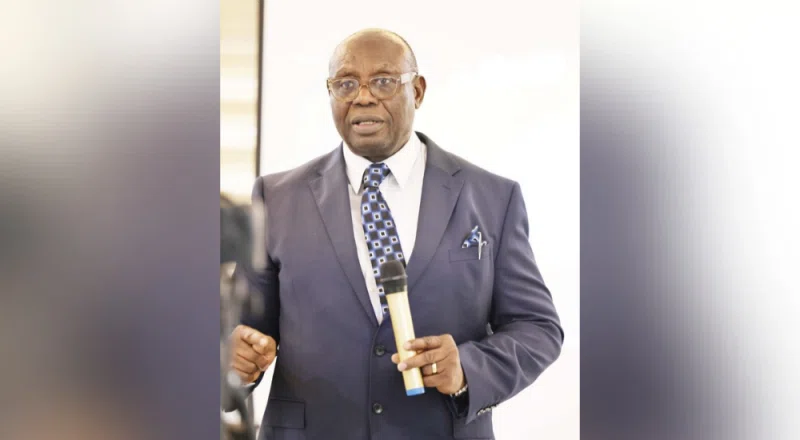
Human errors, poor understanding of electoral procedures, and improper handling of result sheets could undermine the credibility of Nigeria’s 2027 general elections, a former National Commissioner of the Independent National Electoral Commission (INEC), Barrister Festus Okoye, has warned. He identified mistakes by election officials, particularly in the use of electoral technology and the completion of result sheets, as potential sources of discrepancies that could affect the electoral process.
Okoye explained that the Bimodal Voter Accreditation System (BVAS) is a multifunctional gadget used for voter enrolment, voter identification and verification, and result upload. The device was designed by INEC engineers and manufactured in China. It has helped prevent impersonation, double voting, and multiple voting.
Regarding the transmission of results, Okoye cited Sections 60(3), 60(5), and 155 of the Electoral Act 2022, as amended. He stated that Section 60(5) provides for the transmission of election results to the next level of collation, while Section 155 defines transmission as the transfer of information manually or electronically. He noted that INEC has the discretion to transfer results to the collation centre either manually or electronically.
The signed and stamped Form EC8A remains the primary source for the collation and declaration of results at all times. While the INEC Election Results Viewing Portal (IReV) allows the public to view uploaded polling unit result sheets, the physical Form EC8A is central to the formal collation process.
INEC's investment in electoral technology included a budget of approximately N117.1bn for the 2023 general elections. The commission reportedly acquired 200,000 BVAS devices for that exercise. The BVAS was introduced in 2021 and first piloted in the Isoko South I State Constituency bye-election in Delta State.
Key facts
- Barrister Festus Okoye warned that human errors and improper handling of result sheets could undermine the 2027 general elections.
- The BVAS is a multifunctional device used for voter enrolment, accreditation, and result upload.
- Form EC8A remains the primary document for the collation and declaration of election results.
- INEC allocated about N117.1bn to electoral technology for the 2023 general elections.
Three perspectives
Neutral
Barrister Festus Okoye explained the legal provisions for result transmission and the functions of the BVAS and IReV.
Positive
The BVAS technology has helped prevent impersonation, double voting, and multiple voting.
Negative
Mistakes by election officials in using technology and completing result sheets could create discrepancies in the electoral process.
Your week in news, every Wednesday
The biggest stories of the week for your edition, in your inbox every Wednesday morning, your time. Free, and you can unsubscribe at any time.