

Deep sea exploration remains limited as ocean floor mapping lags
Only 28.7% of the world's ocean floor has been mapped to modern standards as of April 2026.
 Science Desk 2 min read
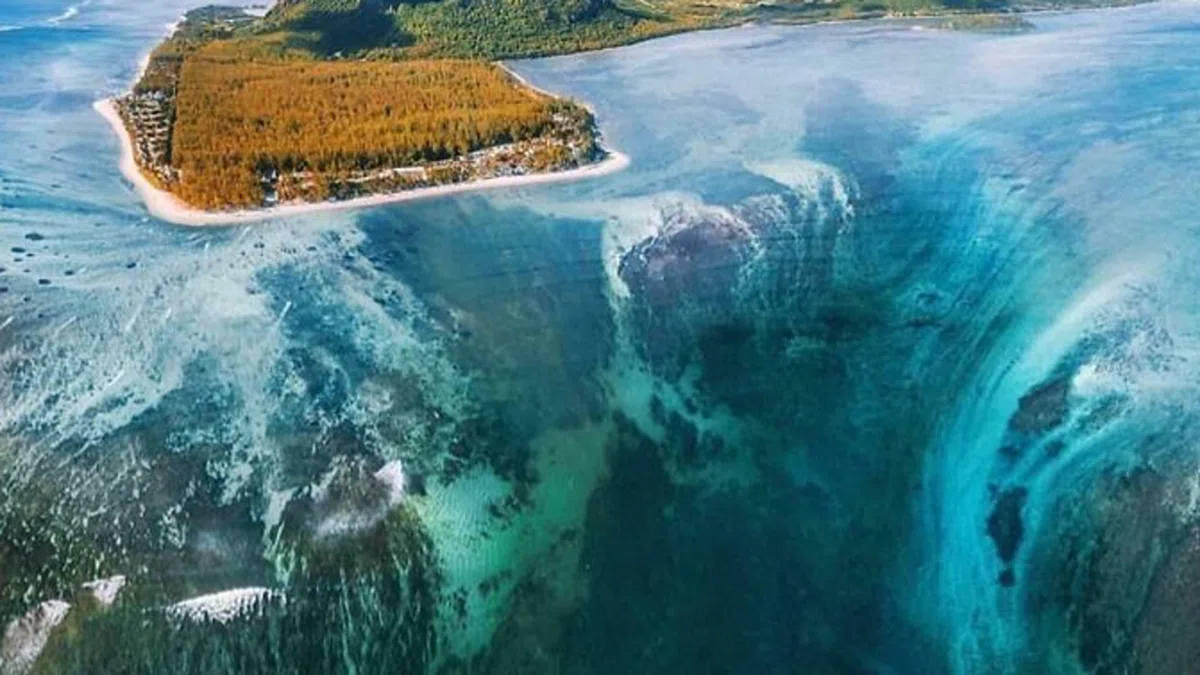
Humans have visually observed less than 0.001% of the deep seafloor, according to a 2025 study published in Science Advances. As of April 2026, the Seabed 2030 project reports that only 28.7% of the world's ocean floor has been mapped to modern standards.
The deepest known point is Challenger Deep in the Pacific Ocean's Mariana Trench, located approximately 10,935 meters below the surface. Mount Everest could fit inside this depth with water remaining above the mountain's peak.
Life exists in these depths despite the absence of sunlight, dropping temperatures, and enormous pressure. Scientists estimate that around 90% of animals living in the open ocean below 500 meters can produce their own light through bioluminescence. This ability helps marine animals communicate, attract food, or scare away predators.
Thalassophobia is the intense fear of large, deep bodies of water like oceans, seas, and lakes. Psychologists interviewed by WebMD say the condition can develop after a frightening experience in the water or by learning from movies and other people.
While deep-sea creatures like the anglerfish have unusual appearances, most unusual deep-sea animals live far below where people normally swim. Additionally, the Florida Museum of Natural History recorded 65 unprovoked shark bites worldwide in 2025.
Key facts
- Only 28.7% of the world's ocean floor was mapped to modern standards as of April 2026.
- Humans have visually observed less than 0.001% of the deep seafloor.
- Approximately 90% of animals in the open ocean below 500 meters can produce light.
Three perspectives
Neutral
The ocean covers more than 70% of the planet, yet much of its surface remains unexplored.
Positive
Scientists continue to discover new things about the underwater world through expeditions.
Negative
The fear of large, deep bodies of water, known as thalassophobia, can cause genuine terror or panic in some people.
Your week in news, every Wednesday
The biggest stories of the week for your edition, in your inbox every Wednesday morning, your time. Free, and you can unsubscribe at any time.