

 Iceland
More than 2,500 people attend Arctic Circle Assembly in Reykjavík
More than 2,500 people from 75 countries attended the annual Arctic Circle Assembly held from Oct. 8-10.
 Politics Desk 2 min read
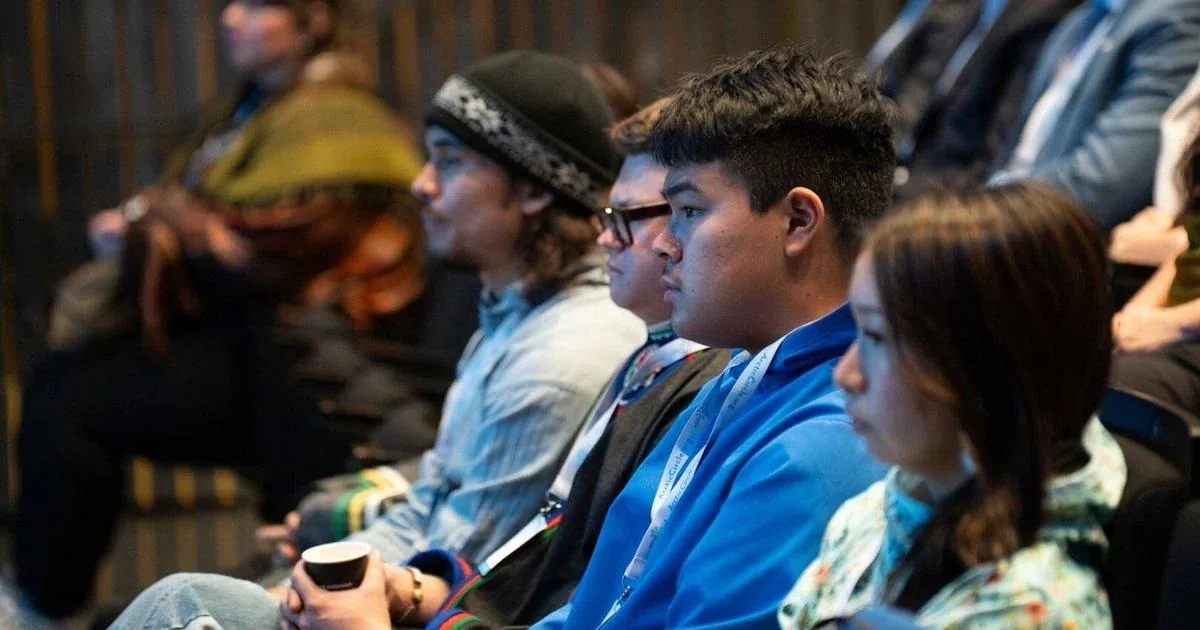
More than 2,500 people from 75 countries attended the annual Arctic Circle Assembly held from Oct. 8-10. Topics covered the event's range from climate change to Arctic sovereignty, military defence, and arts.
The assembly included the Arctic Indigenous Youth Cohort program, which is run by the federal government’s Global Arctic Leadership Initiative. This cohort included Indigenous Youth from Canada, the U.S., Greenland, Norway, Finland, and Sweden. Participants met in a designated Youth lounge at the Harpa Concert Hall.
Climate change and the predicted catastrophic collapse of the water current between the Atlantic and Arctic oceans were core themes. Greenland’s foreign affairs minister Múte Inequnaaluk Bourup Egede said that the future will be shaped with Indigenous peoples rather than decided around them. The minister stated that their future will be their voice and their choice.
The polar region is seeing rapid development and is increasingly at the heart of military and economic ambitions of global superpowers. NATO’s Military Committee chair Adm. Giuseppe Cavo Dragone said the Arctic is changing strategically, economically, and environmentally. He said this change is happening at an unprecedented pace and is becoming a new frontier for geopolitical competition.
Key facts
- More than 2,500 people from 75 countries attended the assembly.
- The Arctic Indigenous Youth Cohort includes members from Canada, the U.S., Greenland, Norway, Finland, and Sweden.
Three perspectives
Neutral
The Arctic Circle Assembly in Reykjavík brought together over 2,500 participants from 75 countries to discuss topics such as climate change, sovereignty, and defence.
Positive
Indigenous peoples are at the forefront of international discussions, with Aluki Kotierk of the Inuit Circumpolar Council noting they have much richness to offer.
Negative
The lands and waters of the Arctic face a rapidly worsening climate crisis and the predicted catastrophic collapse of the water current between the Atlantic and Arctic oceans.
Your week in news, every Wednesday
The biggest stories of the week for your edition, in your inbox every Wednesday morning, your time. Free, and you can unsubscribe at any time.