

Draft auto policy could cut plug-in hybrid vehicle prices by 20%
A proposed automotive policy for 2026–2031 may reduce costs for electric and hybrid vehicles through new tax rates and lower tariffs on localized parts.
 Business Desk 2 min read
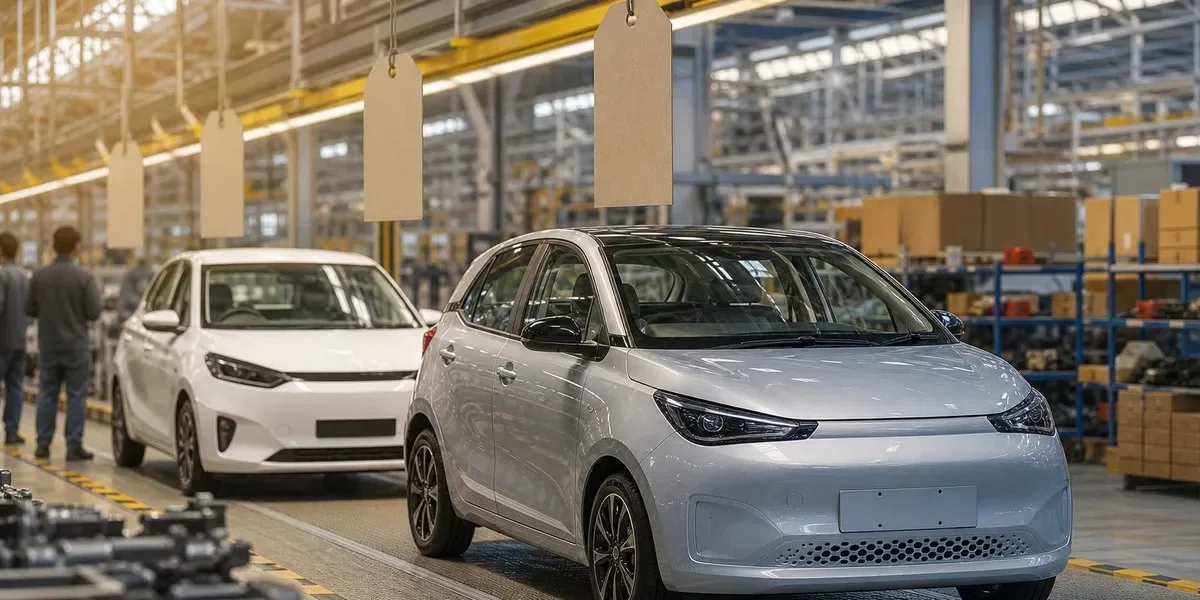
A draft automotive policy for 2026–2031 could lead to a significant reduction in prices for some vehicles in Pakistan, particularly plug-in hybrids. Preliminary industry estimates suggest the cost of such cars could fall by more than 20%.
The draft proposes a 9% sales tax rate for plug-in hybrids and 6% for extended-range electric vehicles, while retaining a 1% rate for battery electric vehicles. An earlier version of the document had proposed a unified 1% rate for all vehicles powered by new energy sources.
Under the proposed structure, conventional gasoline cars may become about 8–10% cheaper, while hybrids may decline in price by around 9%. Electric vehicles with an import value of up to $15,000 could become about 22% cheaper, whereas more expensive models may see an 8% reduction. Conversely, extended-range electric vehicles may become about 3% more expensive.
Industry representatives suggest the price of the GAC Aion UT could fall from approximately 6.4 million to between 5–5.2 million Pakistani rupees. Potential savings for certain versions of the Toyota Corolla Altis, Haval Jolion, and Honda HR-V e:HEV could range from 600,000 to 800,000 rupees.
The draft also envisages a gradual reduction in tariffs on localized CKD parts for vehicle assembly, moving from 25% to 15% by fiscal year 2031. Analysts at Topline Securities believe that competition may allow these lower tariff benefits to be passed on to consumers, though this could harm local parts manufacturers.
Abdur Rehman Aizaz, chairman of the Pakistan Association of Automotive Parts and Accessories Manufacturers, said imports of new and used vehicles are already putting pressure on the industry. In September, imports of new completely built vehicles rose to 2,407 units from 391 in August, while used-car imports increased to 2,454 from 1,185. Aizaz estimated the loss of revenue for local parts manufacturers from 4,861 imported vehicles in September at about 7.3 billion rupees.
Key facts
- Plug-in hybrid vehicle prices could fall by more than 20% under the draft 2026–2031 auto policy.
- The draft proposes a 1% sales tax for battery electric vehicles, 9% for plug-in hybrids, and 6% for extended-range electric vehicles.
- Tariffs on localized CKD parts for vehicle assembly may be reduced from 25% to 15% by fiscal year 2031.
- September imports of new completely built vehicles rose to 2,407 units from 391 in August.
Three perspectives
Neutral
The draft automotive policy for 2026–2031 proposes new tax rates for various vehicle types and a reduction in tariffs for localized assembly parts.
Positive
The proposed policy could reduce the cost of plug-in hybrid vehicles by more than 20% and lower tariffs on localized CKD parts.
Negative
Local parts manufacturers could face harm from lower tariffs and revenue losses from increased vehicle imports.
Your week in news, every Wednesday
The biggest stories of the week for your edition, in your inbox every Wednesday morning, your time. Free, and you can unsubscribe at any time.