 United States
Blood RNA biomarker identifies ovarian cancer precursor with high accuracy
Researchers found that measuring the Tu-stroma RNA molecule can detect microscopic lesions in the fallopian tubes before invasive cancer develops.
 Health Desk 2 min read
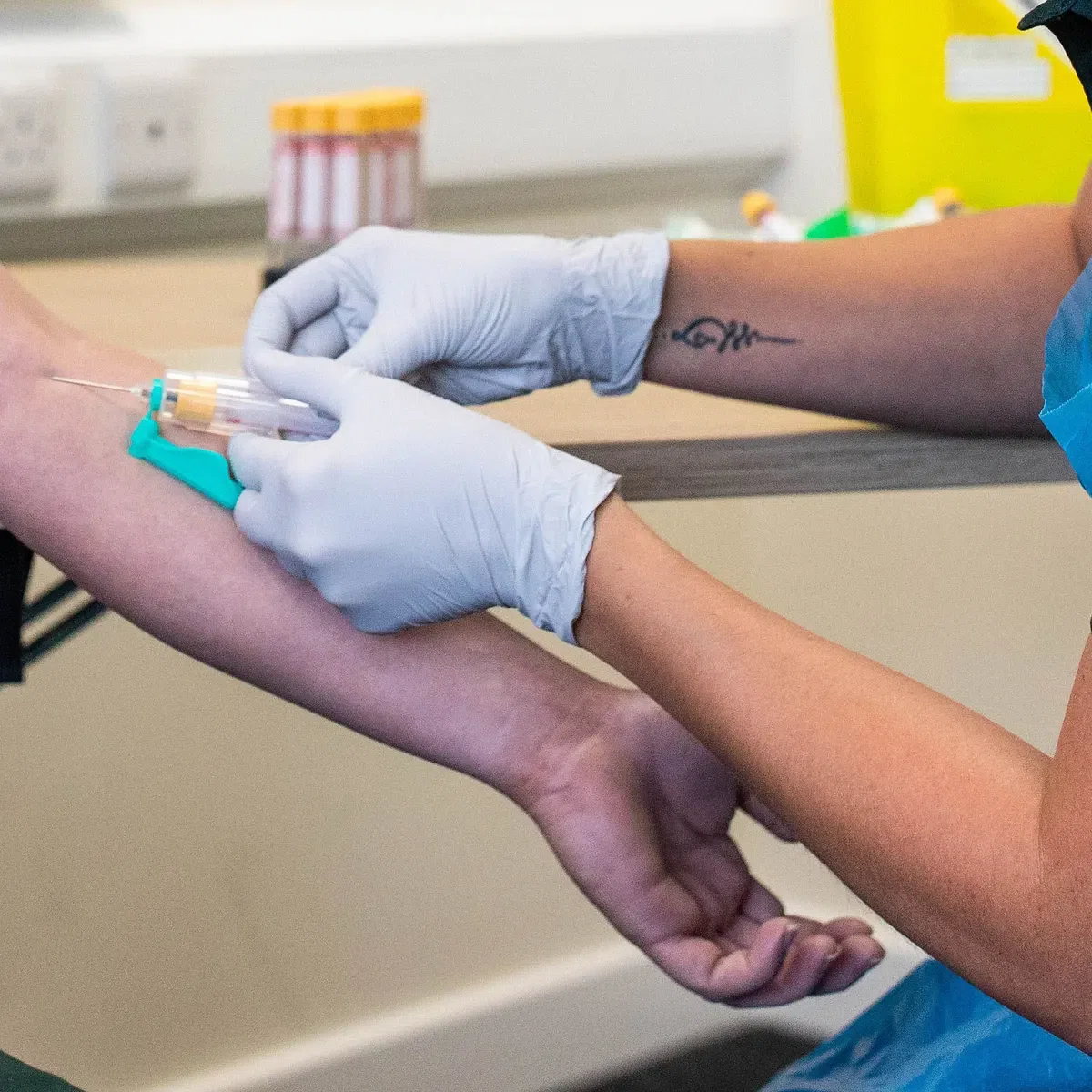
Researchers have discovered a potential diagnostic breakthrough for identifying ovarian cancer at its earliest known precancerous stage. The study found that women with serous tubal intraepithelial carcinoma (STIC), a microscopic precursor to high-grade serous ovarian cancer, have elevated blood levels of an RNA molecule called Tu-stroma.
In a study involving 506 individuals, the Tu-stroma biomarker distinguished STIC from healthy tissue with an area under the receiver operating characteristic curve (AUC) of 0.99. By comparison, the widely used CA125 biomarker achieved an AUC of just 0.59.
The Tu-stroma RNA is carried in extracellular vesicles and may reflect a biological process that begins before invasive cancer develops. Unlike conventional biomarkers that detect proteins released by growing tumors, Tu-stroma appears to reflect the molecular messages cancer sends to prepare surrounding tissue for expansion.
Rajan Gogna, director of translational research at Hoag, said the study asked if molecular warning signs could be identified before invasive cancer develops. Co-author Dr. Esha Madan said the discovery could eventually provide biological information for women facing difficult decisions about preventive surgery to remove their fallopian tubes and ovaries.
For women with genetic risk factors, approximately 72% of positive results would be accurate, while negative results would be correct nearly 100% of the time.
Key facts
- The Tu-stroma RNA biomarker achieved an AUC of 0.99 in distinguishing STIC from healthy controls.
- Tu-stroma detected STIC in 92.3% of affected women and correctly identified 98.2% of healthy women.
- STIC lesions may precede invasive cancer by six to seven years.
Three perspectives
Neutral
Researchers identified a blood-based RNA biomarker that distinguishes microscopic precancerous lesions from healthy tissue.
Positive
The discovery could transform prevention for high-risk women by providing biological information regarding the presence of precancerous lesions.
Negative
The test is not yet available and has not been tested in prospective studies.
Your week in news, every Wednesday
The biggest stories of the week for your edition, in your inbox every Wednesday morning, your time. Free, and you can unsubscribe at any time.