

Satellites reveal methane leaks from top landfills in Turkiye
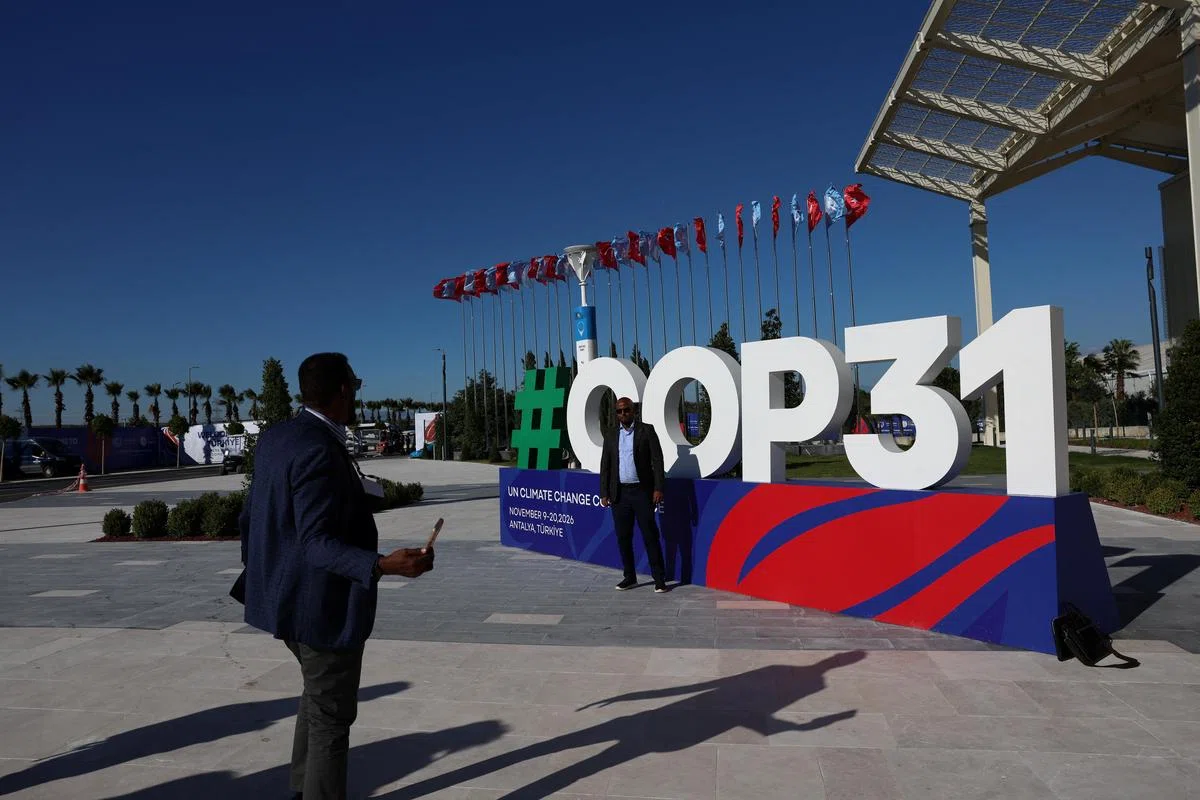
Researchers identified 70 methane plumes from 10 high-emitting waste sites in Turkiye ahead of the COP31 summit in Antalya.
 Climate Desk 2 min read
Satellite observations have identified 70 methane plumes from 10 of the highest-emitting waste sites in Turkiye. Average detected emission rates at these sites ranged from 841 kg to 7.4 metric tons per hour. Three sites were located around Istanbul, while others were near Ankara, Izmir, and Antalya.
The analysis, conducted by researchers at the University of California, Los Angeles, used public Carbon Mapper data from the Tanager-1 satellite between January 2025 and the end of May 2026. One site west of Istanbul near Seymen showed an average detected rate of about 7.4 tons an hour, which is just below the highest-emitting landfill on a 2025 global list.
Turkiye is the world's fifth-biggest emitter of methane from solid waste, behind China, the United States, Russia, and Brazil. Methane is the largest cause of climate change after carbon dioxide and is over 80 times more potent than CO2 in its first 20 years in the air.
Tia Scarpelli, waste sector lead for Carbon Mapper, said cutting landfill methane requires diverting organic material before it reaches dumps and improving capture rates. Addressing the largest landfills could deliver disproportionate gains for national emissions.
In response to a request for comment, Turkiye's Environment Ministry said the data were not from continuous measurements and could not be used to measure annual emissions at the Seymen landfill. The ministry said the national waste recovery rate rose to 37.53% in 2025 from 13% in 2017 through its Zero Waste Initiative.
At the Seymen landfill, municipal operator ISTAC collects gas from decomposing organic material, while an energy company burns the gas to generate electricity. ISTAC official Aysen Erdincler said methane leaks at the site are usually around 25%. ISTAC head Fatih Ugur said about 30 hectares of the landfill had been left uncovered on the day of a specific measurement while work was carried out on methane-collection pipes.
Key facts
- Turkiye is the world's fifth-biggest emitter of methane from solid waste.
- Satellite observations identified 70 methane plumes from 10 high-emitting waste sites in Turkiye.
- The Seymen landfill near Istanbul showed an average detected emission rate of about 7.4 tons per hour.
Three perspectives
Neutral
Satellite observations identified 70 methane plumes from 10 high-emitting waste sites in Turkiye, while the Environment Ministry stated the data were not from continuous measurements.
Positive
Turkiye's Zero Waste Initiative has increased the national waste recovery rate from 13% in 2017 to 37.53% in 2025.
Negative
Methane emissions from waste in Turkiye rose nearly 25% in the decade to 2024, compared to a global rise of 6.5% over the same period.
Your week in news, every Wednesday
The biggest stories of the week for your edition, in your inbox every Wednesday morning, your time. Free, and you can unsubscribe at any time.