

Rich nations lack clear climate finance targets as Cop31 begins in Turkey
Many governments have not set targets for providing climate finance beyond next year, leaving developing countries struggling to plan and attract private investment.
 Climate Desk 2 min read
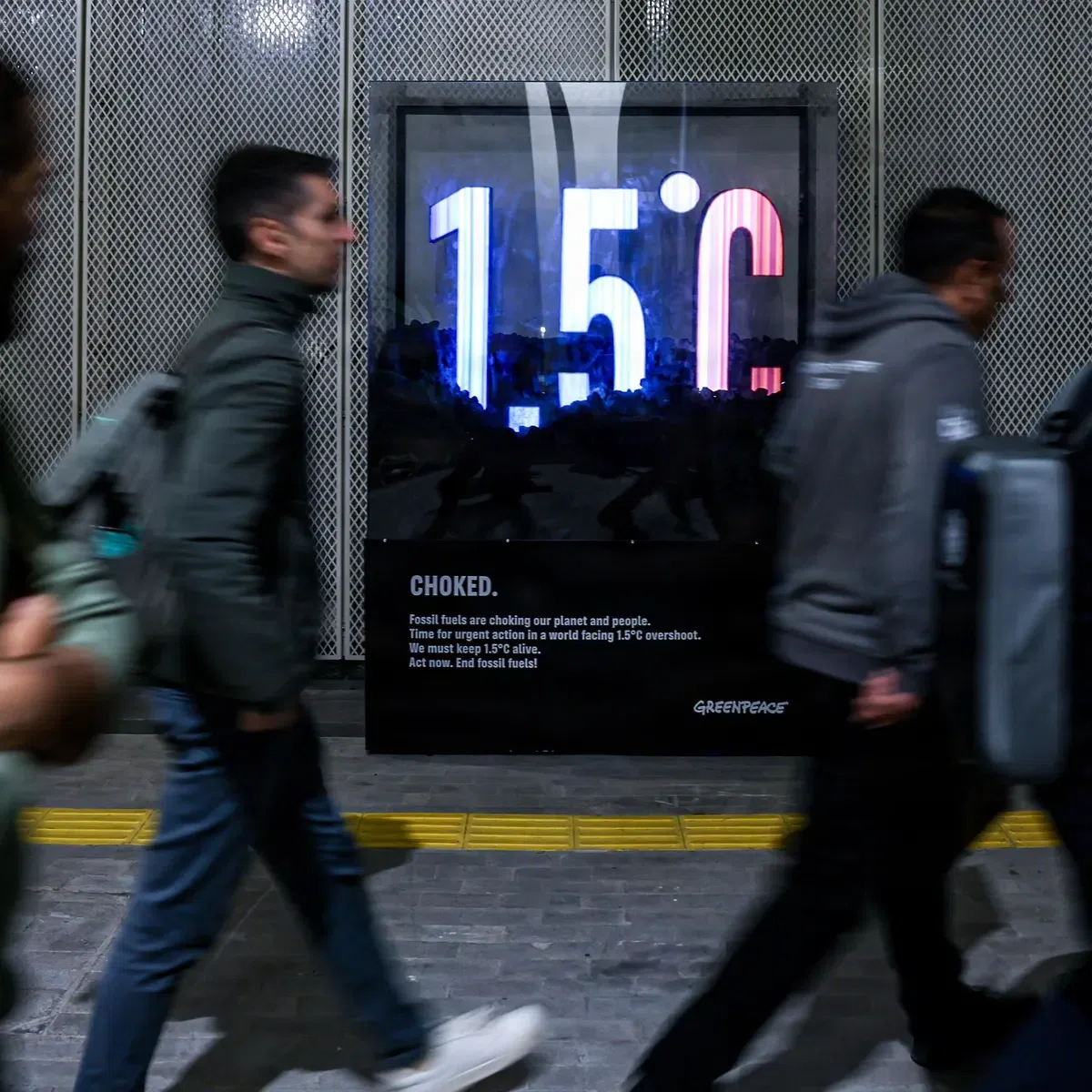
Many governments have yet to set targets for climate finance, leaving recipient countries struggling to plan and attract private investment. This gap is damaging because recipient countries cannot plan and it is harder for them to attract private sector investment to supplement public sector money. Climate finance is a vexed topic at the Cop31 talks, which began on Monday in Antalya, Turkey.
Poor countries are supposed to receive $300bn a year from the governments of industrialised nations by 2035, along with about $1tn from other sources, to help them cope with extreme weather and shift to a low-carbon future. By 2030, they should be providing about $229bn a year, with multilateral development banks providing about $185bn of that.
France, Germany, and Australia are among the major countries that have yet to publicly state new climate finance goals. A spokesperson for France’s AFD aid agency said its strategy sets targets of €6 billion in climate finance per year and €800 million per year for biodiversity for the 2025–2027 period. Japan said it is fully committed to its obligations under the Paris Agreement and is actively providing support, though it does not plan to announce new financial pledges at present.
If countries fail to implement any new climate finance after current targets expire, the developing world could face cuts of 70% in bilateral finance from the rich world. However, Thwaites said this is highly unlikely as most countries would come forward with new commitments soon.
Key facts
- Poor countries are intended to receive $300bn a year from industrialised nations by 2035.
- By 2030, climate finance should be approximately $229bn a year.
- France's AFD aid agency targets €6 billion in climate finance per year for the 2025–2027 period.
Three perspectives
Neutral
Many governments have not yet set out targets and plans for providing climate finance beyond the end of this year or next.
Positive
Japan is actively providing support to developing countries through the Japan International Cooperation Agency and international organisations.
Negative
The lack of set targets leaves recipient countries struggling to plan and makes it harder to attract private sector investment.
Your week in news, every Wednesday
The biggest stories of the week for your edition, in your inbox every Wednesday morning, your time. Free, and you can unsubscribe at any time.