

 Iceland
 urged to support polar fuels regulation to cut black carbon
Canada, Iceland and Norway are encouraged to co-sponsor a proposal to replace heavy fuel oils in Arctic shipping before a November 20 deadline.
 Climate Desk 2 min read
Iceland, Canada and Norway should co-sponsor a polar fuels proposal ahead of a November 20 deadline to control black carbon emissions. The proposal, put forward by Denmark, Germany, France and the Solomon Islands, aims to replace heavy fuel oils in Arctic shipping with cleaner alternatives.
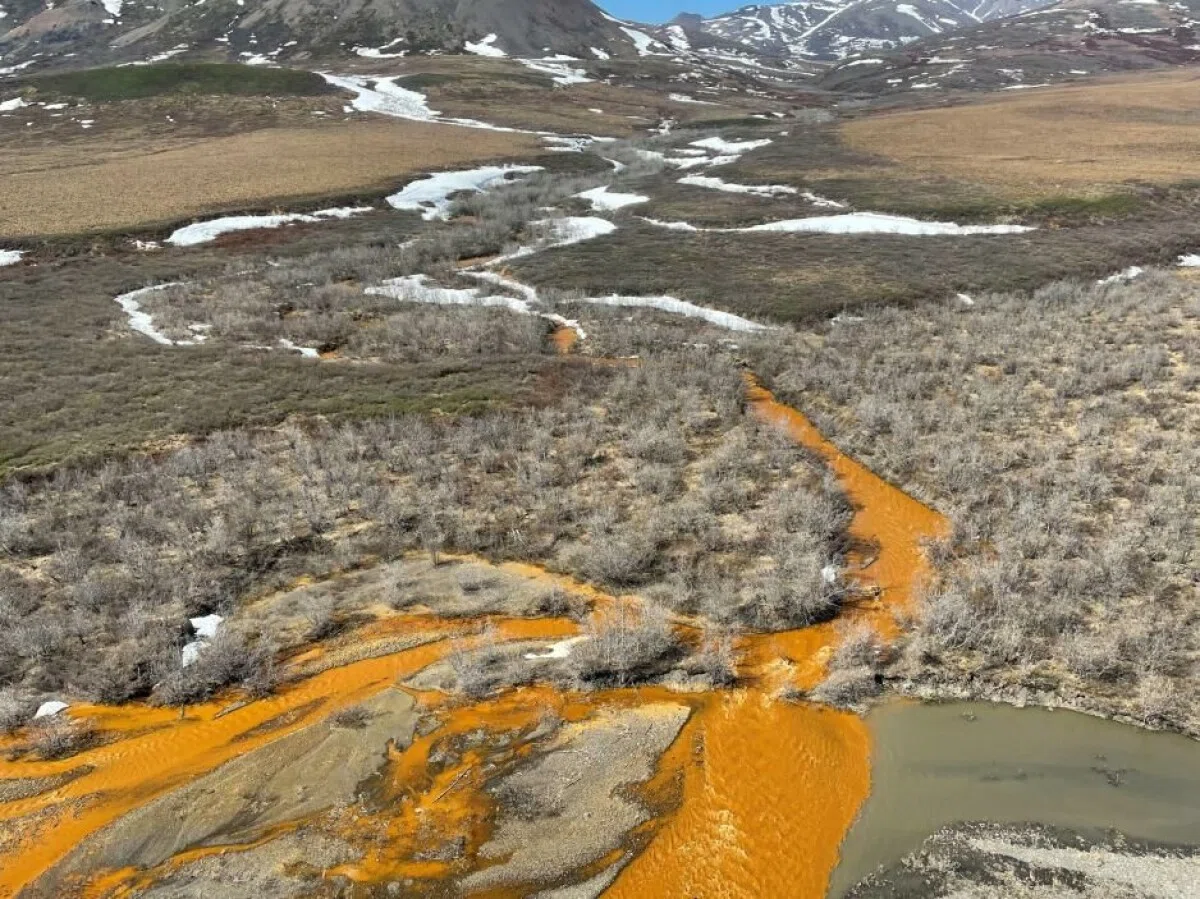
Black carbon, or soot, is emitted from burning marine fuels, particularly heavy fuel oils used in Arctic shipping. This pollutant settles on icy land and seascapes, where it absorbs solar heat and accelerates the melting of sea ice and permafrost. The Arctic is warming four times faster than anywhere else on Earth.
The European Commission President Ursula von der Leyen announced the launch of the EU Arctic Strategy on October 20. The EU intends to contribute to negotiations at the International Maritime Organization to move black carbon measures from voluntary guidelines to binding regulations. As Arctic countries with strong EU ties, Canada, Iceland and Norway should pay close attention.
Cutting shipping emissions of black carbon can have a rapid impact on the regional and global climate by helping preserve land and sea ice. The proposal is gaining support ahead of a meeting of the International Maritime Organization’s Pollution Prevention and Response Committee in January.
The September UNEP Overshoot & Cryosphere report highlighted that near-term global responses require deep emissions cuts, including to methane and other short-lived climate pollutants like black carbon. Cutting these short-lived climate forcers is an urgent measure to limit overshoot and return to 1.5C and below.
Key facts
- The Arctic is warming four times faster than any other place on Earth.
- Denmark, Germany, France and the Solomon Islands have proposed a polar fuels regulation at the International Maritime Organization.
- A deadline for co-sponsoring the polar fuels proposal is November 20.
Three perspectives
Neutral
The International Maritime Organization is considering a polar fuels proposal to replace heavy fuel oils in Arctic shipping.
Positive
Slashing shipping emissions of black carbon will have a rapid and positive impact on the regional and global climate by helping preserve land and sea ice.
Negative
Black carbon acts as a health hazard and accelerates the melting of land and sea ice by absorbing solar heat when it settles on icy landscapes.
Your week in news, every Wednesday
The biggest stories of the week for your edition, in your inbox every Wednesday morning, your time. Free, and you can unsubscribe at any time.