

LFA faces decision on AFCON tournament cycle
President Mustapha Raji must recommend whether the Africa Cup of Nations should stay on a two-year cycle or move to a four-year format by Wednesday afternoon.
 Sport Desk 2 min read
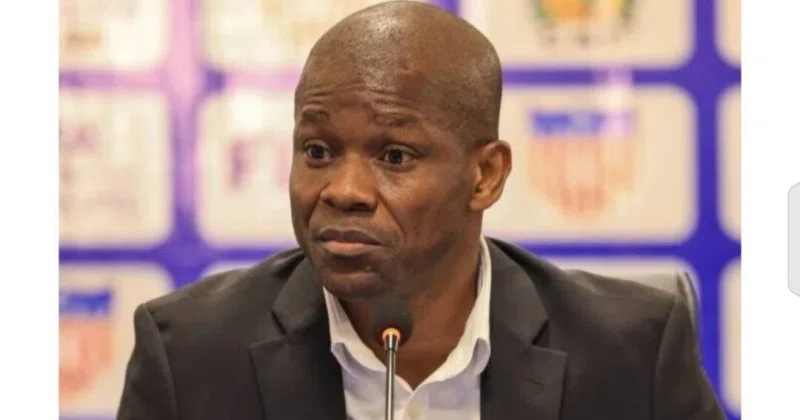
Liberia Football Association (LFA) President Mustapha Raji and his Executive Committee face a decision on the future of the Africa Cup of Nations (AFCON). The Confederation of African Football (CAF) has requested Liberia's official position on whether the tournament should keep its traditional two-year cycle or move to a four-year format.
CAF Acting General Secretary Samson Adamu sent an official communication on October 23, 2026, requesting the LFA recommendation. The deadline for submission to the governing body in Cairo, Egypt, is 1:00 p.m. on Wednesday, October 28.
The debate involves how CAF can sustain finances, protect commercial value, and reduce pressure on the international football calendar. CAF previously considered a four-year cycle to align with the expanded FIFA World Cup. Supporters of the four-year format argue it could enhance tournament prestige and ease fixture congestion for players.
For Liberia, the decision has financial and sporting implications. Maintaining AFCON every two years could provide more frequent financial distributions and competitive exposure for the Lone Star. A shift to a four-year cycle could reduce the frequency of AFCON-related revenue and require finding alternative funding for grassroots programmes and domestic leagues.
Raji serves as LFA president and is a member of the CAF Executive Committee. His recommendation could contribute to wider deliberations, although the final decision rests with CAF's governing structures.
Key facts
- CAF requested Liberia's position on the AFCON tournament cycle by 1:00 p.m. on Wednesday, October 28.
- The debate concerns moving AFCON from a two-year cycle to a four-year format.
- LFA President Mustapha Raji is a member of the CAF Executive Committee.
Three perspectives
Neutral
The LFA must decide whether to support a two-year or four-year cycle for the Africa Cup of Nations.
Positive
A two-year cycle could provide more frequent financial distributions and regular opportunities for the Lone Star to pursue qualification.
Negative
A four-year cycle could reduce the frequency of AFCON-related revenue and require national associations to find alternative funding for youth competitions and domestic leagues.
Your week in news, every Wednesday
The biggest stories of the week for your edition, in your inbox every Wednesday morning, your time. Free, and you can unsubscribe at any time.