

 South Africa
Gauteng malaria cases spike following regional floods
More than 400 infections and 11 deaths were recorded in Gauteng during the first three months of 2026, largely attributed to imported cases from flood-hit endemic areas.
 Health Desk 2 min read
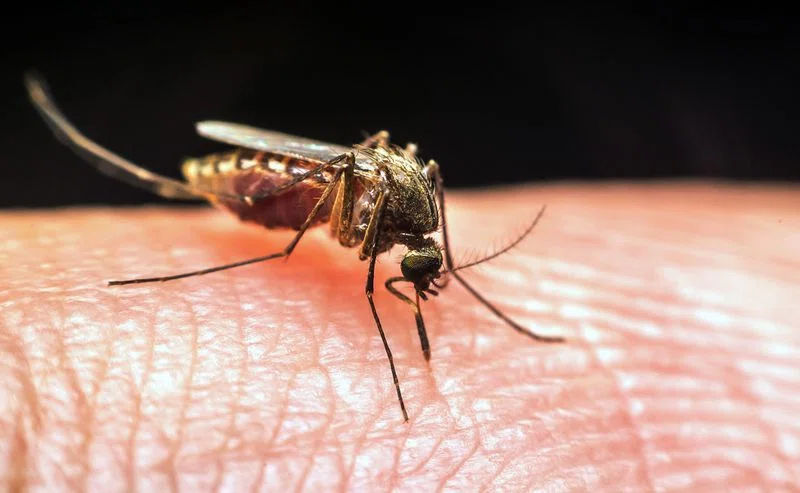
Gauteng recorded 414 malaria cases in the first quarter of 2026, representing an 80% increase compared to the total number of cases in the entire previous year. At least 11 people died from the infection during this period.
The spike has been attributed to people visiting neighbouring provinces and countries soon after severe January 2026 floods hit large parts of southern Africa. Heavy rain in December 2025 and floods in January 2026 in northern South Africa, including Kruger National Park and Mozambique, left pools of water that created increased mosquito breeding habitats.
Professor Tiaan de Jager, the founding director of the University of Pretoria's Institute for Sustainable Malaria Control, said the high number of cases in Johannesburg and Pretoria came as a shock because the disease is not endemic to the province. Most cases were imported from flood-hit endemic areas.
Many infected people complained of flu-like symptoms and did not realise they had malaria until much later. This delay in diagnosis and treatment contributed to the 11 deaths. De Jager noted that the National Institute for Communicable Diseases has confirmed there is no established local transmission in Gauteng.
Malaria cases also rose by 355% in Mpumalanga, by 68% in Namibia, and by more than 50% in Mozambique over the same period. The National Institute for Communicable Diseases warns that untreated infection can progress to severe malaria, which is often fatal and associated with major organ failure and central nervous system shutdown.
De Jager urged residents to seek medical advice if they develop symptoms such as fever, nausea, headaches, diarrhoea, muscle weakness or lethargy. It is recommended that anyone with a flu-like illness be tested for malaria after visiting a malaria risk area.
Key facts
- Gauteng recorded 414 malaria cases in the first quarter of 2026.
- The spike in Gauteng cases was linked to travel to endemic areas following severe floods in January 2026.
- At least 11 people died from malaria in Gauteng during the first three months of 2026.
Three perspectives
Neutral
The increase in Gauteng malaria cases is attributed to imported infections from endemic regions following heavy rainfall and flooding in southern Africa.
Positive
Professor Tiaan de Jager urged residents to seek medical advice if they develop symptoms like fever or nausea to assist with diagnosis.
Negative
At least 11 people died in Gauteng because malaria was mistaken for the flu, leading to late diagnosis and treatment.
Your week in news, every Wednesday
The biggest stories of the week for your edition, in your inbox every Wednesday morning, your time. Free, and you can unsubscribe at any time.