

Unseasonal rainfall in Delhi-NCR and northern states raises disease risks
Health experts warn of increased threats from dengue, malaria, and water-borne infections due to stagnant water and contaminated drinking water.
 Health Desk 2 min read
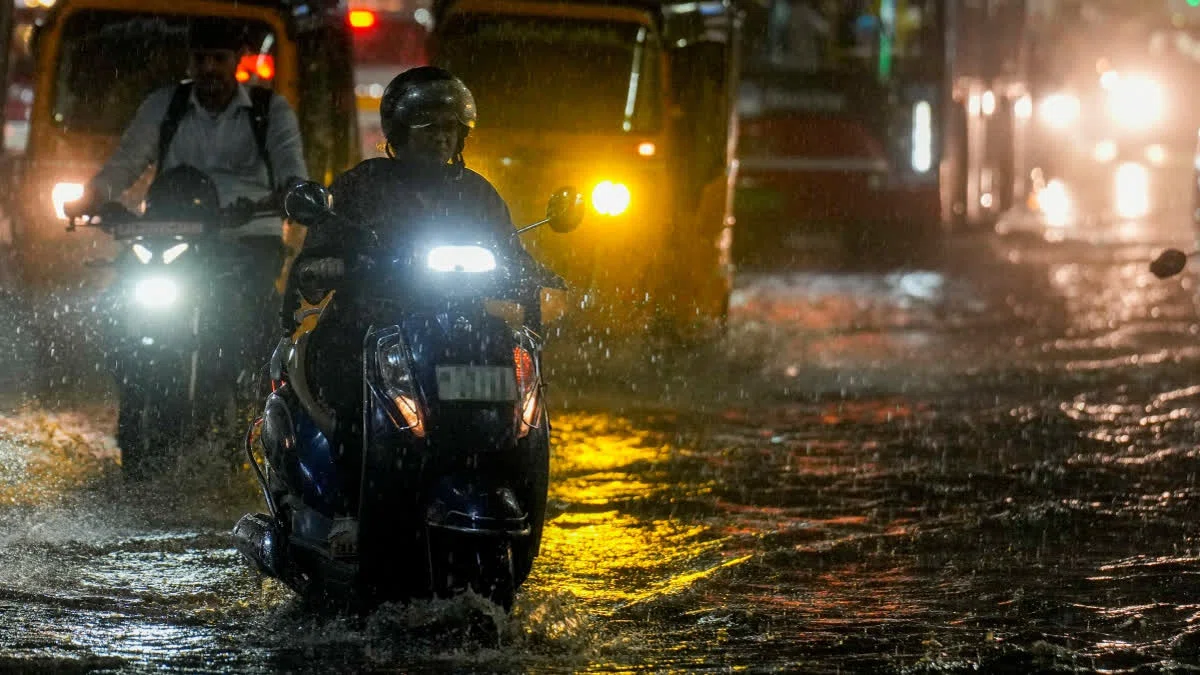
Unseasonal rainfall across the Delhi-National Capital Region (NCR) and other northern states has brought threats of vector-borne and water-borne diseases. These include dengue, malaria, chikungunya, leptospirosis, typhoid, and diarrhoeal infections.
Dr Tarun Kumar, Associate Director of Interventional Cardiology at Medanta Hospital, said intermittent rainfall could create a combination of low temperatures, high humidity, and damp indoor environments. These conditions may increase the risk of respiratory infections and worsen existing heart and lung diseases, particularly for older adults and people with diabetes, hypertension, asthma, or coronary artery disease.
Stagnant water can serve as a breeding ground for mosquitoes, increasing the likelihood of dengue, malaria, and chikungunya transmission. Contact with contaminated floodwater can also expose people to leptospirosis, especially when the water touches cuts or mucous membranes.
Dr Itishree Gupta, a Plastic and Reconstructive Surgeon, warned that the critical phase of dengue may begin as the fever subsides. She noted that warning signs such as severe abdominal pain, bleeding, and reduced urine output are particularly concerning. She also advised against self-medication, specifically consuming aspirin and ibuprofen when dengue is suspected.
Dr Meet Ghonia, a Pulmonologist and National General Secretary of the Federation of Resident Doctors’ Association (FORDA), advised using mosquito repellents, drinking boiled or properly treated water, and maintaining hand hygiene. He also stressed the importance of keeping indoor spaces adequately ventilated to reduce respiratory health risks.
Health experts have urged people to remain alert to symptoms such as persistent fever, severe body aches, vomiting, diarrhoea, rashes, and reduced urine output. They emphasized the importance of timely medical attention, mosquito control, safe drinking water, and proper sanitation.
Key facts
- Unseasonal rainfall in Delhi-NCR and northern states increases risks of dengue, malaria, and typhoid.
- Stagnant water and contaminated drinking water pose additional health risks.
- Doctors advise against self-medicating with aspirin or ibuprofen if dengue is suspected.
Three perspectives
Neutral
Unseasonal rainfall across Delhi-NCR and northern states has increased the risk of various vector-borne and water-borne diseases.
Positive
Preventive measures include using mosquito repellents, drinking safe water, and maintaining hand hygiene.
Negative
Stagnant water and contaminated floodwater can lead to infections like leptospirosis, dengue, and diarrhoeal diseases.
Your week in news, every Wednesday
The biggest stories of the week for your edition, in your inbox every Wednesday morning, your time. Free, and you can unsubscribe at any time.