

 United Kingdom
Experts warn of system failures after suspected plague death in Russia
The death of a lab worker in Irkutsk has raised questions about international health regulations and the sharing of pathogens.
 Random News Desk 2 min read
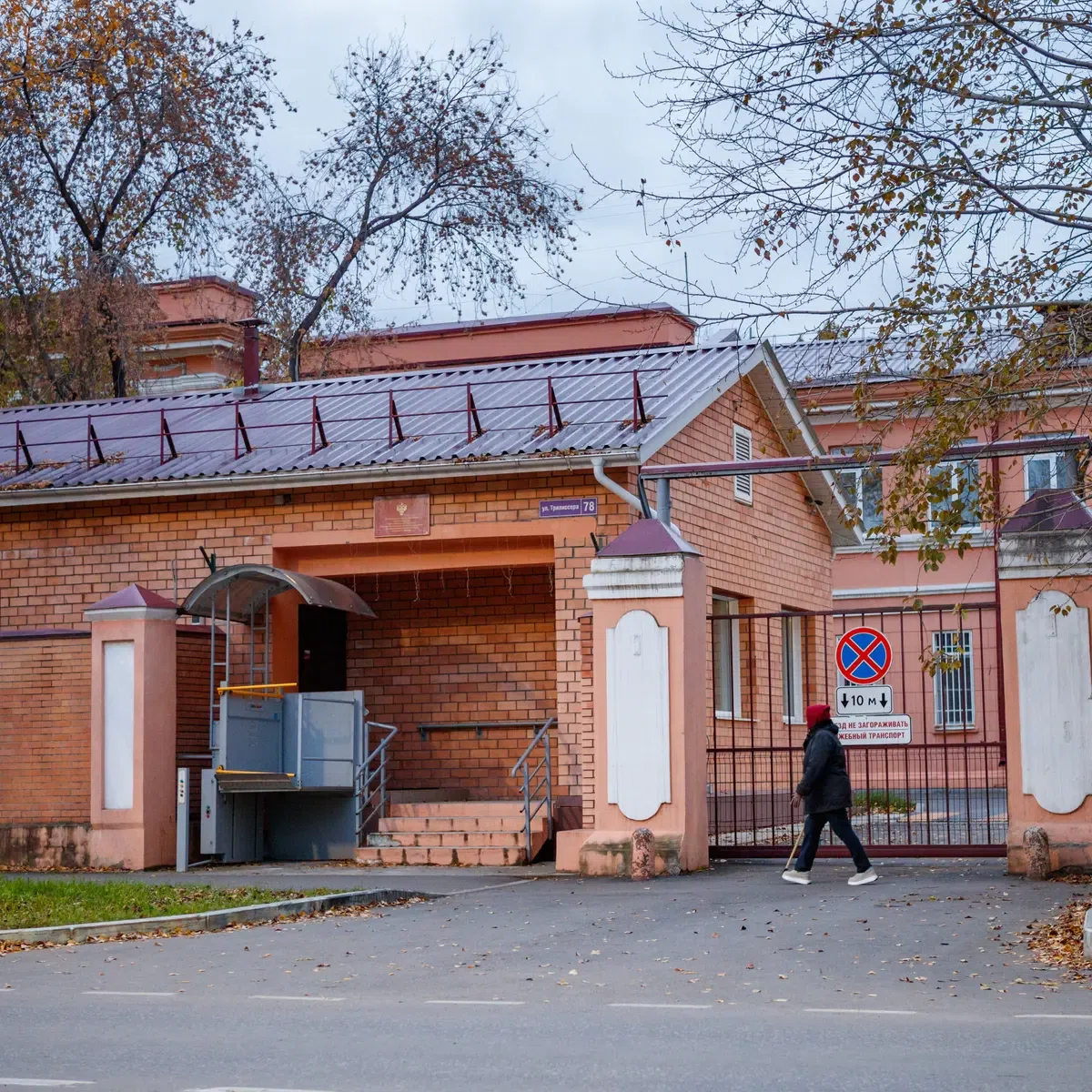
A 28-year-old employee at the Irkutsk Anti-Plague Institute of Siberia and the Far East died from a mysterious illness, prompting international concern over transparency.
While a local Russian official linked the death to the plague, Moscow stated that no case of plague has been registered recently in the Irkutsk region.
Russian authorities determined the patient died from pneumonia of undetermined etiology and concluded there is no epidemic risk in the region.
The World Health Organization said it first learned of the death through media reports rather than from Russian health authorities.
Under International Health Regulations, countries must notify the WHO of certain public health emergencies within 24 hours, but Russia took three days to respond to a request for information.
Kent Buse, Co-CEO of Global 50/50, said the lack of information is a worry, while Dr Darren Mann noted that the current system for sharing pathogens is stalled due to disagreements over vaccine and treatment access.
Key facts
- A lab worker died at the Irkutsk Anti-Plague Institute of Siberia and the Far East.
- Russia took three days to respond to a WHO request, despite rules requiring notification within 24 hours.
- The pathogen-sharing annex to the WHO pandemic agreement has been deferred to 2027.
Three perspectives
Neutral
Moscow stated the death was due to pneumonia of undetermined etiology and that no plague cases have been registered in the region.
Positive
The WHO requested information on 3 October to verify reports and assess the potential scale of the threat.
Negative
The WHO learned of the death through media reports rather than from Russian health authorities.
Your week in news, every Wednesday
The biggest stories of the week for your edition, in your inbox every Wednesday morning, your time. Free, and you can unsubscribe at any time.