

Health experts warn of long-term respiratory and heart damage from air pollution
Prolonged exposure to PM2.5 can cause DNA damage, reduce lung function, and increase risks for children, young adults, and senior citizens.
 Health Desk 2 min read
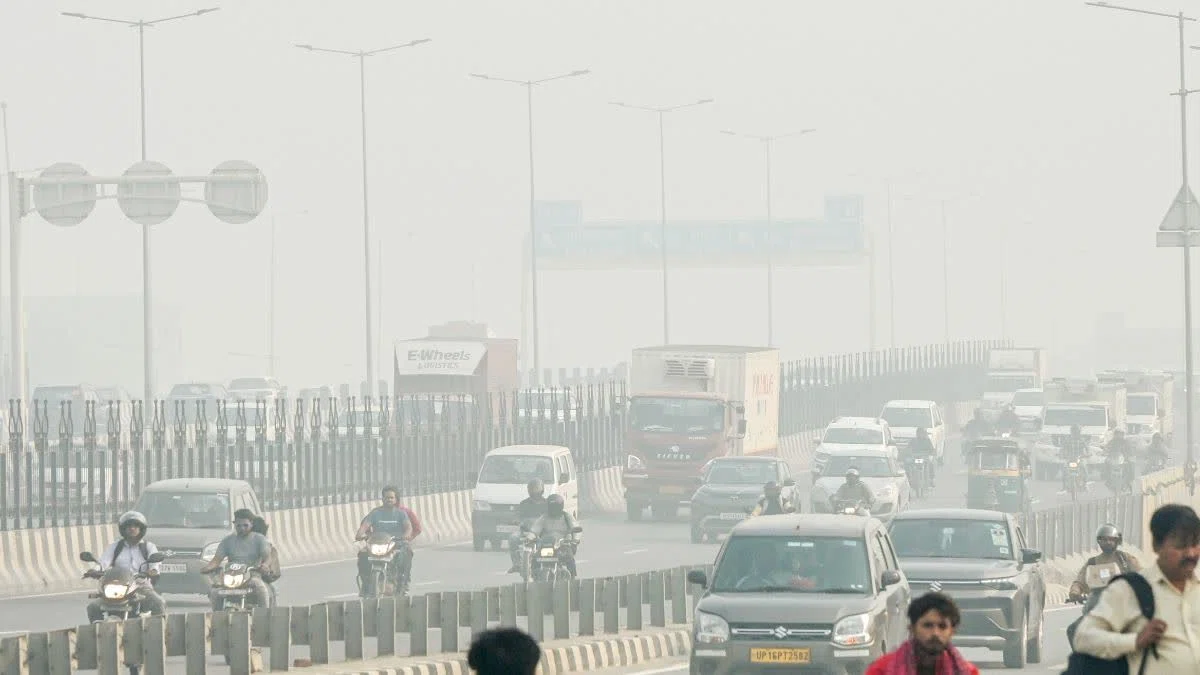
Health experts warn that prolonged smog exposure in Delhi-NCR can cause damage beyond coughing and throat irritation. Fine particulate matter, specifically PM2.5, can lead to chronic inflammation, reduced lung function, and increased cardiovascular complications.
Children are particularly vulnerable because their lungs and immune systems are still developing. Paediatricians say children breathe more air relative to their body weight than adults and often spend time outdoors. Dr R V Asokan, a paediatrician and former president of the Indian Medical Association (IMA), said air pollution in childhood stunts lung growth and prevents lungs from reaching full capacity. He advised parents to watch for frequent wheezing, night cough, breathlessness during play, and multiple chest infections per year.
Pulmonologist Dr Ankit Bhatia said long-term exposure can decrease lung function at a high rate compared to a normal person. While natural lung function decreases slightly every year, patients with repeated infections can see a decrease of 100 to 200 ml every year. Dr Bhatia also stated that prolonged damage from these particles can cause DNA damage, which can lead to lung cancer.
Senior citizens and those with existing conditions like asthma, COPD, diabetes, and heart disease face acute risks. For individuals with COPD and heart problems, pollutants can aggravate symptoms and increase the likelihood of respiratory failure. Dr Srinath said elderly people, diabetics, and those with hypertension are at higher risk because their blood vessels are already vulnerable.
The Union Health Ministry has asked states and Union Territories to increase surveillance and tracking of pollution-related illnesses. The ministry outlined a framework for screening, early diagnosis, clinical management, and follow-up care for affected patients. Dr Srinath advised high-risk people to avoid unnecessary outdoor activities and monitor blood pressure and sugar levels regularly during severe pollution.
Key facts
- A 2024 study in The Lancet Planetary Health estimated 3.8 million deaths in India between 2009 and 2019 were linked to air pollution.
- Repeated infections from pollutants can cause lung function to decrease by 100 to 200 ml every year.
- The Union Health Ministry has requested states and Union Territories to step up tracking of pollution-related illnesses.
Three perspectives
Neutral
Health experts are monitoring the impact of PM2.5 exposure on various age groups in the Delhi-NCR region.
Positive
The Union Health Ministry has outlined a comprehensive framework for the screening, diagnosis, and clinical management of patients affected by air pollution.
Negative
Prolonged exposure to toxic air can cause DNA damage, leading to lung cancer and significant reductions in lung capacity.
Your week in news, every Wednesday
The biggest stories of the week for your edition, in your inbox every Wednesday morning, your time. Free, and you can unsubscribe at any time.