

6,800 Myanmar refugees enter Thai labor market in first year of state program
Thai authorities issued work permits to refugees from border camps to address labor shortages, though rights groups report issues with contracts and pay.
 Business Desk 2 min read
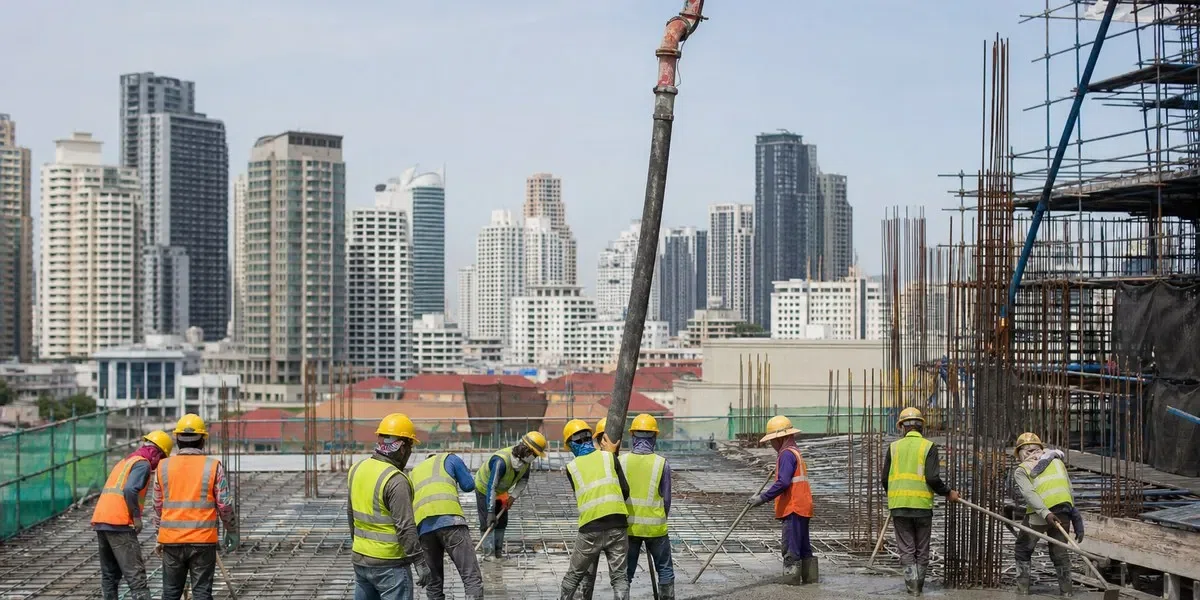
The Thai government reported that 6,800 refugees from Myanmar entered the country's labor market during the first year of a state program. These individuals lived in camps along the Thai-Myanmar border. Authorities began issuing permits to work outside the camps in October 2025 following a labor shortage and a reduction in international humanitarian aid.
More than 100,000 people live in nine camps on the Thai-Myanmar border, with some residents having lived there since the 1980s. Before the program launched, the Thai government did not allow camp residents to leave for employment, leaving most dependent on foreign donor aid. Refugees can now work in 43 of Thailand's 76 provinces in any sector not reserved exclusively for citizens.
Thailand's Ministry of Foreign Affairs said vocational training in the camps has been improved to prepare people for work outside. Ray Bo, 31, moved from a camp to Bangkok and works on the construction of a 12-story residential building. He receives 400 baht per day for pouring concrete and installing scaffolding to help his family pay for food, basic necessities, and medical care for his parents.
Human rights and labor organizations supported the program but reported implementation problems. Some refugees were not provided with employment contracts, and conditions, workload, or pay sometimes differed from what was promised. Activists also noted a lack of a clear mechanism for filing and reviewing complaints.
Representatives of the International Detention Coalition and the Karen Women’s Organization said some workers had costs for medical examinations, state permits, and travel deducted from their wages. They called for detailed contracts translated into languages spoken in the camps and for the vetting of job intermediaries.
Akwa, a father of two, said he and a group of refugees went to harvest sugarcane for 250 baht per day in November 2025. Instead, they were offered work cutting eucalyptus trees for 200 baht and had to live outdoors without electricity. The group left the job after three months. Thailand's ministries of foreign affairs, labor, and interior did not respond to requests for comment on these claims.
Key facts
- 6,800 Myanmar refugees from border camps entered the Thai labor market in the first year of a state program.
- Authorities began issuing work permits to camp residents in October 2025.
Three perspectives
Neutral
Thailand's government reported 6,800 refugees entered the labor market through a new state program, while rights groups reported implementation issues.
Positive
Thailand's Ministry of Foreign Affairs stated that vocational training in the camps has been improved to better prepare refugees for work.
Negative
Rights organizations and workers reported problems including missing contracts, wage deductions for permits, and discrepancies in promised pay and working conditions.
Your week in news, every Wednesday
The biggest stories of the week for your edition, in your inbox every Wednesday morning, your time. Free, and you can unsubscribe at any time.