

 United Kingdom
Kati Thanda-Lake Eyre transformed by heavy monsoon rains
A prodigiously wet monsoon season has brought damaging floods to parts of Australia, but has transformed Kati Thanda-Lake Eyre in a way not seen in decades.
 Climate Desk 2 min read
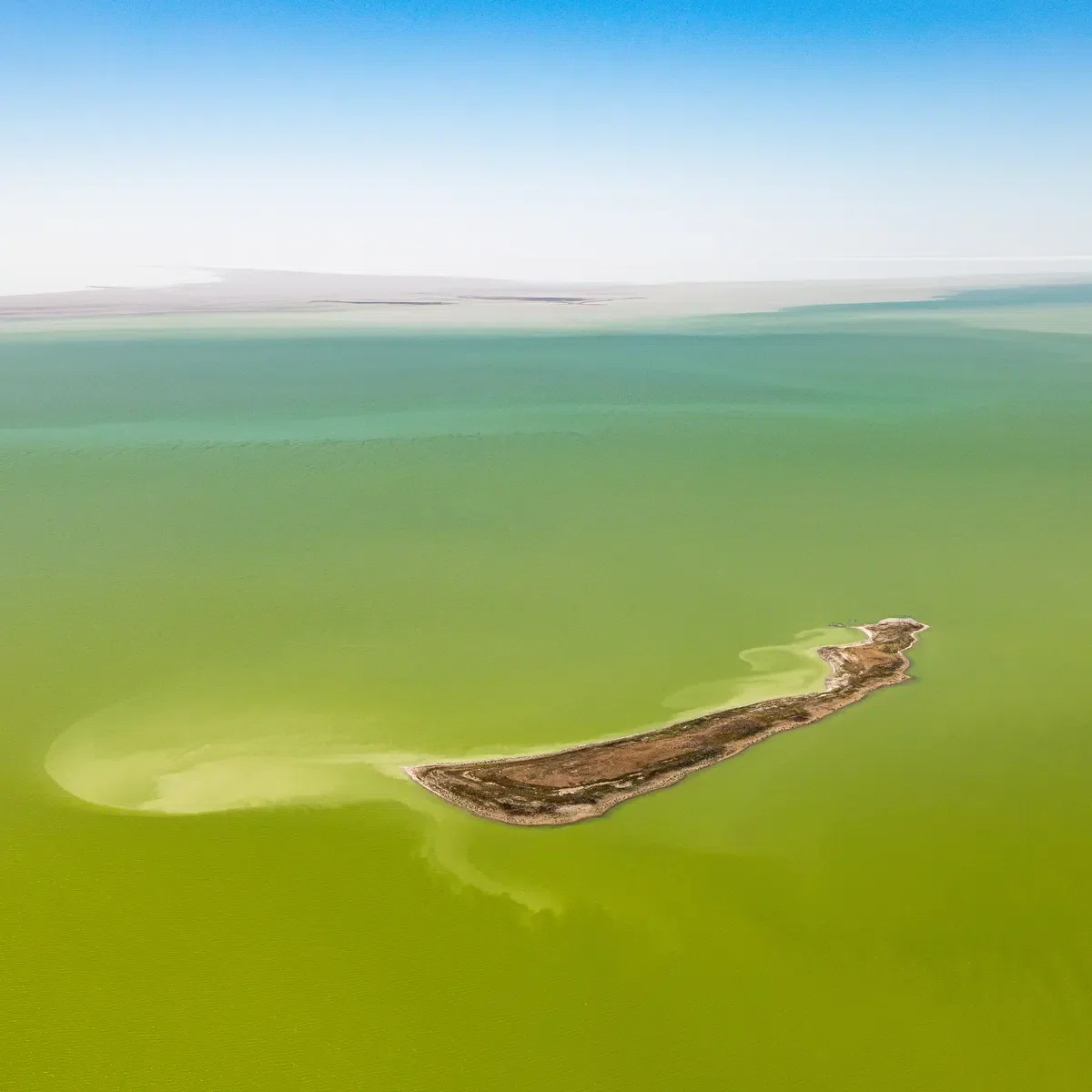
A prodigiously wet monsoon season has brought damaging floods to parts of Australia, but has transformed Kati Thanda-Lake Eyre in a way not seen in decades. Rainfall nearly 50% above the long-term average caused havoc, killing livestock and cutting outback tracks, some of which remain underwater.
The rains filled three major river systems, the Georgina, the Diamantina and Cooper Creek, which run to Kati Thanda-Lake Eyre. Local rainfall, which persisted between March and August, added to the flow. The result is that the centre of the continent is being transformed in a way that hasn't happened since 1974.
The desert is currently blanketed in plant life, including sandhill wattle, saltbush, lignum, grasses and desert flowers. Vegetation is thickest along hundreds of twisting rivers and creeks that carry water from the monsoon season in western Queensland.
Kati Thanda is Australia's largest lake by surface area, stretching 144km in length and 77km in width to cover about 9,500 sq km. It includes the country's lowest point, about 15 metres below sea level. The lake is endorheic, meaning the water it collects has nowhere to drain.
The high salt content of the lake will eventually cause it to become as much as seven times saltier than the Coral Sea as evaporation kicks in. In the lake's south-eastern corner, small pockets in the Madigan Gulf have already reached a strawberry sheen caused by bacteria and algae that relish the salt.
The influx of water kicks off a food chain that results in the return of fish, such as spangled perch, bony bream and hardyhead species. An aerial survey in early October found a flock of about 800 adult pelicans and nearly fledged young.
Key facts
- Rainfall was nearly 50% above the long-term average.
- The lake covers approximately 9,500 sq km.
Three perspectives
Neutral
The monsoon season has filled the Georgina, Diamantina and Cooper Creek river systems, flowing into Kati Thanda-Lake Eyre.
Positive
The water influx has triggered the return of fish species and birdlife to the region.
Negative
The heavy rainfall caused havoc by killing livestock and cutting outback tracks.
Your week in news, every Wednesday
The biggest stories of the week for your edition, in your inbox every Wednesday morning, your time. Free, and you can unsubscribe at any time.