

Vanuatu launches three national disaster preparedness documents
The Ministry of Climate Change introduced new frameworks for tropical cyclones, drought, and volcanic emergencies to improve early action and coordination.
 Climate Desk 3 min read
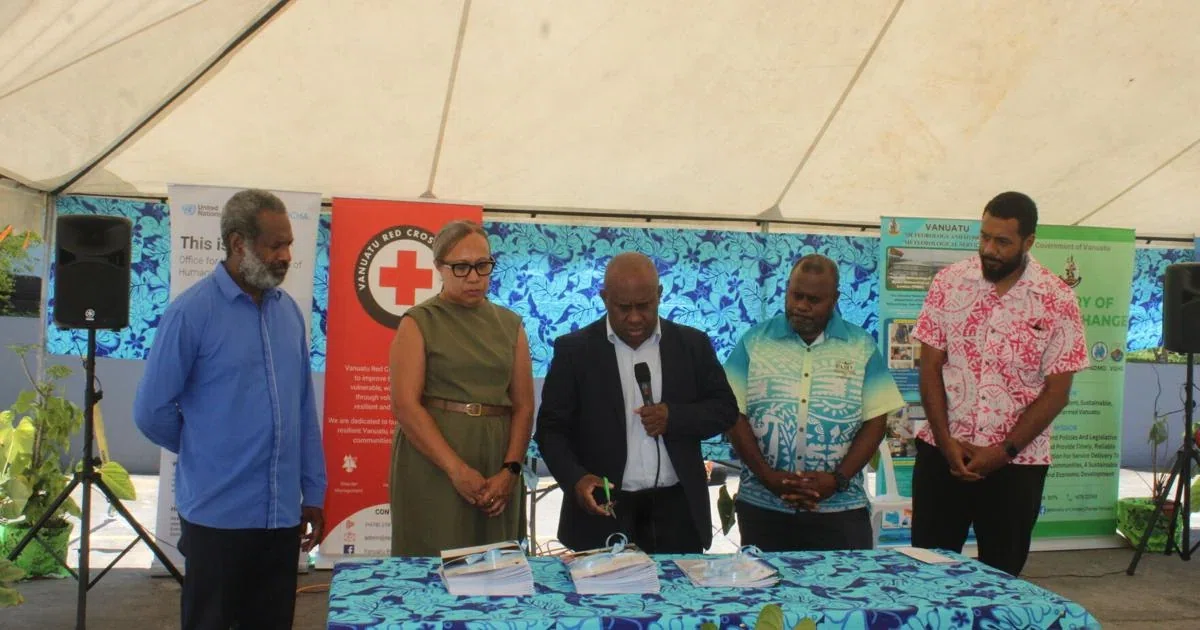
The Government of Vanuatu has launched three national disaster preparedness documents to strengthen the country's ability to anticipate, prepare for, and respond to tropical cyclones, drought, and volcanic emergencies. The Ministry of Climate Change launched the documents on Friday, October 30. These include the Vanuatu Anticipatory Action Framework for Tropical Cyclones, the National Drought Contingency Plan, and the National Volcano Contingency Plan.
The documents aim to improve coordination between government agencies, humanitarian organisations, and development partners to ensure communities receive assistance before disasters strike. Director of the National Disaster Management Office (NDMO) Abraham Nasak said work on the documents began in December 2025 through national consultations and workshops involving technical experts and various partners. The process aimed to document existing early action mechanisms and establish clear procedures for different disaster situations.
The tropical cyclone framework establishes links between weather forecasts, early warning triggers, preparedness activities, and financing arrangements to allow support to reach at-risk communities before landfall. Planned measures include early warnings, evacuation support, shelter preparedness, cash assistance, health, water, sanitation, and hygiene interventions, and protection services for vulnerable groups. Mr. Nasak said the Anticipatory Action Framework is about acting before the impact of a disaster through early mobilisation and readiness.
The National Drought Contingency Plan provides a structured approach to managing drought by outlining how authorities move between levels of preparedness based on severity. Provincial Disaster and Climate Change Committees have already been activated to coordinate the current drought response, though the National Emergency Operations Centre remains inactive. Meanwhile, the National Volcano Contingency Plan establishes roles for agencies during volcanic emergencies. Mr. Nasak noted the plan is important as the Ambae and Ambrym volcanoes are both at Alert Level 3.
Director General of the Ministry of Climate Change David Gibson said Vanuatu continues to face risks from tropical cyclones, volcanic activity, drought, and other natural hazards that threaten lives, livelihoods, and food security. He said disaster management should focus on preparedness and anticipation rather than solely on responding to emergencies. Mr. Gibson said the approval of these documents demonstrates the government's commitment to strengthening resilience through evidence-based planning and improved decision-making.
Key facts
- The Ministry of Climate Change launched three disaster preparedness documents on October 30.
- The documents cover tropical cyclones, drought, and volcanic emergencies.
- Ambae and Ambrym volcanoes are currently at Alert Level 3.
Three perspectives
Neutral
The government has introduced new frameworks to coordinate responses to tropical cyclones, drought, and volcanic activity.
Positive
The new frameworks aim to ensure communities receive assistance and support before disasters strike.
Negative
Vanuatu continues to face natural hazards that threaten lives, livelihoods, infrastructure, and food security.
Your week in news, every Wednesday
The biggest stories of the week for your edition, in your inbox every Wednesday morning, your time. Free, and you can unsubscribe at any time.