

Climate-resilient water systems reach villages in Ghor and Nangarhar
More than 39,585 people across 19 villages in Ghor and Nangarhar provinces now have better access to safe water through UNICEF-established solar-powered systems.
 Climate Desk 2 min read
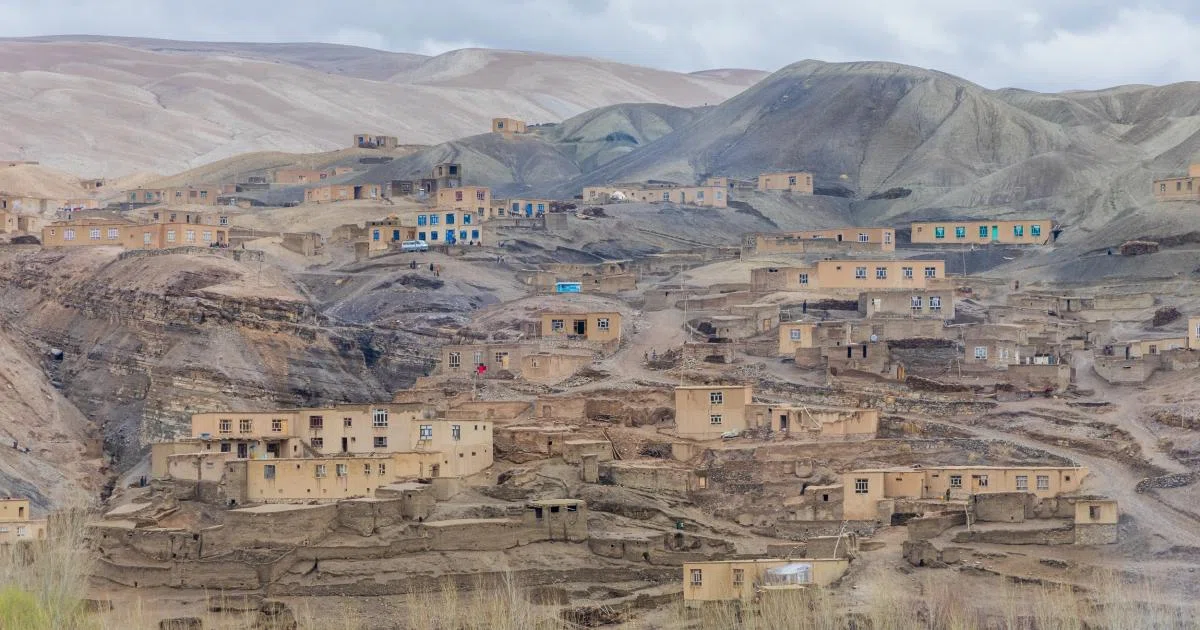
UNICEF has established climate-resilient water systems in several villages across Ghor and Nangarhar provinces to bring safe water closer to homes, schools, and communities. These systems, supported by the Government of the Republic of Korea, have provided better water access to more than 39,585 people in 19 villages.
In Jonobe Badgah village, a solar-powered borehole pumps water into an 80,000-litre storage tank located above the village. Water flows through pipes to nearby communities, providing safe water to over 3,150 people. Rohima, a local resident, said she never imagined water could be this close to her home and noted her children now have time to study and play.
At Badgah school, where more than 400 boys and girls study, safe water is available following a community request for an extension. Headteacher Mullah Gul Ahmad said that before the water was piped to the school, illness was common and hygiene standards were low. He stated that school attendance has since improved with fewer disruptions from water shortages.
In the village of Tagab Ghalmin, a solar-powered borehole pumps water into three elevated storage tanks with a combined capacity of 60,000 litres. This system provides water for more than 2,200 people in nearby communities. Twelve-year-old Humaira, who previously traveled by donkey to collect water, said the access has changed her life by giving her time for school and play.
Women and children often spent hours walking through rocky mountains to collect water that was sometimes dirty and unsafe for drinking or cooking. For girls like Farnoosh, these chores often meant missing school and playing with friends.
Key facts
- More than 39,585 people across 19 villages in Ghor and Nangarhar provinces have better access to safe water.
- A solar-powered borehole in Jonobe Badgah pumps water into an 80,000-litre storage tank for over 3,150 people.
- In Tagab Ghalmin, solar-powered systems provide water for more than 2,200 people using three storage tanks holding 60,000 litres.
Three perspectives
Neutral
UNICEF established climate-resilient water systems in Ghor and Nangarhar provinces with support from the Government of the Republic of Korea.
Positive
The new water systems have improved school attendance and hygiene while providing children more time to study and play.
Negative
Previously, families struggled with unreliable water sources, recurring droughts, and floods that impacted health and school attendance.
Your week in news, every Wednesday
The biggest stories of the week for your edition, in your inbox every Wednesday morning, your time. Free, and you can unsubscribe at any time.