 South Africa
Nobel Prize in Physics
Francis Halzen wins for IceCube Neutrino Observatory, detecting high-energy cosmic particles. The observatory uses a cubic kilometre of Antarctic ice to detect neutrinos from distant galaxies.
 Global Newsflix 2 min read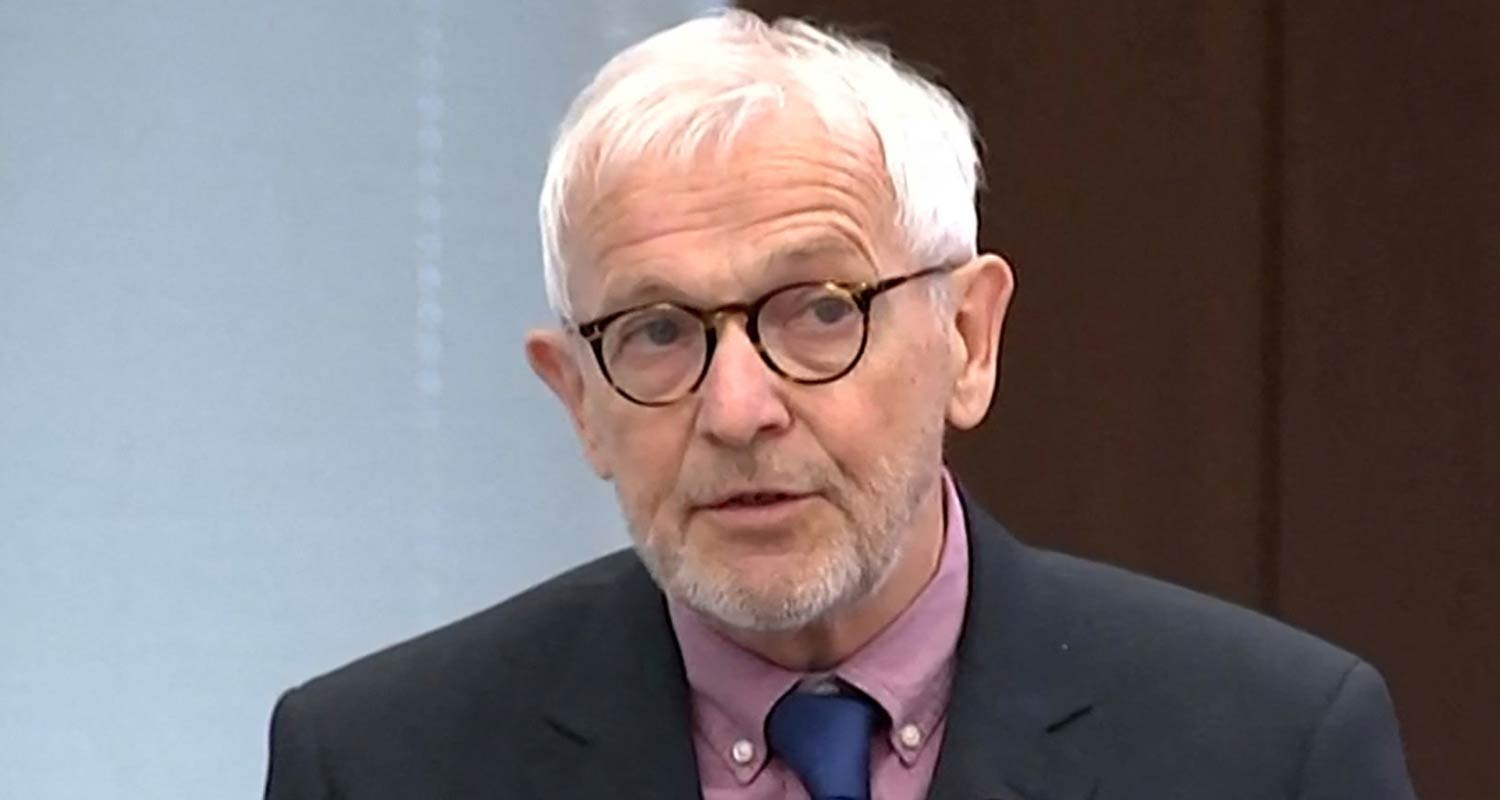
Francis Halzen has won the 2026 Nobel Prize in Physics for his work on the IceCube Neutrino Observatory. The Royal Swedish Academy of Sciences said his vision and scientific leadership were fundamental to the project.
Halzen led the development of IceCube at the South Pole, which uses thousands of sensors to detect high-energy neutrinos from violent processes in distant galaxies. He first presented his idea for the project in 1988.
The IceCube Neutrino Observatory is composed of thousands of sensors on long cables that are drilled and frozen into a 1km cubic block of ice. Neutrinos can be thought of as astronomical messengers that point to fundamental events in the universe.
When a neutrino interacts with the ice, it produces particles that give off a telltale flash of light. These rare signals carry clues to where the neutrinos came from and the extreme conditions that produced them.
Halzen said he was surprised his idea worked so well. He told a news conference that he was lucky and that few people thought the project would succeed, including himself.
The Nobel Prize in Physics is one of the discipline's highest distinctions. It has recognised discoveries that have fundamentally reshaped humanity's understanding of the universe.
The award ceremony will take place on December 10 in Stockholm, where King Carl XVI Gustaf will present the Nobel medals to the winners.
Key facts
- Francis Halzen wins 2026 Nobel Prize in Physics
- IceCube Neutrino Observatory detects high-energy cosmic particles
- Project uses a cubic kilometre of Antarctic ice
- Halzen first presented his idea for the project in 1988
Three perspectives
Neutral
The Nobel Prize in Physics has been awarded to Francis Halzen for his work on the IceCube Neutrino Observatory. The project has enabled scientists to track high-energy neutrinos from the farthest reaches of the universe. The award ceremony will take place in December.
Positive
Francis Halzen's work on the IceCube Neutrino Observatory has paved the way for a new kind of astronomy. His tenacity and scientific vision have provided a fantastic instrument for scientists to investigate places that ordinary telescopes cannot easily see.
Negative
Few people thought the IceCube Neutrino Observatory project would succeed, including Halzen himself. The project's success is a surprise, and it remains to be seen how it will impact our understanding of the universe.
Your week in news, every Wednesday
The biggest stories of the week for your edition, in your inbox every Wednesday morning, your time. Free, and you can unsubscribe at any time.