 Australia
ATO Credit Card Ban Hits Small Businesses
Small business owners are criticizing the Australian Taxation Office's decision to stop accepting credit card payments, citing cash flow concerns and increased costs. The ban is set to take effect on December 1.
 Global Newsflix 3 min read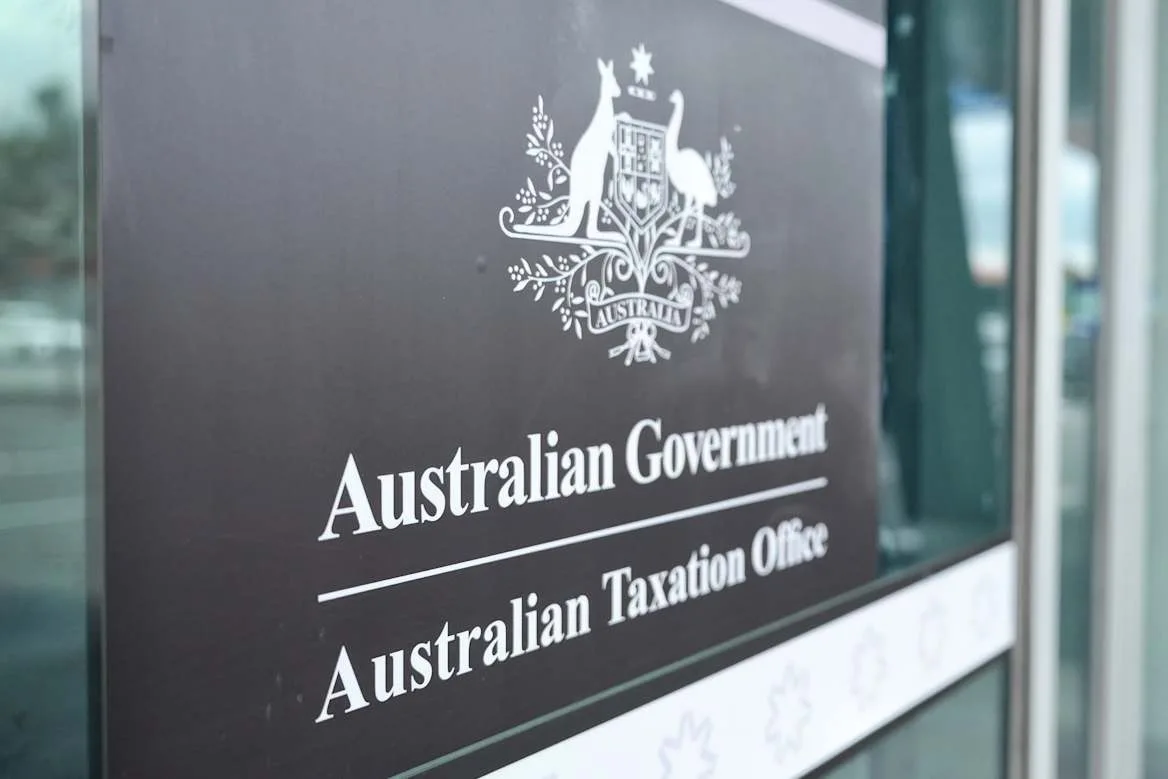
The Australian Taxation Office's decision to refuse credit card payments for tax bills from December 1 has sparked outrage among small business owners. Nahji Chu, owner of Lady Chu, a chain of inner Sydney restaurants, said small businesses are already struggling to absorb price rises and cost of living pressures.
Chu claimed that using a credit card to pay a tax bill can save a business up to $10,000. She warned that without this option, businesses may be forced to increase prices, which could lead to a 'brain drain' of entrepreneurs exiting Australia due to rising costs and difficulties in doing business.
The Australian Chamber of Commerce and Industry's CEO, Andrew McKellar, has called on the government to intervene in the matter. McKellar's comments come after the ATO stood firm on its decision despite a meeting with 20 different business groups on Wednesday.
Business lobby groups have also urged the ATO to reverse its credit card ban, citing the potential impact on entrepreneurs and smaller businesses that rely on cash flow flexibility. The ban is set to take effect on November 30, and businesses are scrambling to find alternative payment methods.
The government has supported the ATO's decision, with Andrew Charlton saying that the government backs the tax office's move to stop accepting credit card payments. However, some Labor members have expressed 'real concerns' about the decision.
Chu has criticized the government's stance, saying it is 'hypocrisy' to celebrate the removal of credit and debit card surcharges as a win for consumers while the ATO stands firm on its ban. She has also warned that the perceived lack of support from the government could lead to entrepreneurs exiting Australia.
The surcharge ban, which is estimated to save consumers around $1.6 billion annually, was introduced by the Reserve Bank as part of a sweeping overhaul of Australia's payment systems. The reforms also include a lower cap on 'interchange fees,' which merchants pay to a customer's bank to accept their card transaction.
Major banks have already wound back the generosity of credit card sign-on bonuses and rewards points earning rates due to lower interchange fees. Some businesses have stopped accepting credit cards as a payment method, including Macquarie Bank, which removed the option from its popular DEFT rent processing platform.
Key facts
- The ATO will stop accepting credit card payments for tax bills from December 1.
- Small business owners are criticizing the decision, citing cash flow concerns and increased costs.
- The ban is set to affect around 2.3% of tax payments, according to the ATO.
- Business lobby groups have urged the ATO to reverse its credit card ban.
Three perspectives
Neutral
The ATO's decision to stop accepting credit card payments has sparked a mixed reaction, with some criticizing the move and others supporting it. The government has backed the ATO's decision, but some Labor members have expressed concerns. The impact of the ban on small businesses and entrepreneurs remains to be seen.
Positive
The removal of credit and debit card surcharges is expected to save consumers around $1.6 billion annually. The reforms aim to overhaul Australia's payment systems and provide a more efficient and cost-effective way of making transactions.
Negative
The ATO's credit card ban has been criticized for its potential impact on small businesses and entrepreneurs, who rely on cash flow flexibility to operate. The ban may lead to increased costs and prices, which could have a negative effect on the economy.
Your week in news, every Wednesday
The biggest stories of the week for your edition, in your inbox every Wednesday morning, your time. Free, and you can unsubscribe at any time.