

BBC Blue Planet III producers use organic shots to prove animals are not AI
Producers of the returning series say they are leaning into less polished footage to assure viewers that no generative AI was used in any frame.
 Science Desk 2 min read
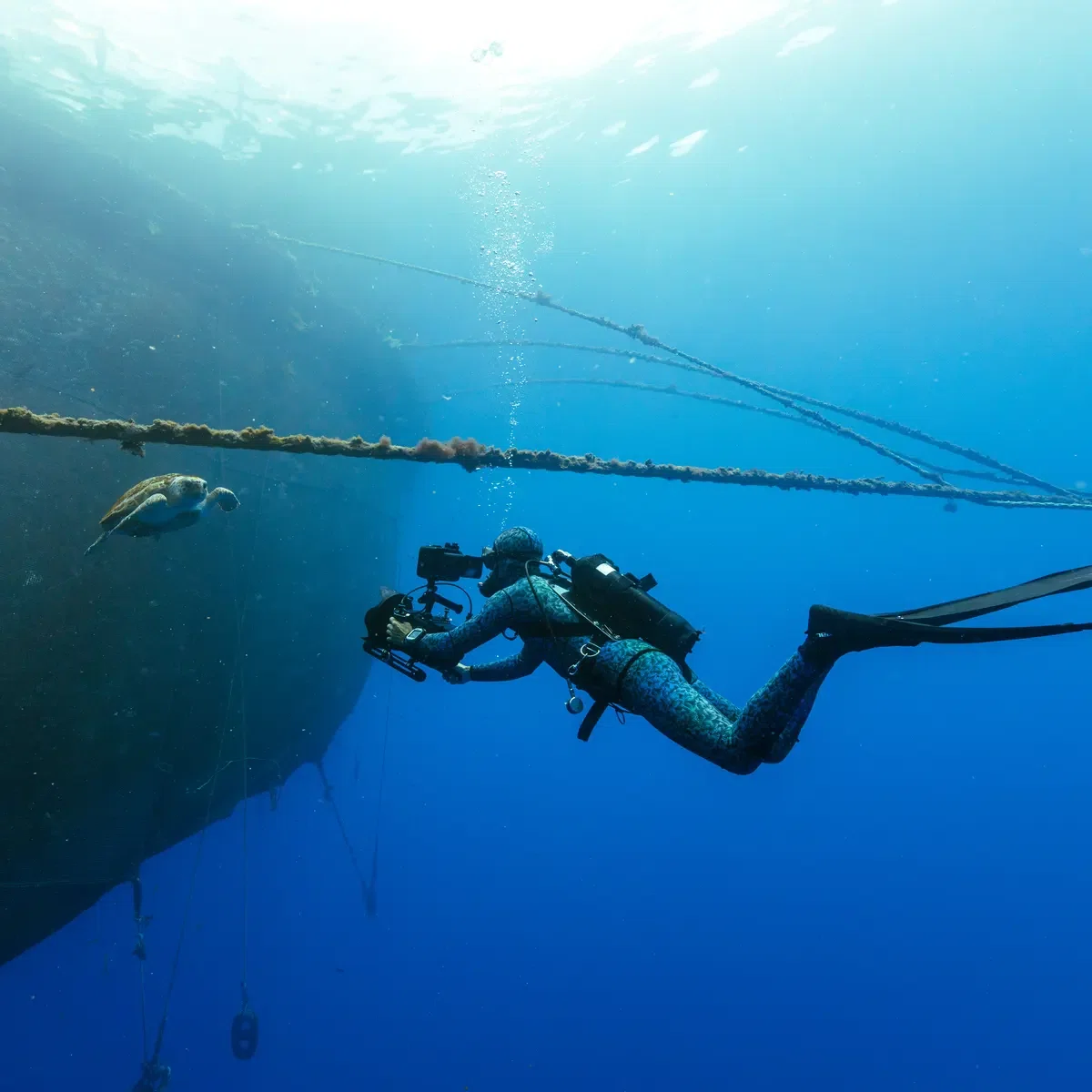
Producers of the BBC series Blue Planet III are using more organic and less polished shots to assure viewers that the animals shown are not AI-generated. Jack Bootle, the BBC’s specialist factual commissioning head, said that not a single frame of generative AI was used in the series and that it is all real photography.
The production team is leaning into authenticity by leaving in elements like plankton or murky water that might have been excluded in the past. Previously, crews might have framed out a boat or a buoy, or decided that water conditions were not good enough for a sequence.
Filming took place over four years across five oceans using new technology, including the world’s first underwater CCTV camera called the stonefish cam. Other innovations included a mini-dome camera to follow an octopus, a deep-sea selfie stick, and camera operators wearing leg-mounted scooters to create immersive TikTok-style footage.
The series features animal behaviours such as 200,000 crabs lining up in formation to feed and sea urchins using shells as sun hats. It also addresses the climate crisis and the issue of pollutants and forever chemicals.
Series producer Lara Bickerton said the unit continually innovated during the four years of filming. Bosiger said that 100-year-old David Attenborough was very much involved and made changes to scripts.
White noted that Blue Planet III made savings by using more local crews on location than in previous series.
Key facts
- No generative AI was used in any frame of the Blue Planet III series.
- The series used the world's first underwater CCTV camera, dubbed the stonefish cam.
- Filming for the series took place over four years across five oceans.
Three perspectives
Neutral
The BBC series returns with cutting-edge technology and footage of animal behaviour across five oceans.
Positive
Producers are leaning into authenticity by using more organic, less polished footage to show real animals.
Negative
The series addresses how the climate crisis is killing the sea where anemone clown fish live.
Your week in news, every Wednesday
The biggest stories of the week for your edition, in your inbox every Wednesday morning, your time. Free, and you can unsubscribe at any time.