

 Ireland
Antarctic intermediate water salinity increasing as sea ice declines
A shift in the saltiness and density of a deep water mass near Antarctica could influence global storm paths, precipitation, and sea levels.
 Climate Desk 2 min read
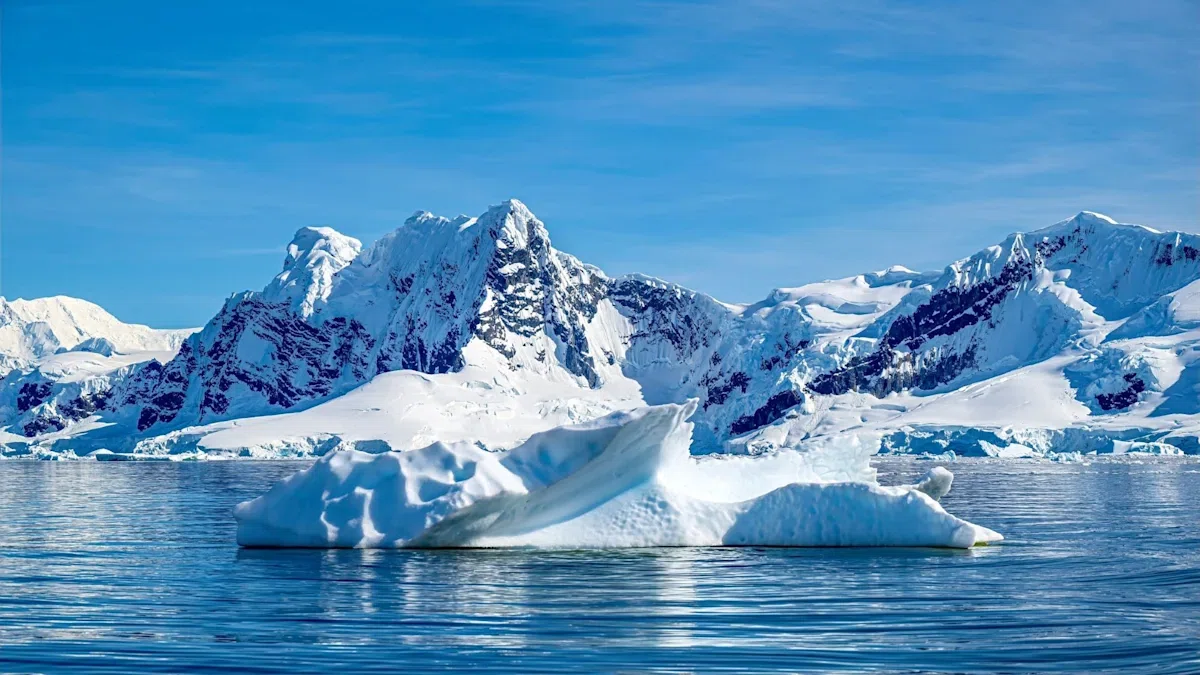
The salinity of the Antarctic Intermediate Water is increasing, making the subsurface water layer saltier and denser. This cold, oxygen-rich, relatively fresh water mass develops near Antarctica at depths of roughly 2,300 to 4,000 feet. The core salinity of this layer is increasing by approximately 0.00008 ounces of salt for every pound of water, or 0.005 grams per kilogram, each decade.
After Antarctic sea ice reached a record high in 2014, a sharp decline began in 2016, reducing the freshwater supply that arrives as sea ice melts each Southern Hemisphere summer. This freshwater helps keep the salinity of the layer low. A 2025 satellite analysis identified a substantial rise in the salinity of the Southern Ocean's surface waters since 2015.
Bishakhdatta Gayen, a professor and researcher affiliated with the University of Melbourne and the Centre for Atmospheric and Oceanic Sciences in Bengaluru, India, noted that a comparable transformation last occurred roughly 130,000 years ago.
The Antarctic Intermediate Water moves toward the tropics through the Indian, Pacific, and Atlantic oceans, transporting heat, carbon, oxygen, and nutrients. It also separates warmer surface waters from the cold depths. Changes to this circulation could influence sea levels, precipitation patterns, and storm paths in different regions.
Researchers analysed observations from the global Argo program, which uses nearly 4,000 robotic floats to record temperature and salinity within the top 1.2 miles of ocean water. The analysis used these measurements alongside atmospheric and satellite datasets. Studying these deep-water changes could improve preparations for a hotter planet and predictions of climate feedback loops.
Key facts
- The core salinity of the Antarctic Intermediate Water is increasing by about 0.005 grams per kilogram each decade.
- Antarctic sea ice saw a sharp decline starting in 2016 after reaching a record high in 2014.
- The water mass moves through the Atlantic, Indian, and Pacific oceans, transporting nutrients, heat, carbon, and oxygen.
Three perspectives
Neutral
The Antarctic Intermediate Water moves through the Indian, Pacific, and Atlantic oceans, transporting nutrients, oxygen, carbon, and heat.
Positive
Studying these deep-water changes could improve predictions of climate feedback loops and preparations for a hotter planet.
Negative
Changes to this circulation could influence storm paths, precipitation patterns, and sea levels in different regions.
Your week in news, every Wednesday
The biggest stories of the week for your edition, in your inbox every Wednesday morning, your time. Free, and you can unsubscribe at any time.