

 United States
Mediterranean climates show signs of tropicalization
Rising air and sea temperatures, shifting wind belts, and erratic rainfall patterns indicate a transition toward a tropical climate in the Mediterranean basin.
 Climate Desk 2 min read
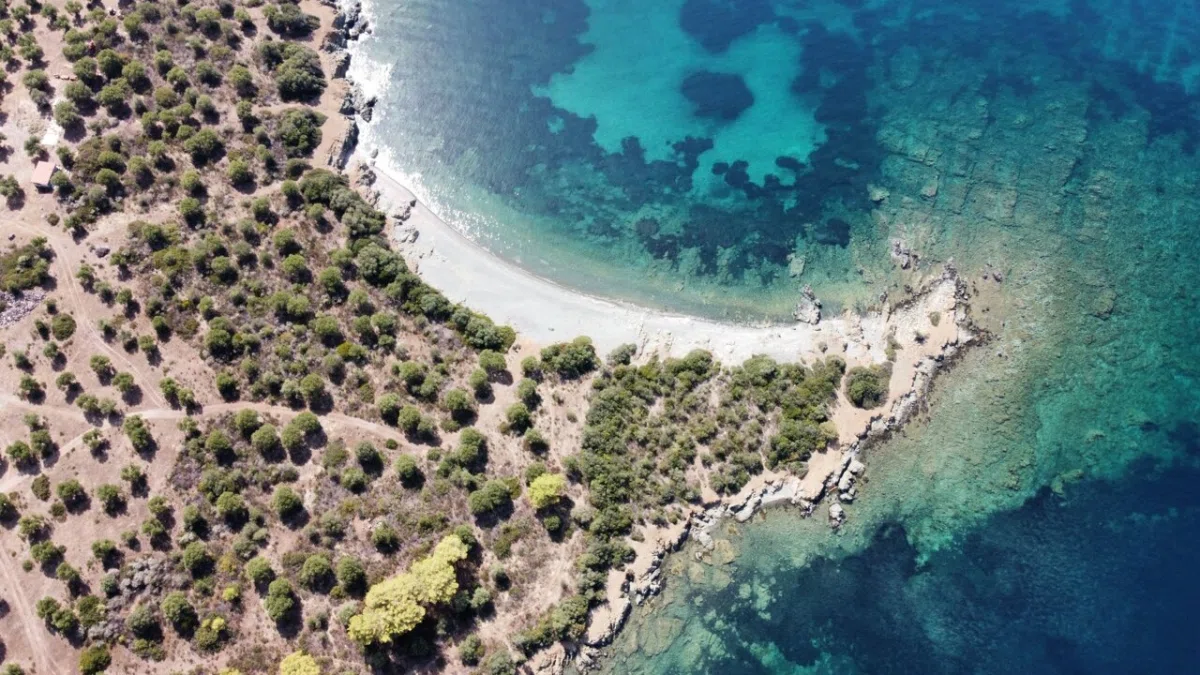
Climates across the Mediterranean basin have begun to show signs of tropicalization, a process of transitioning toward a tropical climate. This is evident through rising air and sea temperatures, shifting atmospheric patterns, and increasingly erratic rainfall.
A marked rise in air temperature, which is more pronounced than the global average, is making Mediterranean winters shorter and summers longer. This shift brings spring forward and delays the onset of autumn, moving transitional seasons later on the calendar.
Sea temperatures have also risen markedly down to a depth of around 100 meters. In recent summers, water temperatures south of Mallorca exceeded 30°C (86 degrees Fahrenheit) on some days, levels similar to or higher than those in the Caribbean and the Gulf of Mexico.
The expansion of the Hadley cell is causing major wind belts and pressure systems to move northward. If this trend becomes established, it will increase atmospheric stability in the region, leading to long dry spells punctuated by heavy downpours.
Rising sea temperatures may expand areas where hurricanes can form, as the minimum surface temperature required for such storms is around 26.5°C (79.7 degrees Fahrenheit). The Mediterranean has seen low-pressure systems with warm cores and distinct eyes, known as medicanes, which bring heavy rainfall and strong winds.
Forecasting intense Mediterranean weather has become more difficult due to the complexity of atmospheric conditions and the sharp rise in global temperatures since 2022. Forecasting services will need to update procedures and fine-tune models to account for excess energy from heat stored at the sea surface.
Key facts
- Mediterranean air and sea temperatures are rising, showing signs of tropicalization.
- Water temperatures south of Mallorca exceeded 30°C (86 degrees Fahrenheit) in recent summers.
- The expansion of the Hadley cell is moving tropical and subtropical high-pressure systems northward.
Three perspectives
Neutral
The Mediterranean basin is experiencing statistically significant trends in temperature and atmospheric patterns.
Positive
Incorporating local observations from the public through citizen science could supplement official data and improve risk perception.
Negative
The increasing complexity and erratic movement of weather systems make intense Mediterranean weather some of the most difficult to forecast in the world.
Your week in news, every Wednesday
The biggest stories of the week for your edition, in your inbox every Wednesday morning, your time. Free, and you can unsubscribe at any time.