

Glacial floods in Nepal warn of global risks as frozen regions warm rapidly
New reports ahead of COP31 show the Arctic is warming four times faster than the global average and Hindu Kush Himalaya warming could reach 2.2°C.
 Climate Desk 2 min read
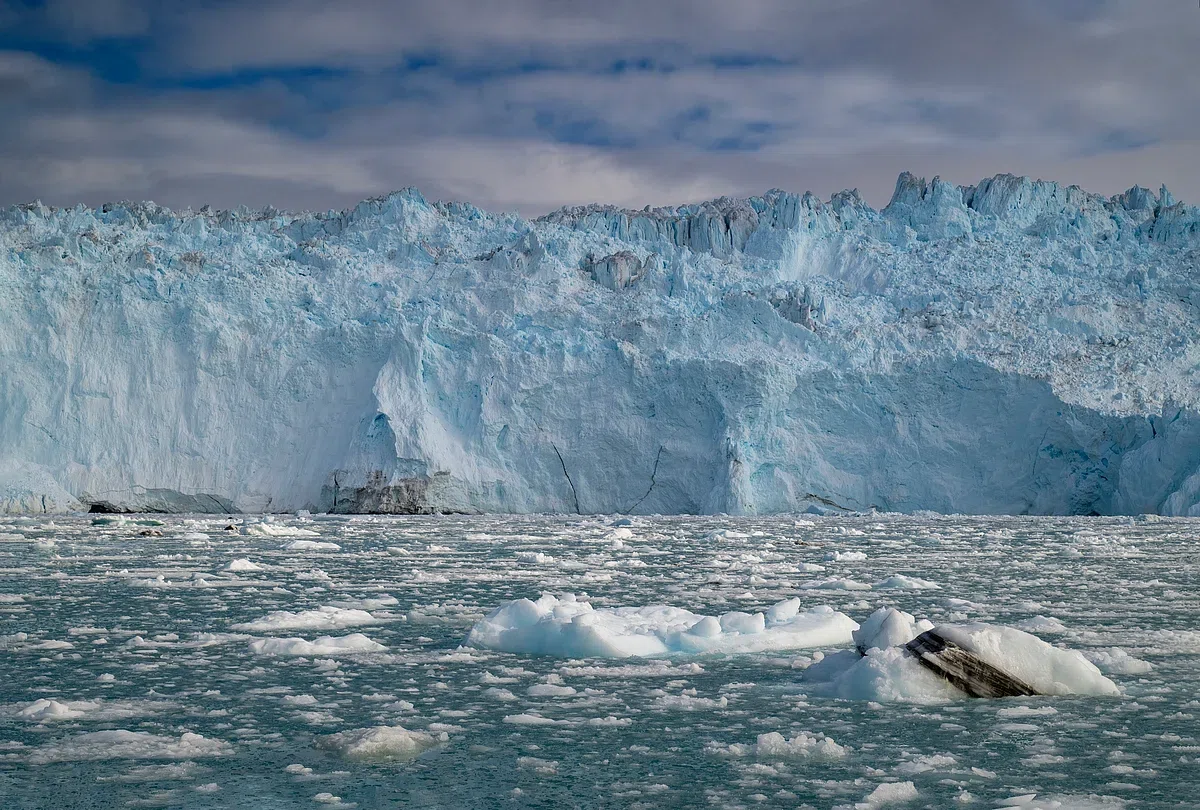
The devastating glacial floods witnessed in Nepal could be a warning for other glacier-dependent regions of the world as frozen landscapes warm faster than the global average. The Arctic has warmed up to four times faster than the global average over the past decade, while mountain regions are also experiencing above-average warming.
In the Hindu Kush Himalaya, a global temperature rise of 1.5°C could result in regional warming of between 1.8°C and 2.2°C. Two reports released on November 2, 2026, titled Overshoot and the Cryosphere: Averting Global Meltdown and State of the Cryosphere 2026: The Cost of Overshoot, warn that exceeding the 1.5°C threshold could trigger irreversible ice loss and release vast amounts of carbon stored in permafrost.
The reports were released by the International Cryosphere Climate Initiative (ICCI) and the UN Environment Programme (UNEP) about a week before COP31 begins in Antalya, Turkey. James Kirkham, chief scientist at the ICCI and coordinating lead author of the Overshoot report, described the findings as alarming and called for greater investment in adaptation measures.
A UN-led study on glacial lake outburst flood (GLOF) risks found that India recorded 6,119 deaths from such floods between 1835 and 2025, the highest toll among eight Hindu Kush Himalaya countries studied. While China recorded 199 GLOF events, India recorded 62, and Nepal recorded 58.
Dipesh Chapagain, a glacial scientist at the United Nations University Institute for Environment and Human Security (UNU-EHS), said GLOF events have increased rapidly in recent decades because of climate change. The study found a marked rise in the frequency of these floods after 1950, reaching approximately 34 events per decade, which is a fivefold increase compared to the period before 1950.
Key facts
- The Arctic has warmed up to four times faster than the global average over the past decade.
- India recorded 6,119 deaths from glacial lake outburst floods in the Hindu Kush Himalaya region between 1835 and 2025.
- In the Hindu Kush Himalaya, a 1.5°C global temperature rise could lead to regional warming of 1.8°C to 2.2°C.
Three perspectives
Neutral
Two new reports released ahead of COP31 indicate that the world's frozen regions are warming faster than the global average.
Positive
James Kirkham called for increased finance and efforts towards adaptation to manage the risks of warming.
Negative
Exceeding the 1.5°C warming threshold could cause irreversible impacts from melting ice sheets, glaciers, and the release of trapped carbon.
Your week in news, every Wednesday
The biggest stories of the week for your edition, in your inbox every Wednesday morning, your time. Free, and you can unsubscribe at any time.