 United States
Tenants and landlords say rent tribunal system is not working for anyone
Analysis shows 80% of tenants who challenged rent increases through tribunals saw their rent go up, while both sides report delays and inconsistency.
 Politics Desk 2 min read
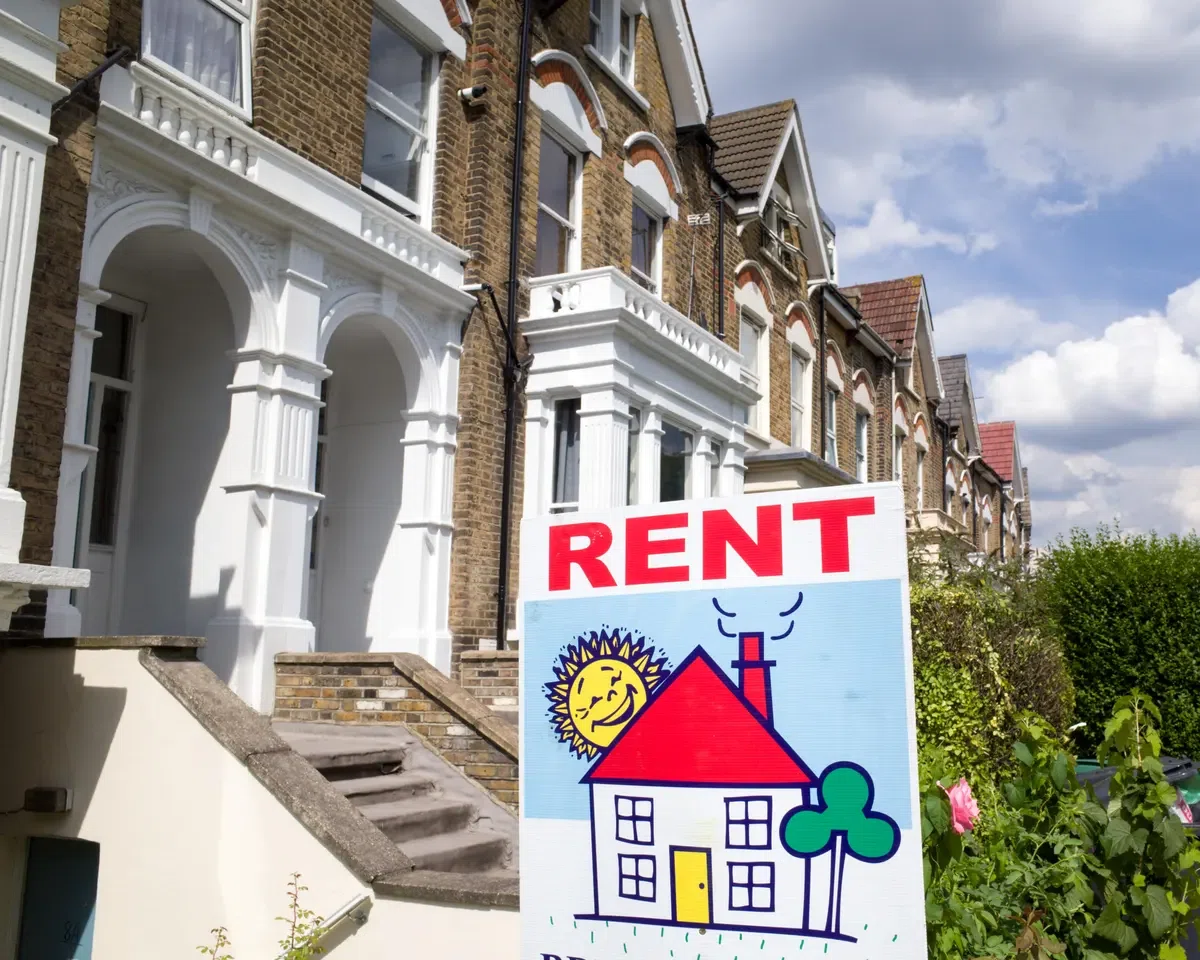
Tenants are challenging rent increases in record numbers since the Renters’ Rights Act came into effect in May, making the process easier and less risky for renters. However, tenants and landlords say the system is not working for anyone due to long delays for hearings and a lack of consistency in deciding fair market rent.
Analysis of data from May to October by the London Renters Union showed 80% of tenants who went through the tribunal process saw their rent go up by an average of £1,200 a year. In 36% of cases, the landlord’s proposed increase was approved in full, while in 42% of cases the rent increase was reduced. In 16% of cases the rent increase was cancelled, and in 6% rent was lowered.
Jae Vail from the London Renters Union said the system is not doing what Labour said it would do in its manifesto regarding helping people challenge unreasonable rent increases. Vail noted that in one case, a tribunal approved an 88% rent increase on a property in Dagenham, raising rent from £1,200 to £2,250 for a tenant on housing benefit. Renters in London have also been asked to attend hearings in the Midlands due to backlogs.
Chris Norris, chief policy officer at the National Residential Landlords Association, said the system was not working for anyone and expressed concerns that an overstretched workforce was making inaccurate decisions.
A spokesperson for the Ministry of Housing, Communities and Local Government said the Renters’ Rights Act empowers tenants to challenge above-market rent increases through the tribunal to stop landlords from using increases as a backdoor means of eviction. The spokesperson added that changes are working, citing cases where tribunals reduced rents by hundreds of pounds a month or ruled there should be no increase.
Key facts
- 80% of tenants who went through the tribunal process saw their rent increase by an average of £1,200 a year.
- The Renters’ Rights Act, which made challenging rent increases easier, came into effect in May.
- Only just over 30 full-time judges are working on the tribunal system across the country.
Three perspectives
Neutral
The Renters’ Rights Act has led to record numbers of rent challenges, but both tenants and landlords report issues with the tribunal process.
Positive
The Ministry of Housing, Communities and Local Government stated that the Renters’ Rights Act empowers tenants and has already resulted in tribunals reducing above-market rents.
Negative
Tenants and landlords face long delays for hearings and a lack of consistency in how fair market rent is decided.
Your week in news, every Wednesday
The biggest stories of the week for your edition, in your inbox every Wednesday morning, your time. Free, and you can unsubscribe at any time.