

Four minutes of daily exercise may help manage Type 2 diabetes
Short bursts of vigorous activity, known as exercise snacks, could help manage blood sugar spikes and improve glucose regulation in people with Type 2 diabetes.
 Health Desk 2 min read
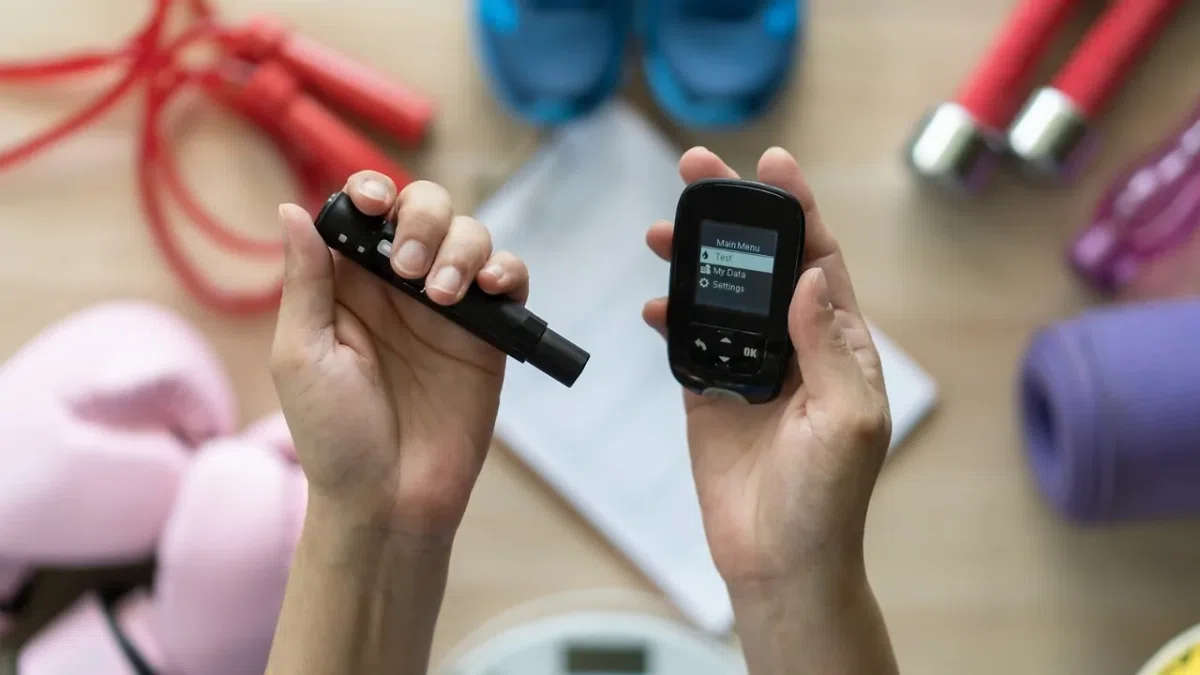
Short bursts of vigorous physical activity lasting one minute at a time could help people with Type 2 diabetes manage blood sugar levels. This approach, described as exercise snacks, involves breaking physical activity into small, manageable sessions throughout the day instead of setting aside 30 to 45 minutes for a single workout.
Researchers from McMaster University and the University of British Columbia studied 31 adults with well-controlled Type 2 diabetes who were not taking insulin. The participants were relatively inactive and completed four one-minute sessions of vigorous bodyweight exercises daily over two consecutive days. Researchers monitored blood sugar responses using continuous glucose monitoring devices.
Participants who completed the short exercise sessions experienced lower blood sugar spikes after breakfast and dinner compared with days when they did not exercise. Researchers also observed improvements in blood sugar fluctuations, suggesting these brief bouts of movement helped make glucose levels more stable. The overall average blood glucose difference between exercise and non-exercise conditions was not statistically significant.
The science behind the approach involves muscle contraction, which allows muscles to take up glucose from the bloodstream to use as energy. This process can help reduce the rise in blood sugar that typically follows a meal. In the study, participants were encouraged to space sessions at least an hour apart, with some performed 30 to 60 minutes after major meals.
The findings do not establish that four minutes of exercise a day can prevent Type 2 diabetes. The study involved only 31 participants and the intervention lasted two days. Whether these benefits continue over weeks or months requires further research. The 4-minute routine should not replace regular physical activity or medical care.
Key facts
- Four one-minute sessions of vigorous bodyweight exercises daily could help manage post-meal glucose spikes in people with Type 2 diabetes.
- The study was conducted by researchers from McMaster University and the University of British Columbia.
- The findings suggest better management of blood sugar spikes rather than a dramatic reduction in overall blood sugar levels.
Three perspectives
Neutral
The study found that while short bursts of exercise helped manage post-meal glucose spikes, the difference in overall average blood glucose was not statistically significant.
Positive
Exercise snacks could offer a practical first step for people who struggle to fit traditional workouts into a busy schedule.
Negative
The study was limited to 31 participants and a two-day intervention, meaning it is unknown if benefits continue over longer periods.
Your week in news, every Wednesday
The biggest stories of the week for your edition, in your inbox every Wednesday morning, your time. Free, and you can unsubscribe at any time.