

 South Africa
Foreign nationals report police extortion in South Africa
Migrants in Rosettenville and Knysna say officers demand bribes under threat of arrest and deportation.
 Crime & Justice Desk 2 min read
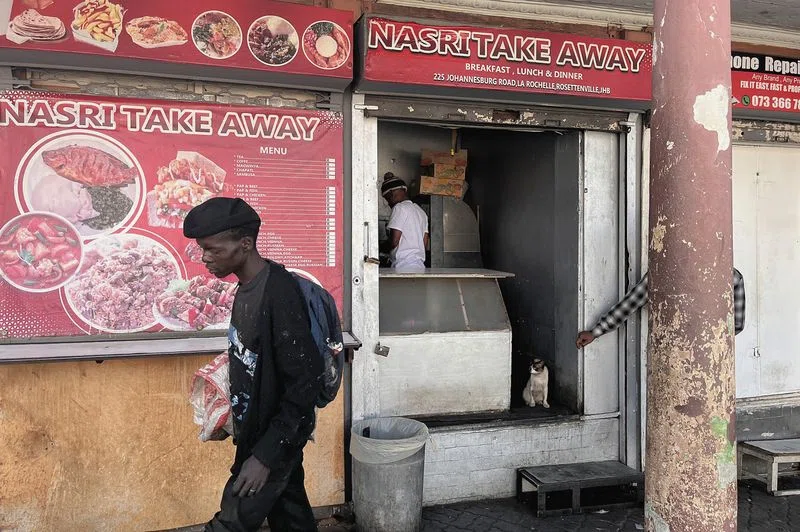
Foreign nationals say they are regularly extorted by police officers where they live and work. Both groups reported that the extent to which they are targeted by police has increased substantially in 2026.
In Rosettenville, eight immigrant hairdressers were allegedly arrested and threatened with deportation by officers at Booysens police station on 20 October. The group was taken to an office in the back of the station where police demanded money to avoid jail. After a negotiation, the barbers paid R1,000 each and the hairdressers paid R1,500 each, totaling about R10,000 in cash before they were released.
In Knysna, Western Cape, foreign workers in low-paying jobs say police officers demand payment on their transport routes to and from work under threat of arrest and deportation. A Zimbabwean receptionist named Marguerite said she routinely carries petty cash to pay bribes because she cannot walk for 20 minutes without someone asking for documents. A gardener named Errol said officers arrest migrants who cannot produce identification and then demand money for their release after driving them a short distance.
Civil society organisations such as Corruption Watch and Lawyers for Human Rights have raised alarms over police and Home Affairs officials abusing their power to solicit bribes from migrants since at least 2015.
Key facts
- Eight immigrant hairdressers paid approximately R10,000 in bribes to be released from Booysens police station.
- Foreign workers in Knysna report police demand money on transport routes under threat of arrest.
- Lawyers for Human Rights reported that all 41 people interviewed for a 2023 report attested to the pervasive solicitation of bribes.
Perspectives
Neutral
Foreign nationals in various parts of South Africa report being targeted by police for bribes.
Negative
Police officers are allegedly using threats of arrest and deportation to extort money from migrants.
Your week in news, every Wednesday
The biggest stories of the week for your edition, in your inbox every Wednesday morning, your time. Free, and you can unsubscribe at any time.