

Climate action creates economic divide between winners and losers
A new study shows countries with the most to gain from decarbonization hold the least economic influence.
 Climate Desk 2 min read
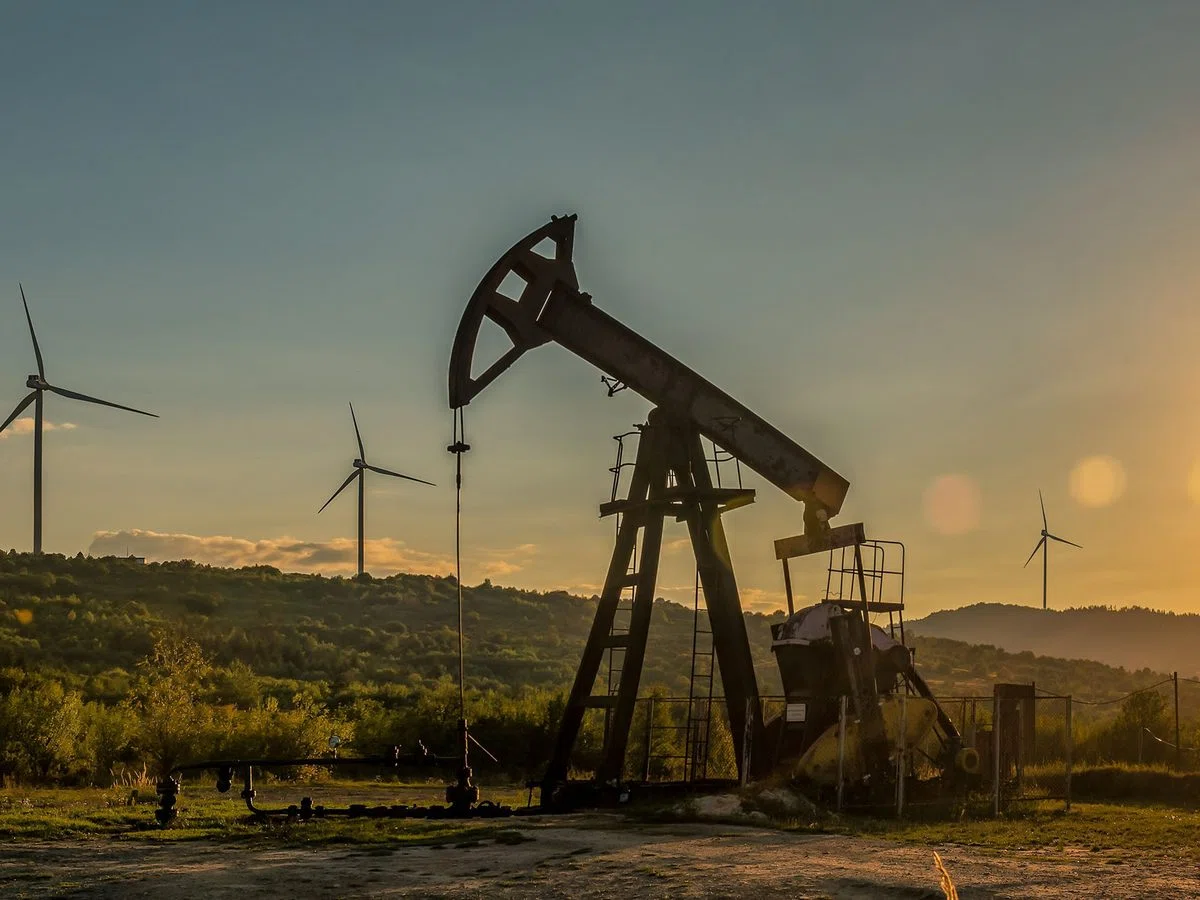
A new study mapping the economic impact of climate action shows a mismatch between countries that stand to gain from decarbonization and those with the economic power to drive it. The 19 countries most exposed to lost coal, oil, and gas revenue produce 6% of the world's economic output. In contrast, the countries with the most to gain from climate action hold even less economic weight.
Guanna Pan of the Potsdam Institute for Climate Impact Research led the analysis, which valued four ways climate policy changes a country's wealth by 2100. These include reduced demand for fossil fuels, avoided damage from heat, storms, and failed harvests, increased economic value from sun and wind, and value from land that absorbs carbon.
Under scenarios with stringent emission cuts, Iran, Venezuela, Canada, and Norway face the largest hits to fossil fuel revenue. Somalia has the largest solar and wind potential relative to its economy. The Democratic Republic of the Congo avoids the most damage, worth 3.3% of its cumulative output by 2100.
The researchers grouped 169 countries into five clusters. Thirteen countries, mostly in Africa, stand out for renewable potential, while 17 stand out for carbon-storing land. Together, these three groups of likely winners hold 13% of world output and 35% of the world's people.
The United States, the European Union, and China belong to a group of 69 moderate-impact economies that hold 81% of world output. While their gains from climate policy are large in dollars due to avoided damage, these gains are small as a share of their total economies.
Guanna Pan said that countries with the strongest economic incentives for climate action are not necessarily those with the greatest economic influence. For fossil-fuel-dependent countries, international cooperation through financial support, technology sharing, and package deals could soften losses.
Key facts
- The 19 countries most exposed to lost fossil fuel revenue produce 6% of global economic output.
- Somalia has the largest solar and wind potential relative to its economy.
- The Democratic Republic of the Congo avoids damage worth 3.3% of its cumulative output by 2100.
Three perspectives
Neutral
The study maps how different countries could gain or lose from decarbonization by the end of this century based on climate policy ambition.
Positive
Climate policy can revalue the capital stock of economies in a sustainable way to safeguard long-term prosperity.
Negative
Countries with the most to gain from climate action lack the economic power to push for it.
Your week in news, every Wednesday
The biggest stories of the week for your edition, in your inbox every Wednesday morning, your time. Free, and you can unsubscribe at any time.