

 Ireland
NASA seeks private help to rescue Hubble Space Telescope from atmospheric reentry
The agency has requested commercial proposals to reboost the observatory to a higher altitude, upgrade its capabilities, or perform a controlled disposal before 2032.
 Space Desk 2 min read
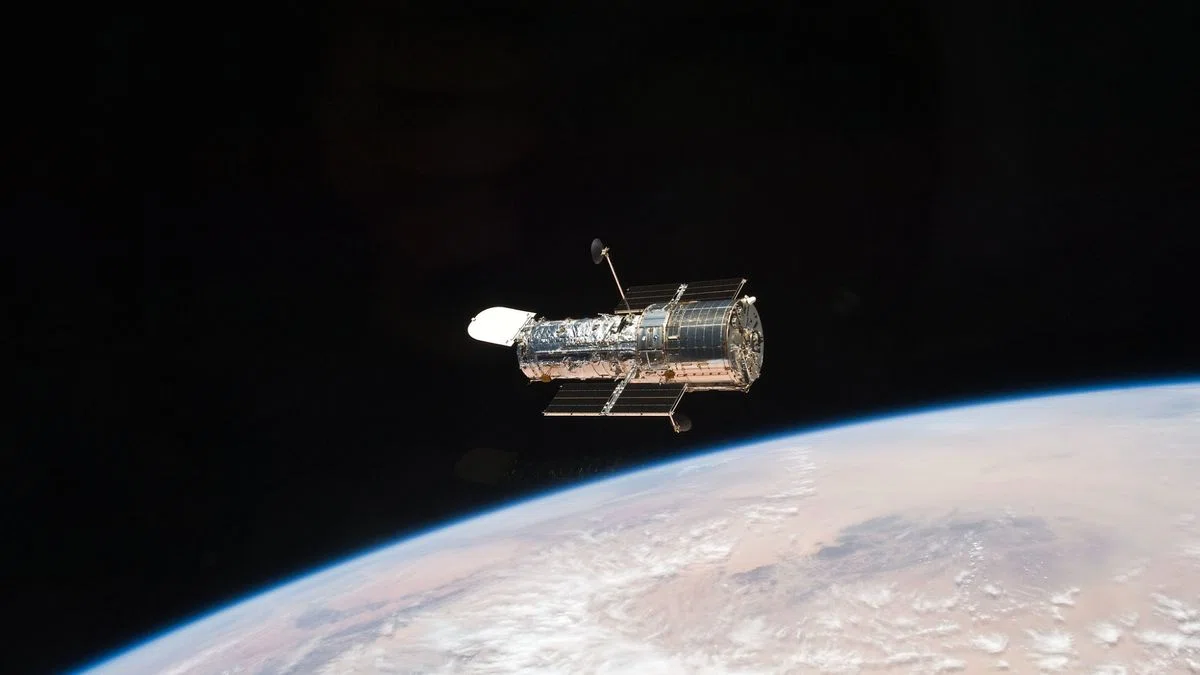
NASA has issued a request for information to private companies to find ways to rescue the Hubble Space Telescope from atmospheric reentry. The agency is seeking commercial interest in potentially boosting Hubble to an altitude of at least 600 kilometres, servicing the telescope to enhance its capabilities, or performing a safe, controlled re-entry or orbital disposal.
Hubble's orbit was last raised in 2002 during a visit by the Space Shuttle Columbia. NASA estimates there is a 10% probability of atmospheric reentry by September 2032, a figure that rises to 50% by December 2033.
NASA Administrator Jared Isaacman said the agency should look at every reasonable opportunity to keep Hubble delivering science for as long as possible. He stated that if there are innovative and cost-effective ways to extend the life of an asset already on orbit, the agency owes it to the scientific community and the American taxpayer to explore them. Isaacman expects companies to propose robotic solutions that do not require human participation, as a crewed mission is now unlikely because SpaceX plans to end Crew Dragon flights by 2030.
The agency has not yet allocated funding for such a mission, making the request a test of whether the spacecraft-servicing market is ready. The contractor would be responsible for providing the launch vehicle, servicing spacecraft, flight operations, and a crew if applicable. Responses to the request are being accepted until 3 p.m. EST on Monday, November 30.
Raising the telescope to 600 kilometres would likely keep it in orbit for at least another 25 years. Hubble presents a more difficult task than the smaller Swift telescope because it weighs approximately 11 metric tons. Contractors may benefit from a soft capture mechanism installed by astronauts during the final shuttle visit in 2009, which makes docking a servicing spacecraft easier.
Key facts
- NASA is seeking commercial proposals to reboost, service, or deorbit the Hubble Space Telescope.
- A mission to raise Hubble to at least 600 kilometres would likely need to take place by 2032.
- The telescope has descended from an altitude of 583 kilometres to approximately 470 kilometres since 2002.
- Responses to the request for information are due by 3 p.m. EST on November 30.
Three perspectives
Neutral
NASA is exploring commercial options to manage the Hubble Space Telescope's orbit or disposal as it loses altitude.
Positive
Raising the telescope to a higher altitude could extend its science lifetime for at least another 25 years.
Negative
The mission would likely be expensive because Hubble weighs 11 metric tons and requires more fuel to raise.
Your week in news, every Wednesday
The biggest stories of the week for your edition, in your inbox every Wednesday morning, your time. Free, and you can unsubscribe at any time.