Albania
EU Invests in Albania's Waste Reduction
Albania aims to reduce plastic waste with EU and German support, introducing reusable alternatives in hotels and composting olive waste.
 Global Newsflix 2 min read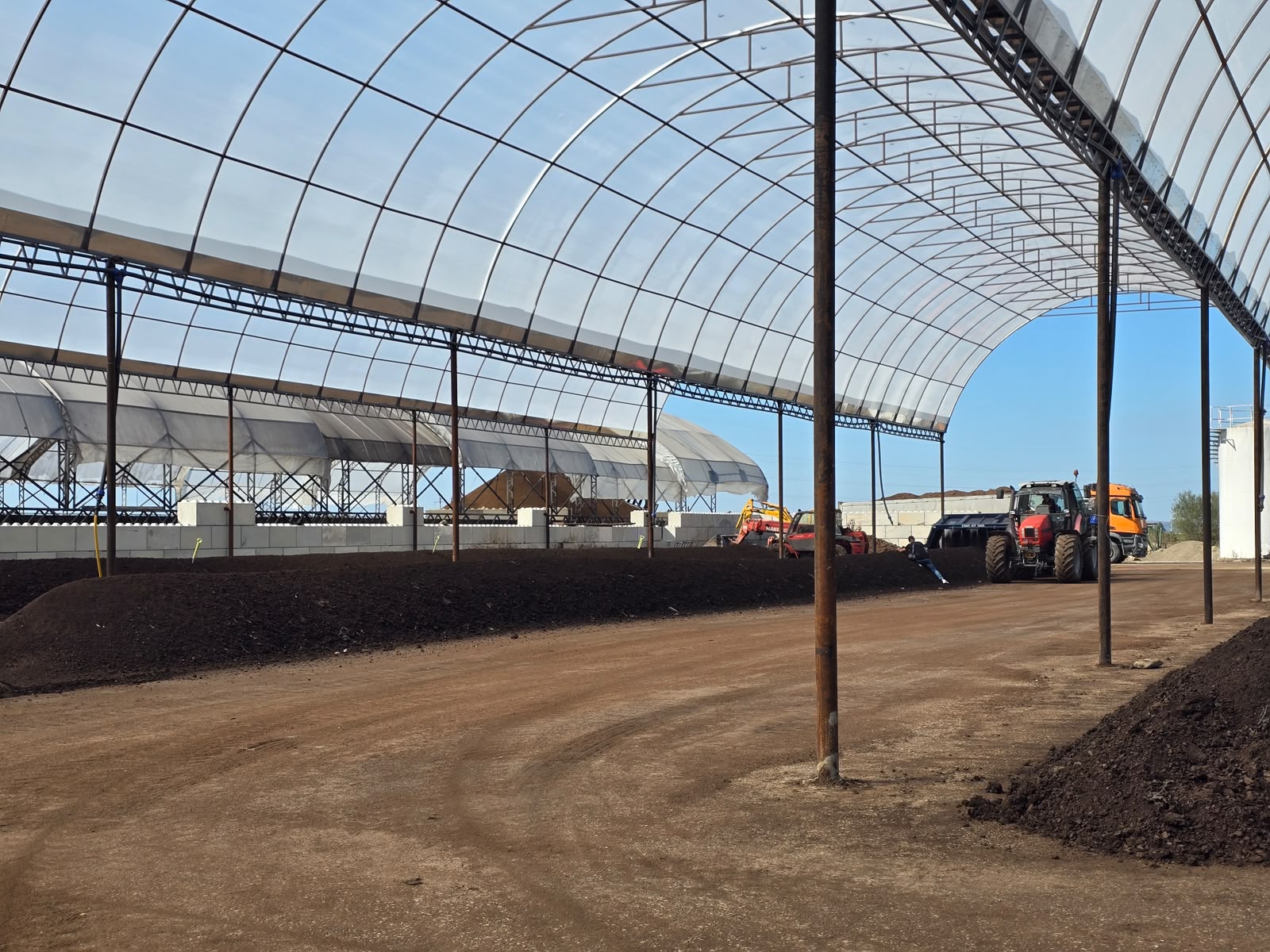
The European Union and Germany are investing in Albania's waste reduction efforts, focusing on reducing plastic waste and promoting reusable alternatives.
In the city of Durrës, hotels are replacing single-use plastic products with reusable ones, such as textile products, bamboo straws, and wooden plates, aiming to reduce plastic waste by around 1.48 tons per year.
Endri Çela, a project coordinator in a hotel structure, said that in the first six months of the year, they have already reduced plastic waste by one ton, replacing plastic products with alternatives that minimize environmental impact.
Another initiative is being implemented in Lushnjë, where olive waste is being processed through a controlled composting process, turning it into a marketable product that can be used again in agriculture.
Endi Ylli, an entrepreneur, said that investments in processing have made it possible to turn this waste into a valuable product, creating value for olive oil factories and the environment.
The EU and Germany are supporting these initiatives through the GIZ, as part of projects related to the circular economy, aiming to reduce waste and promote sustainable practices.
Ervin Pacara, a project manager for environment and climate at the EU Delegation in Albania, said that the EU has supported Albania with technical assistance, grants for businesses, and investments in infrastructure, and will continue to provide financial opportunities for integration.
Key facts
- Albania aims to reduce plastic waste by 1.48 tons per year in the hotel sector.
- Reusable alternatives are being introduced in hotels, such as textile products and bamboo straws.
- Olive waste is being composted and turned into a marketable product in Lushnjë.
- The EU and Germany are supporting these initiatives through the GIZ.
Three perspectives
Neutral
The initiatives aim to reduce plastic waste and promote sustainable practices in Albania, with the support of the EU and Germany. The projects are part of a larger effort to address environmental challenges in the country. Further developments will depend on the success of these initiatives.
Positive
The investment in waste reduction efforts is a significant step towards a more sustainable future for Albania, with the potential to create new economic opportunities and improve the environment. The introduction of reusable alternatives and composting processes can have a positive impact on the country's ecosystem.
Negative
The amount of plastic waste in Albania remains a significant challenge, and the initiatives may not be enough to address the issue. The composting process may also have limitations and require further investment to be effective. The success of these projects will depend on the continued support of the EU and Germany.
Your week in news, every Wednesday
The biggest stories of the week for your edition, in your inbox every Wednesday morning, your time. Free, and you can unsubscribe at any time.